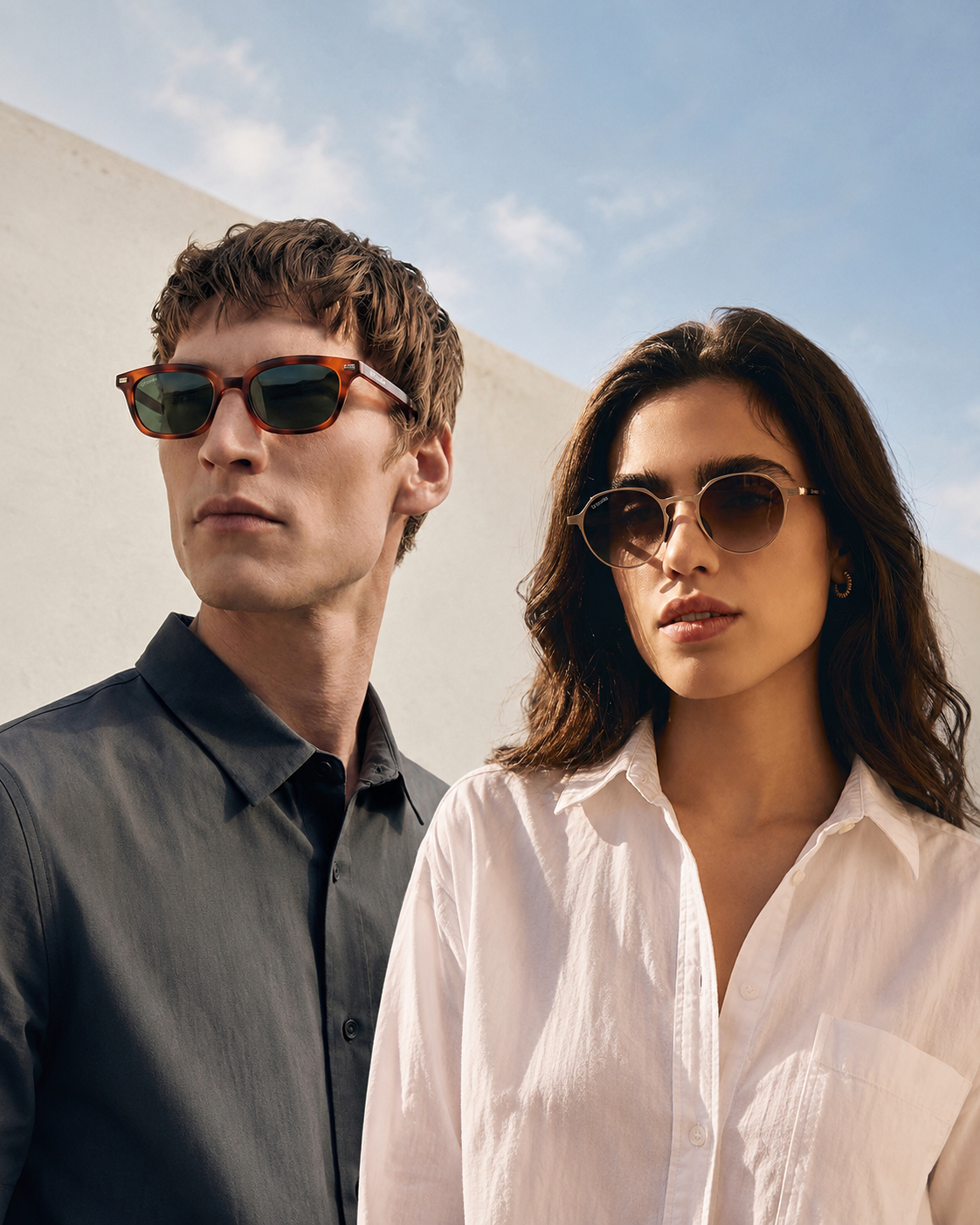
You may also like
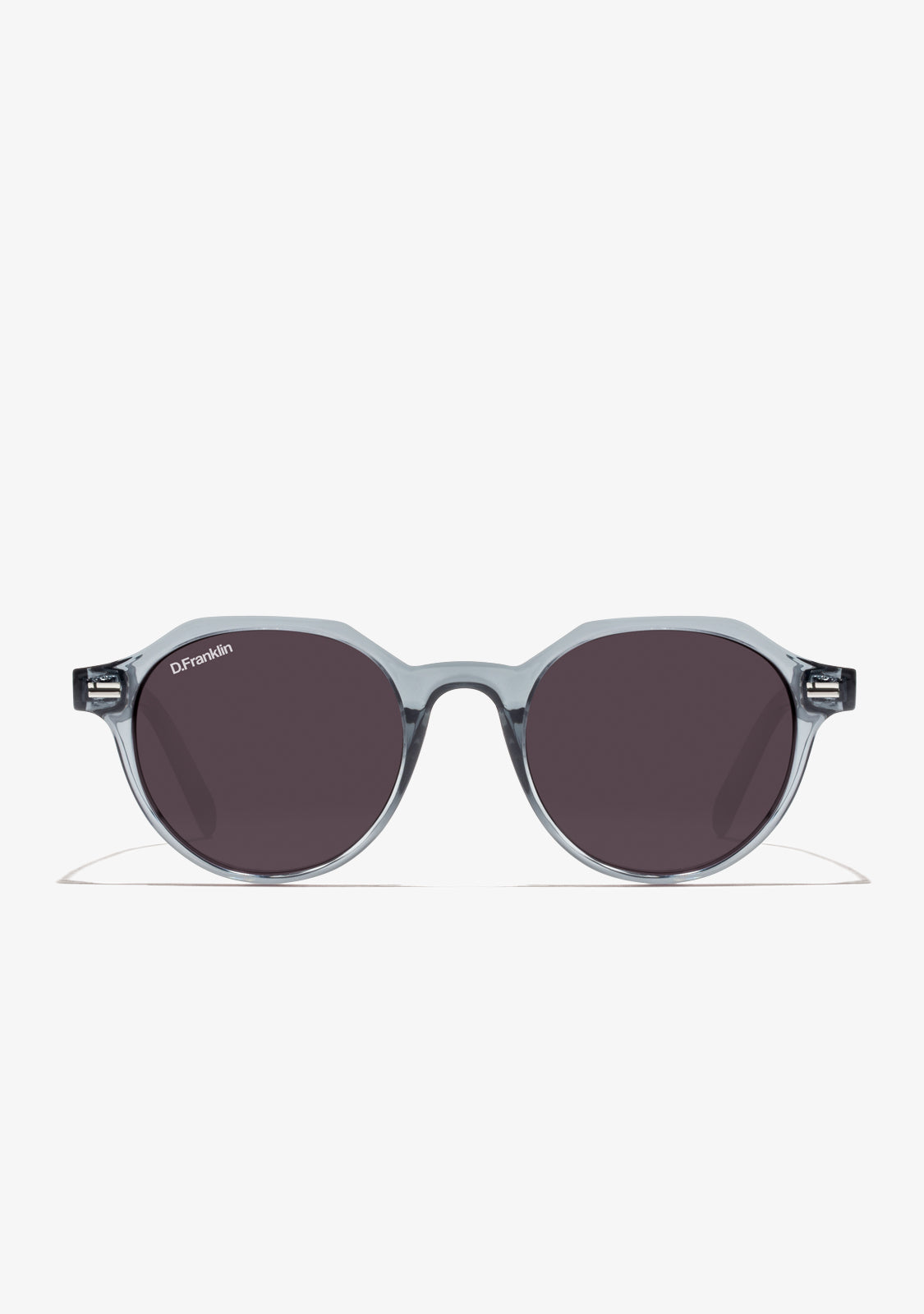
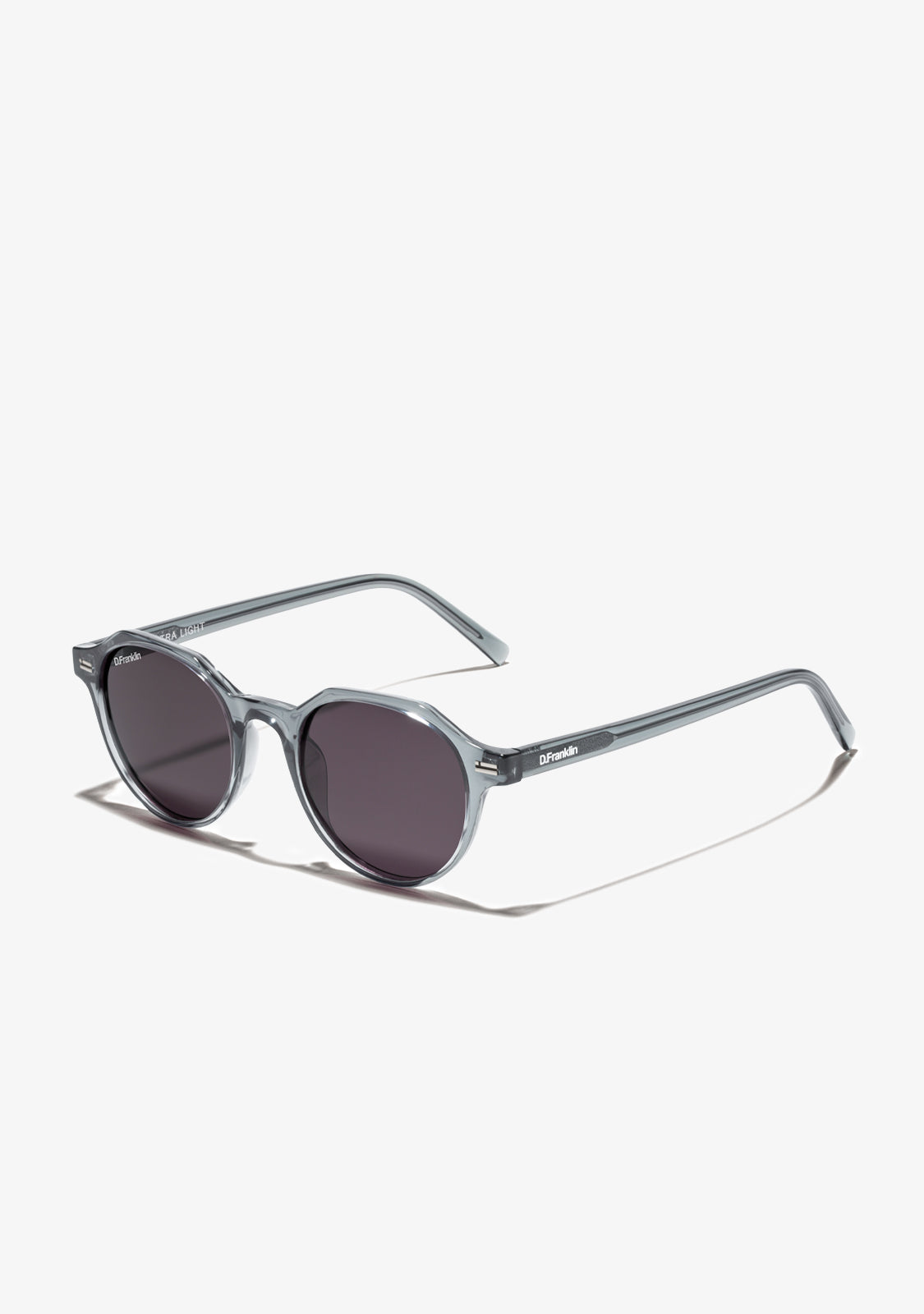

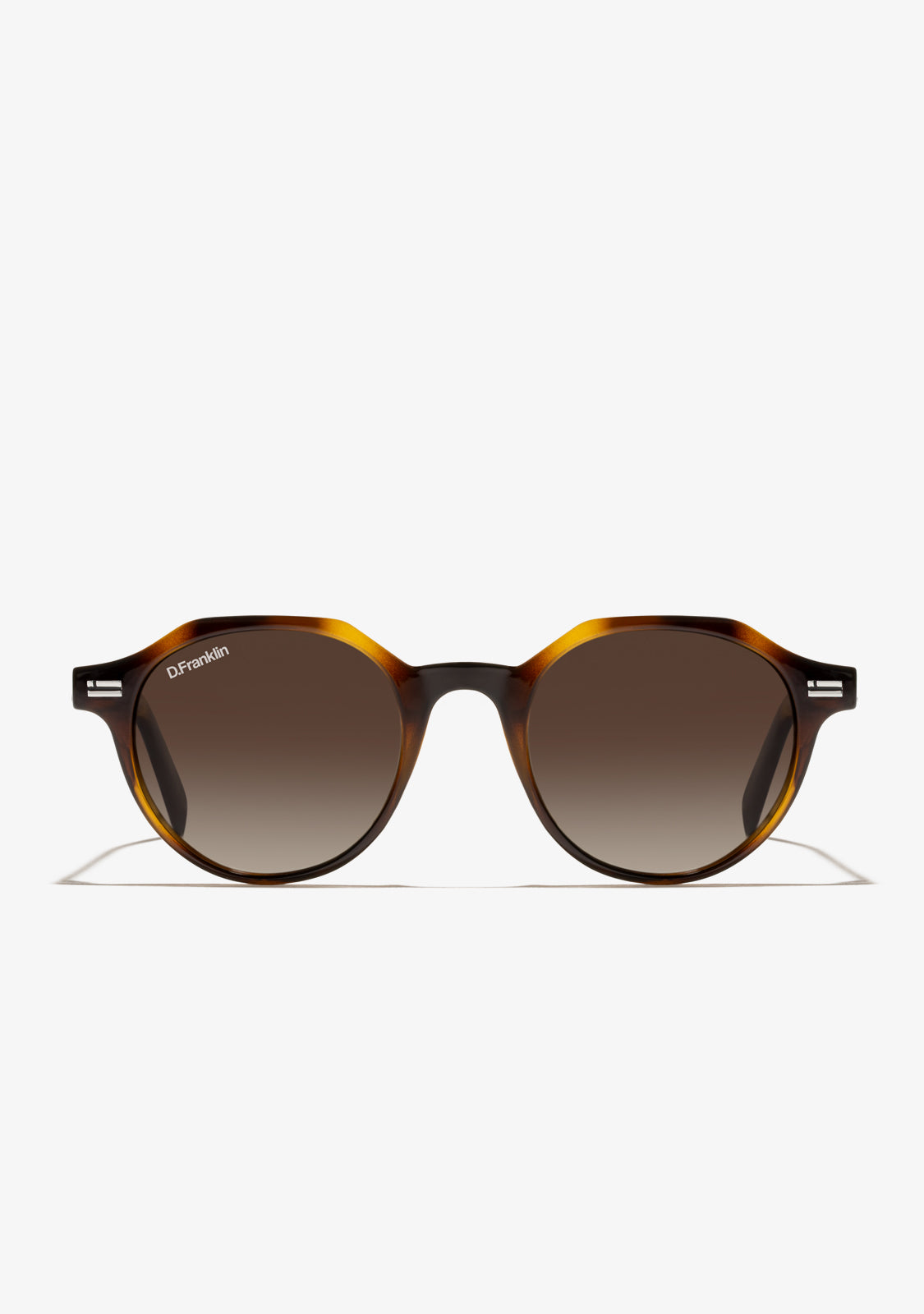
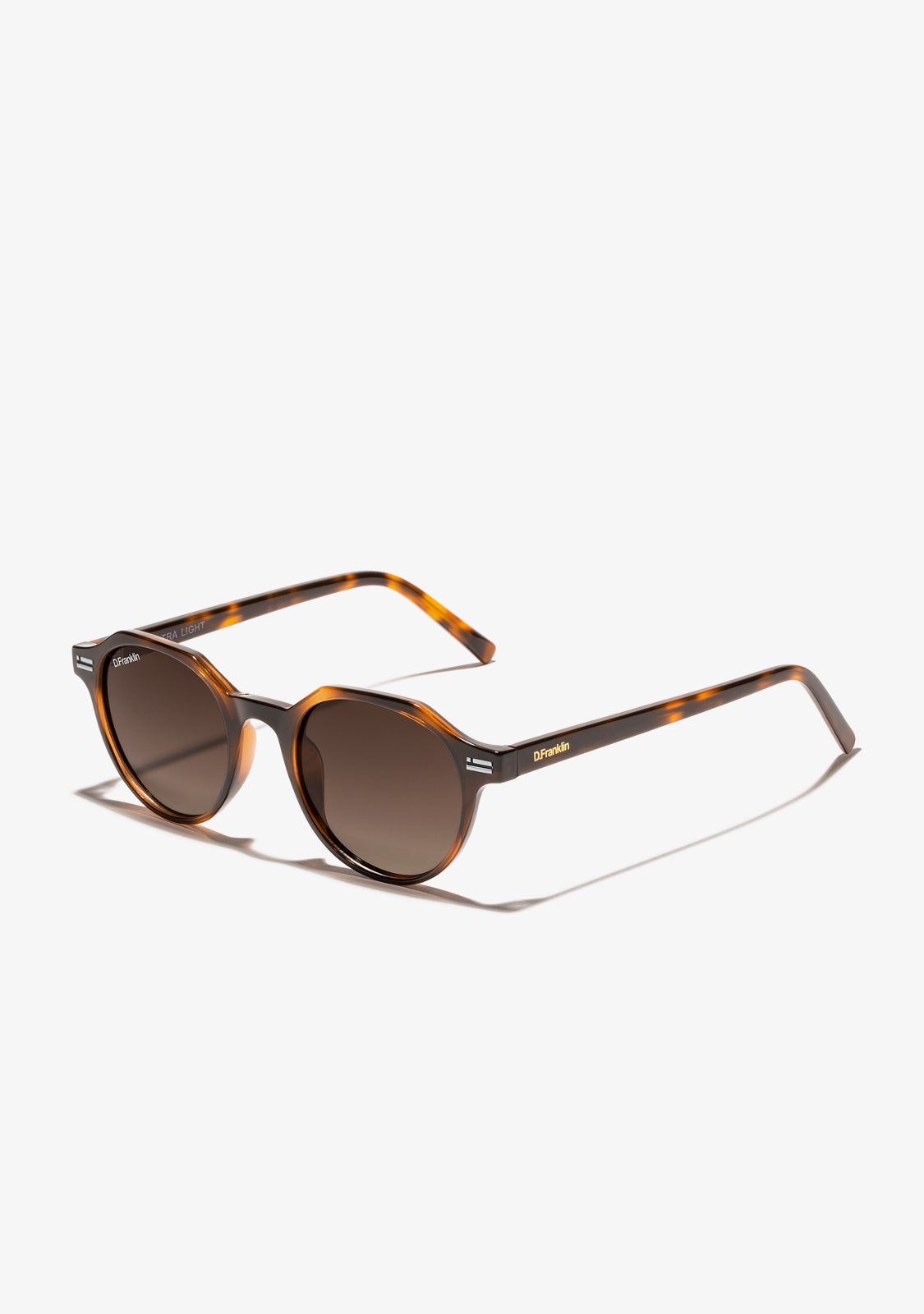

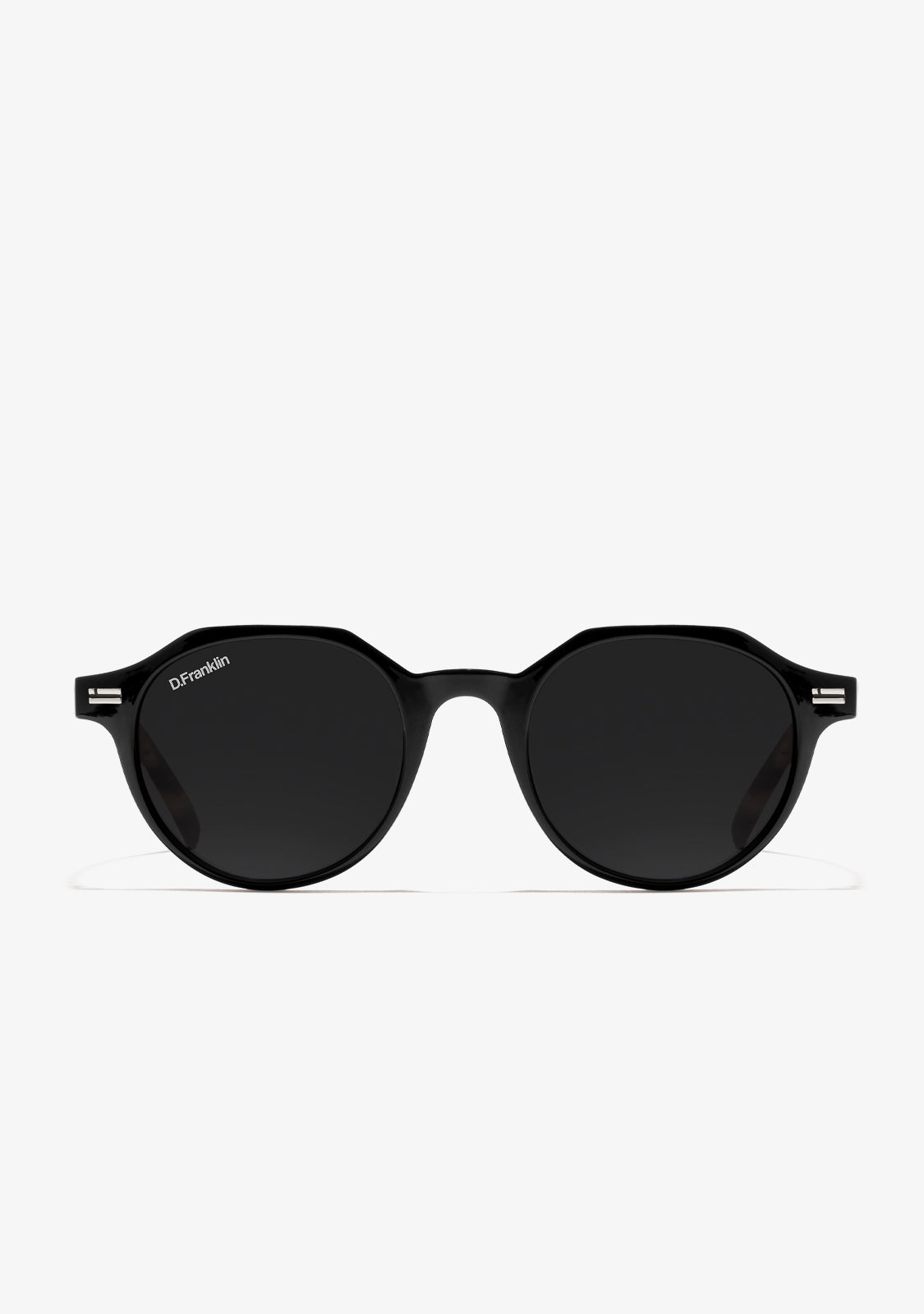


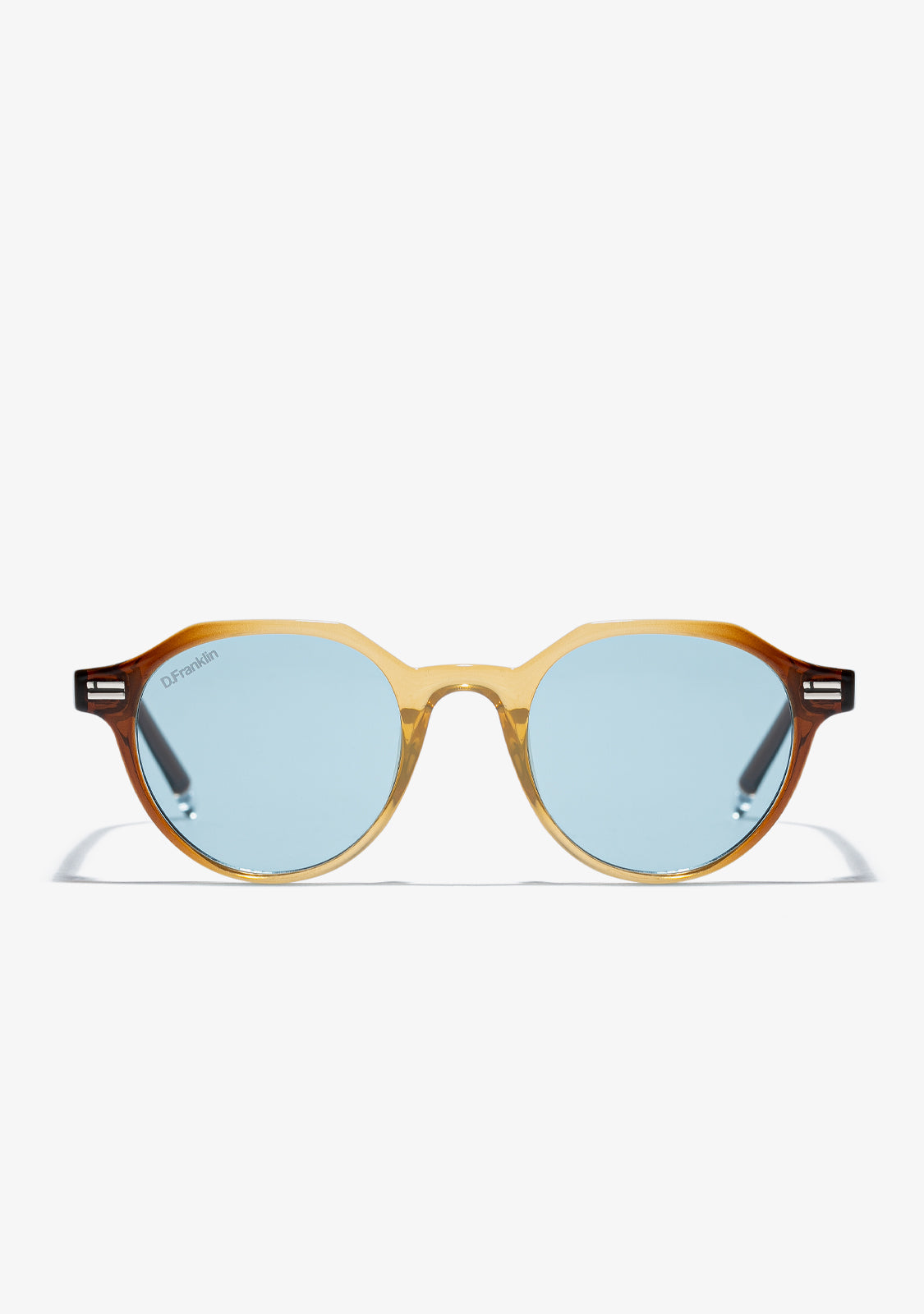
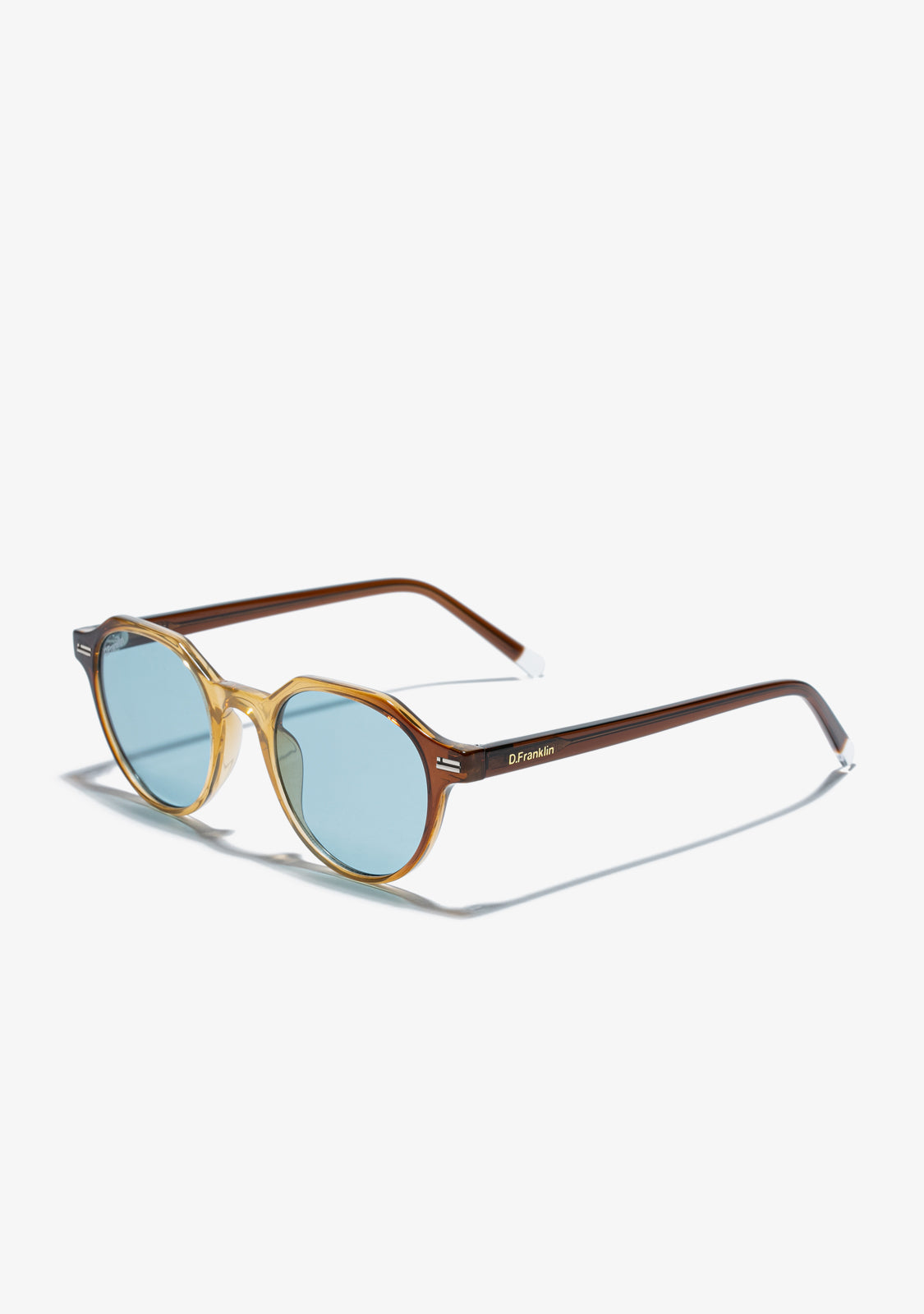

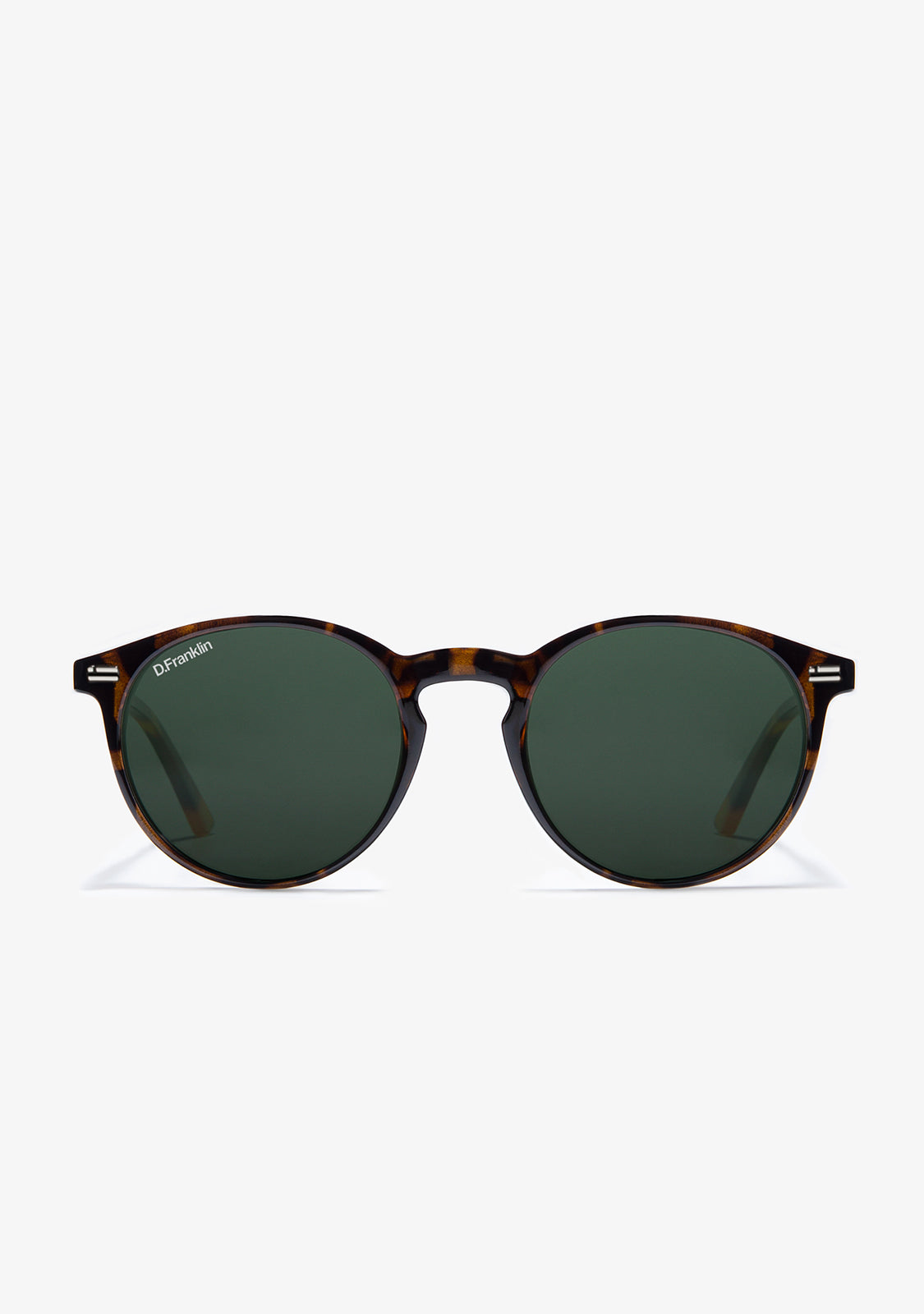
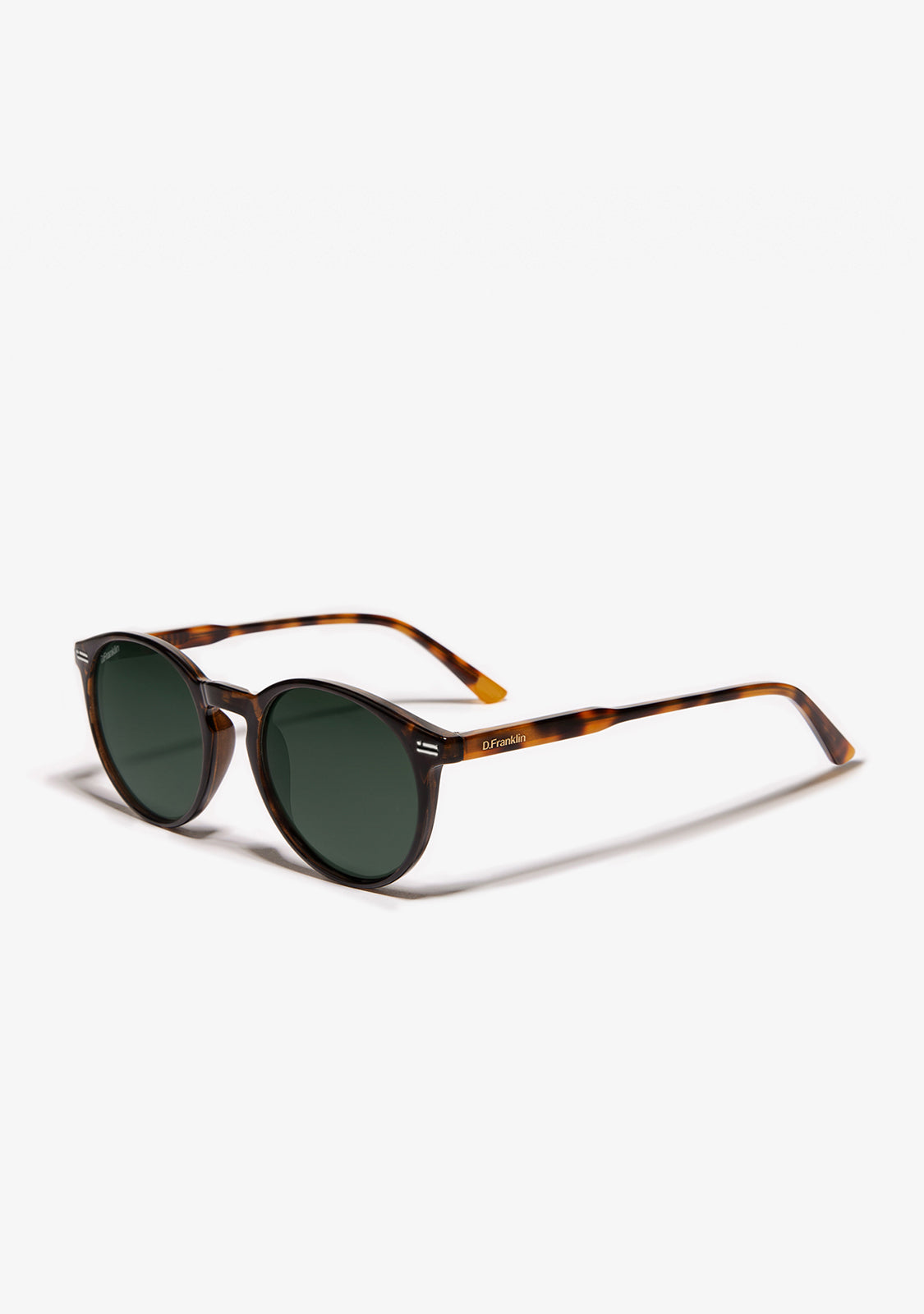

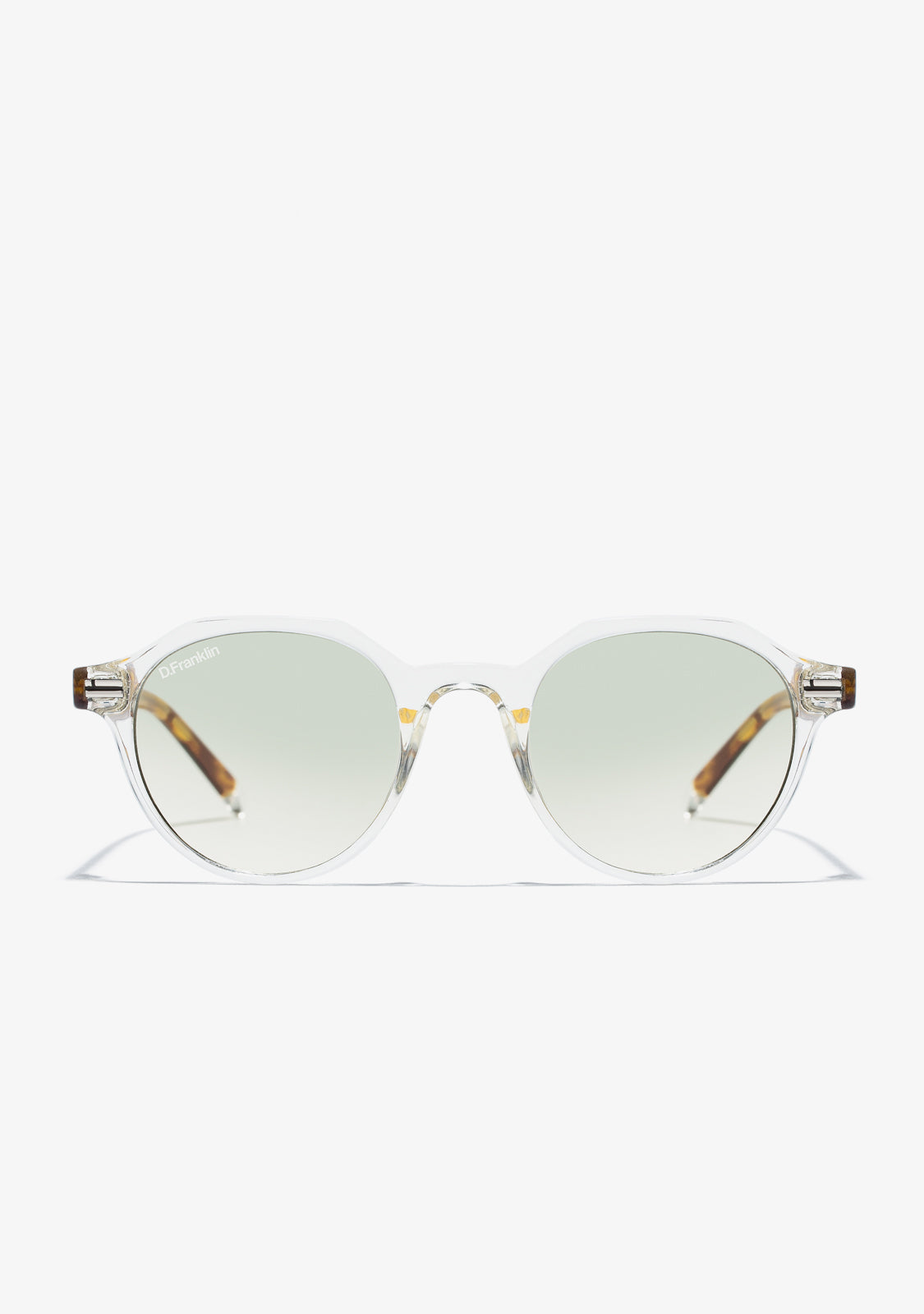
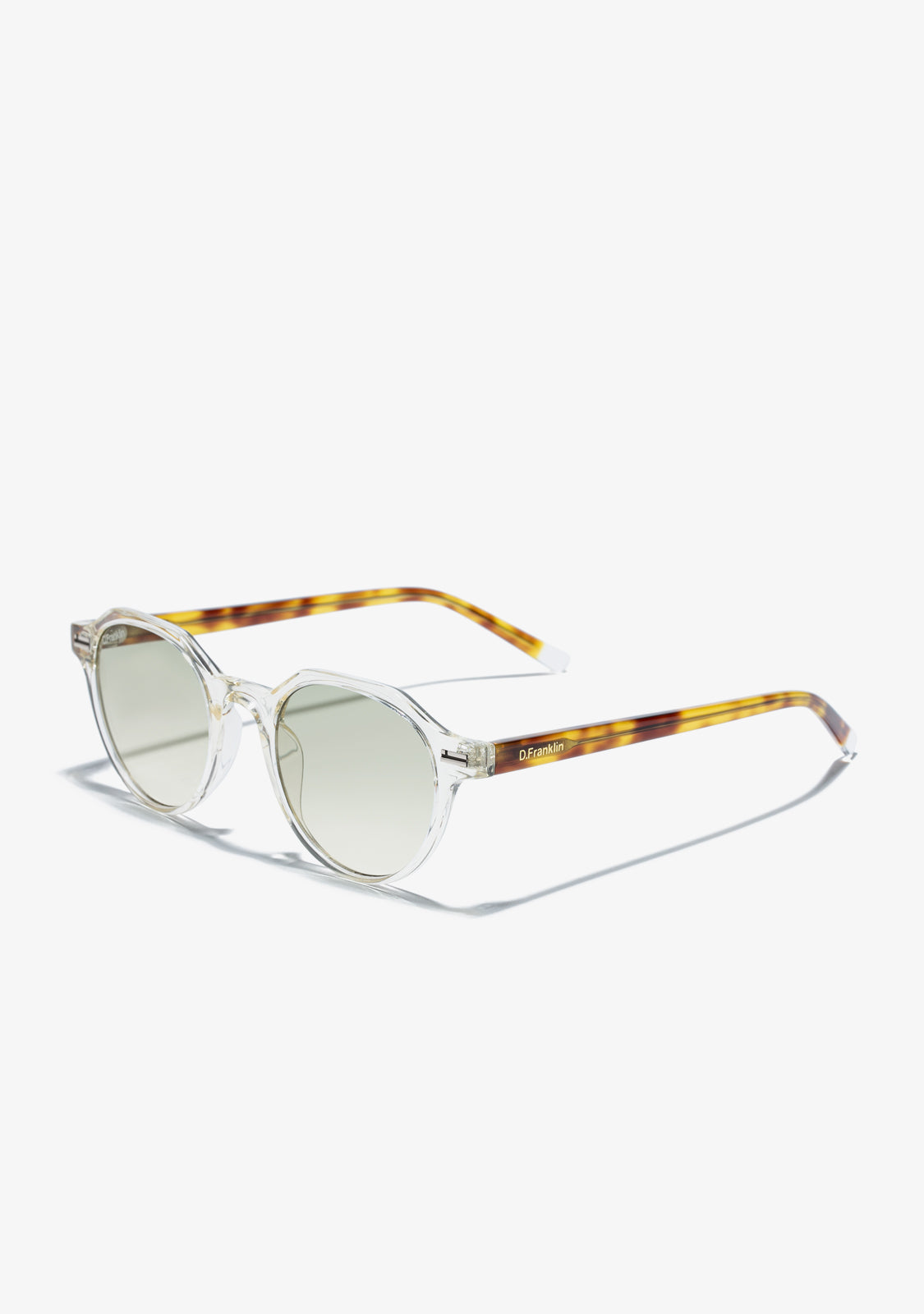





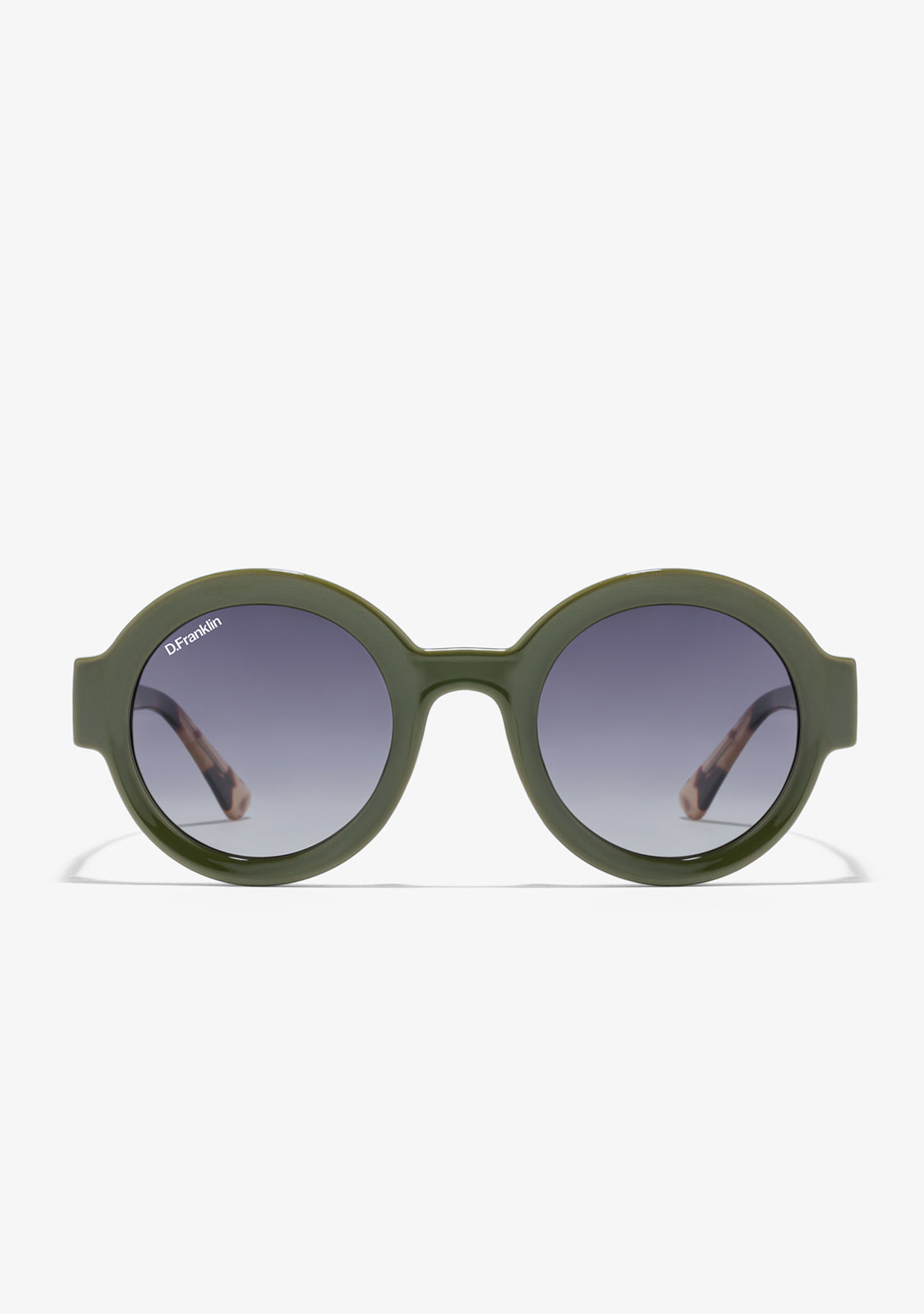
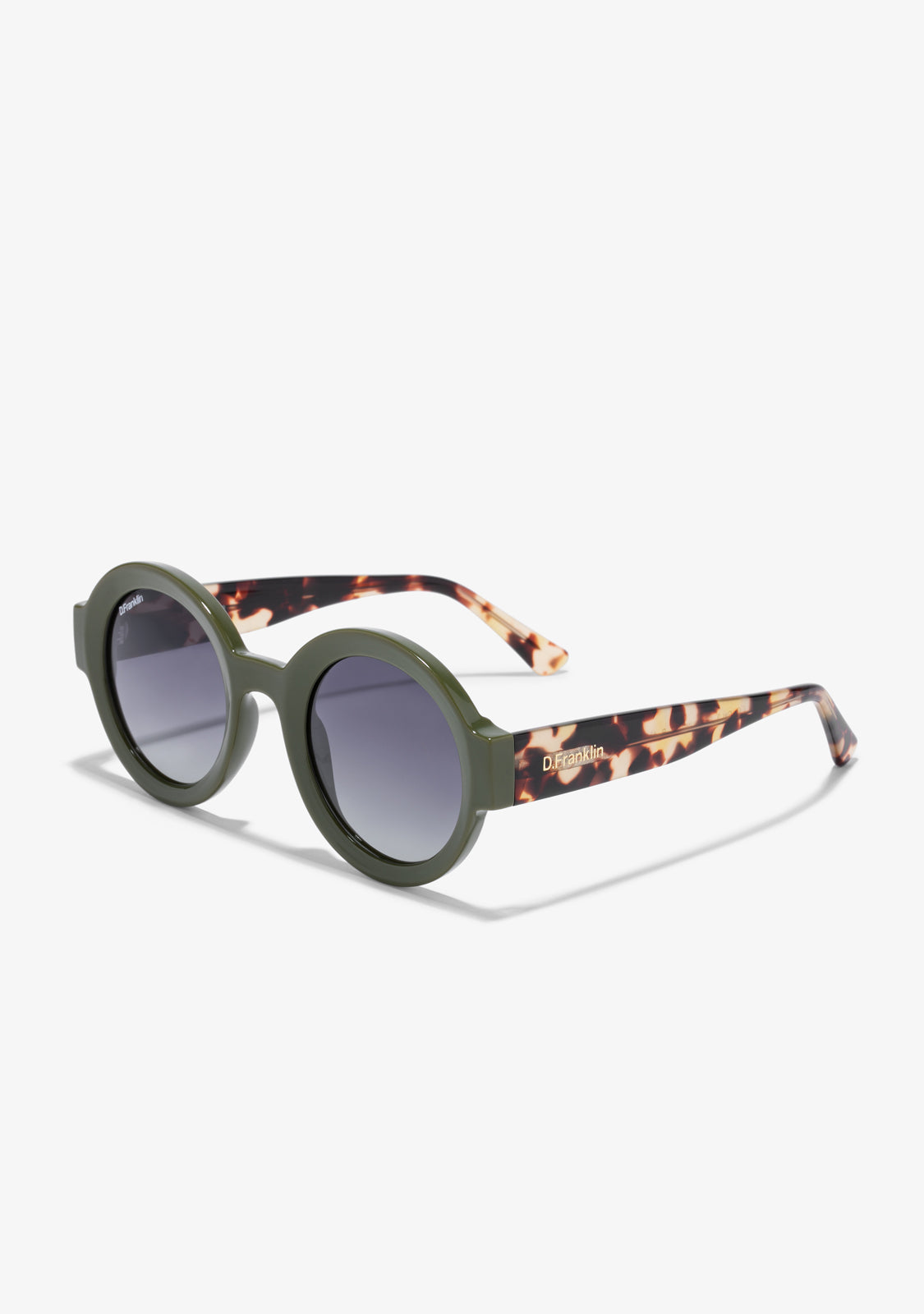

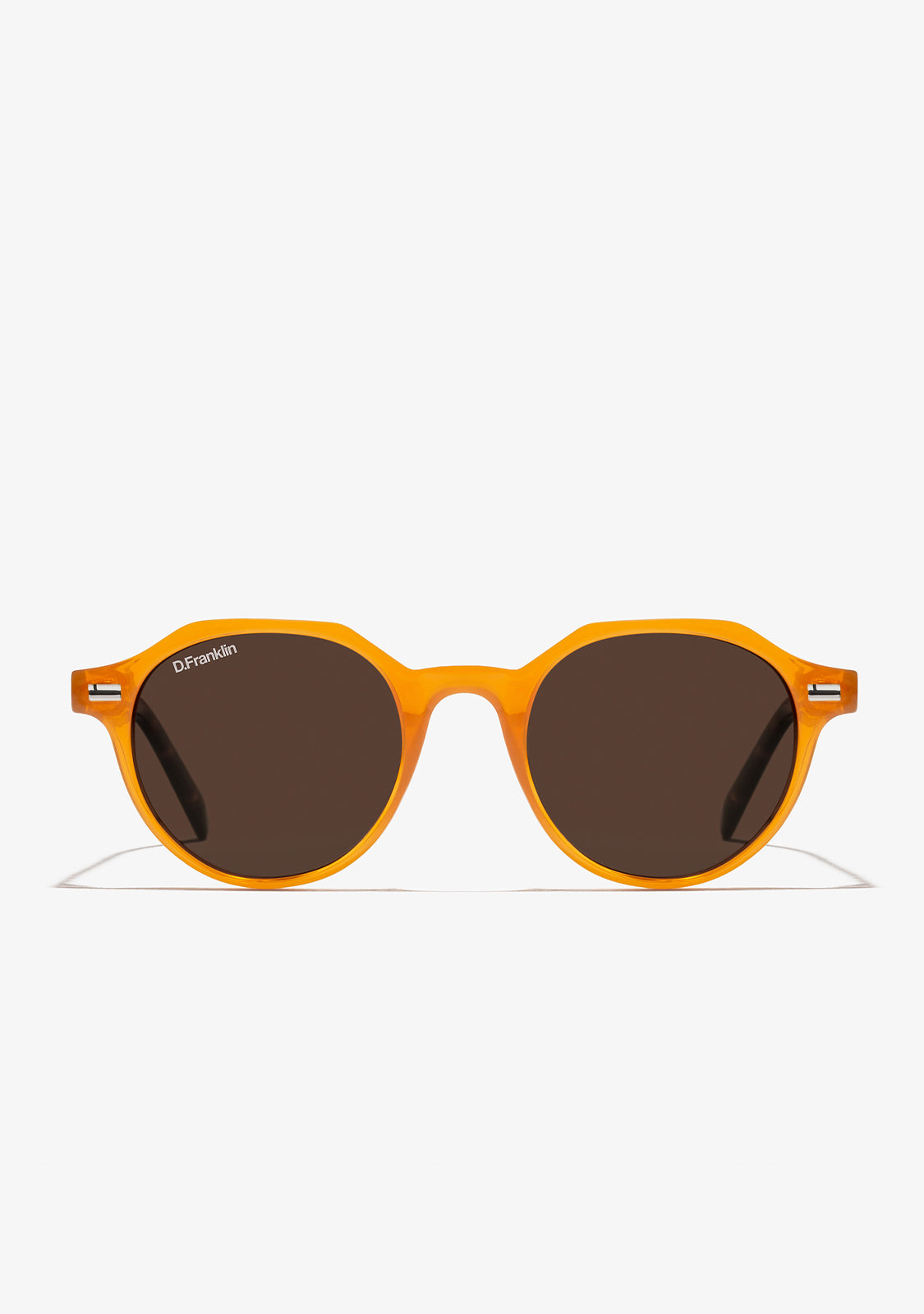
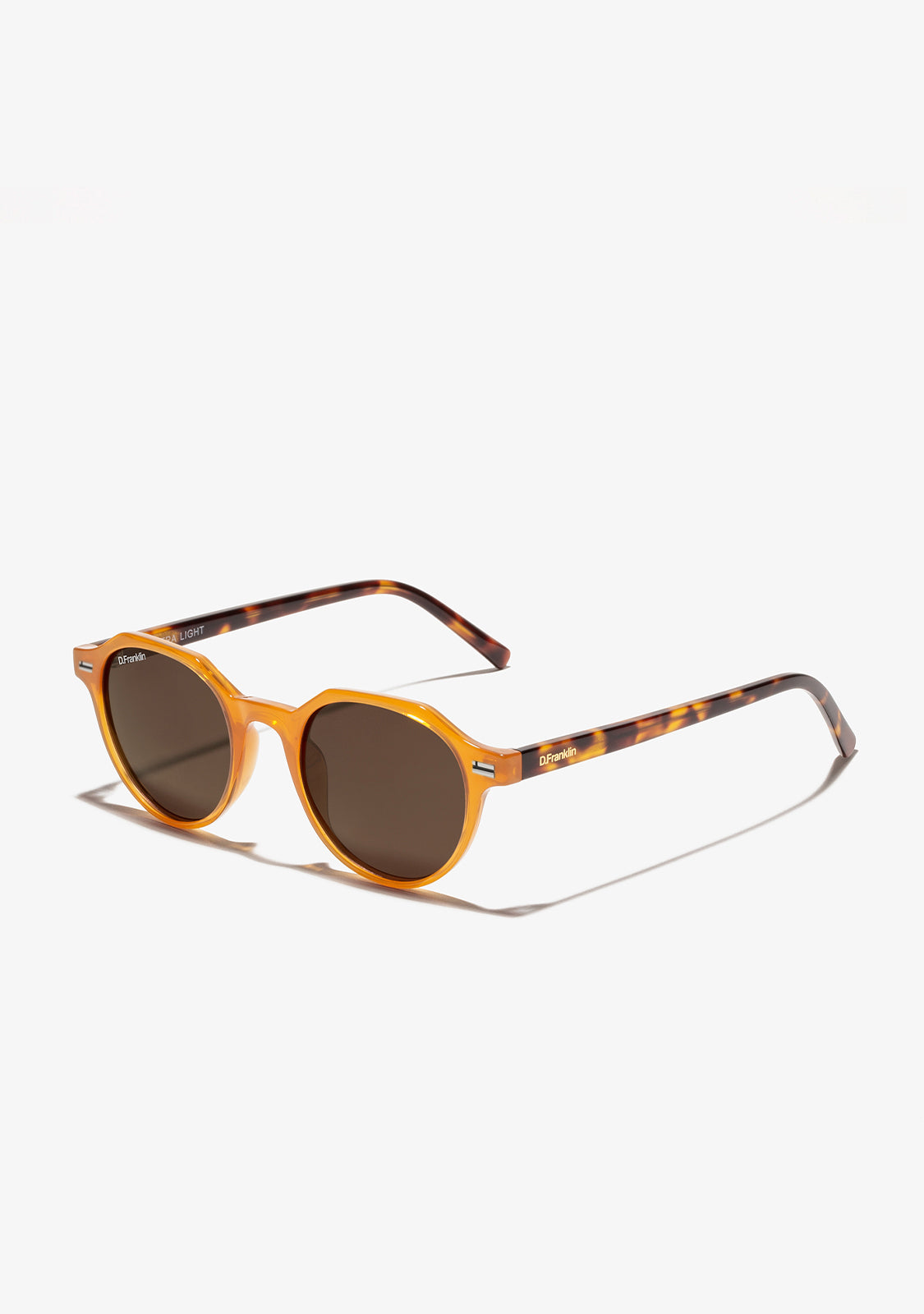

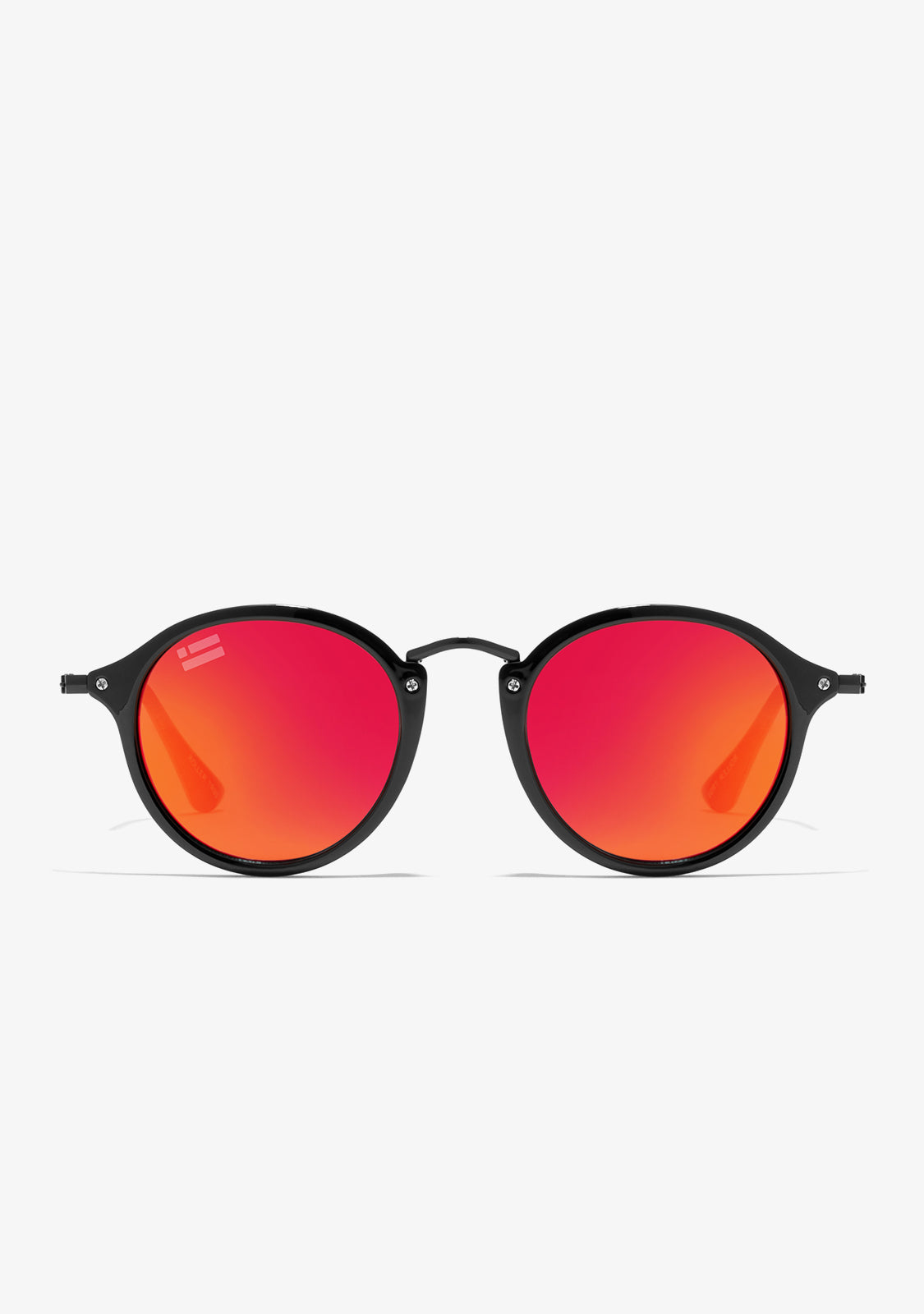
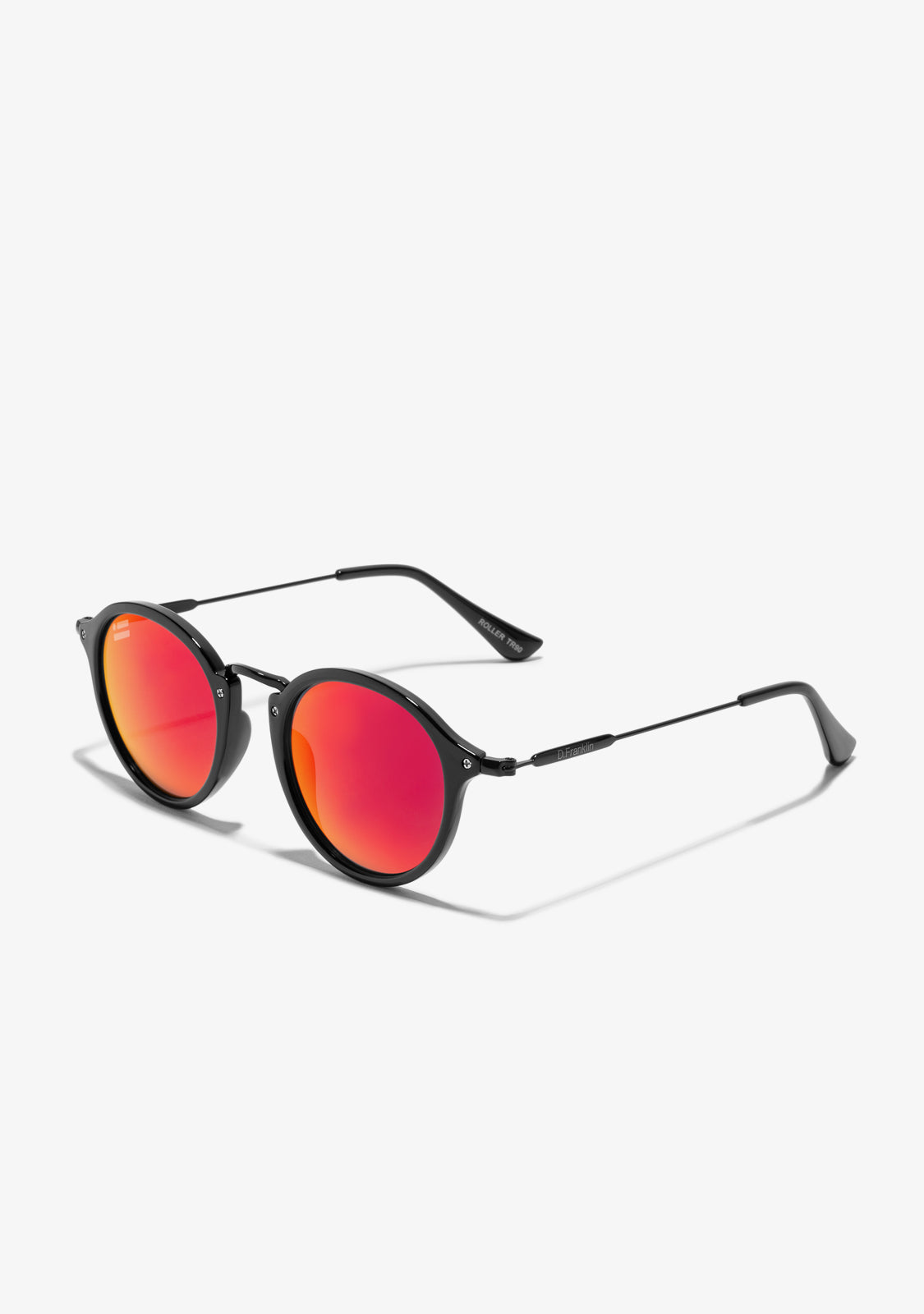

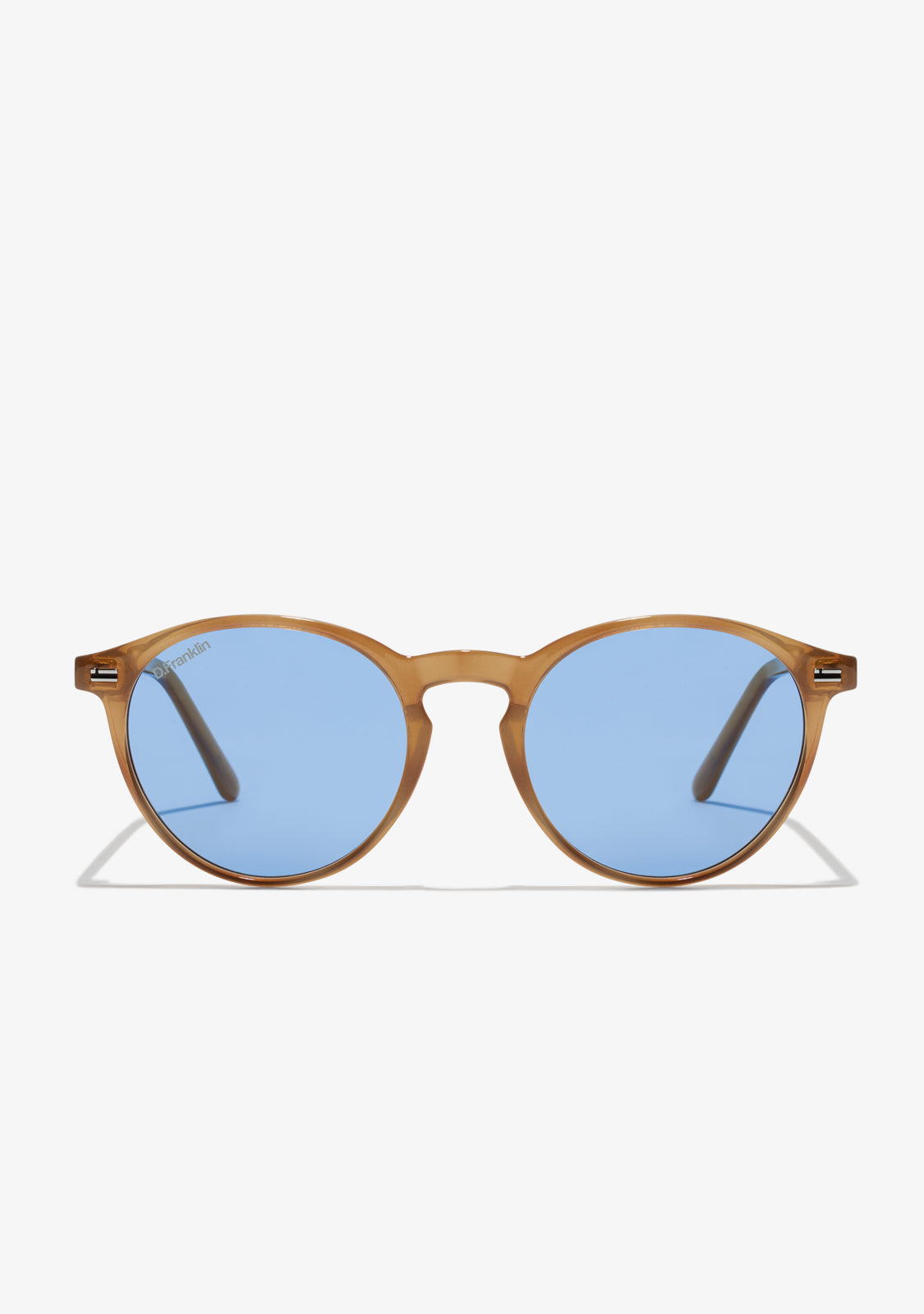
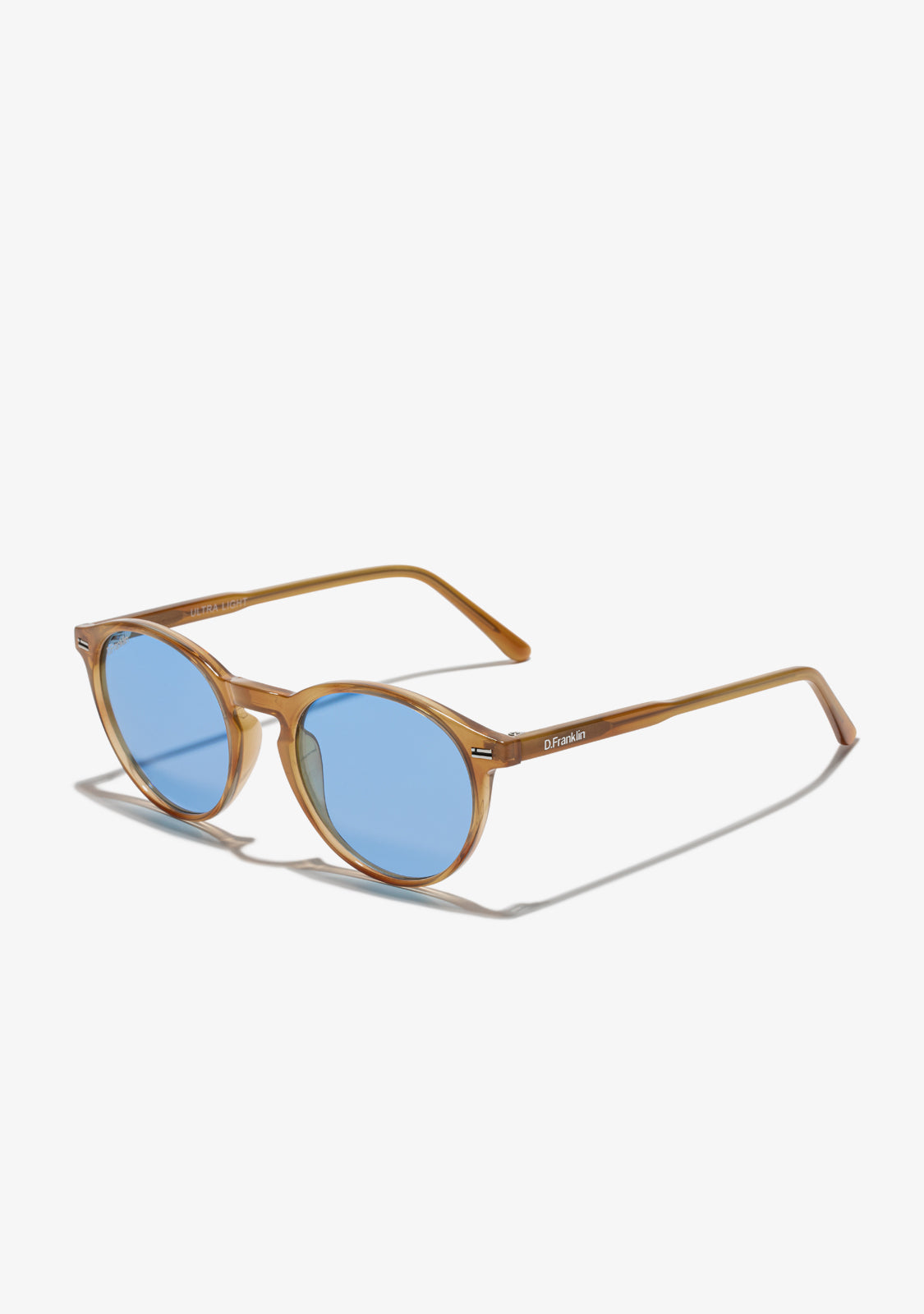

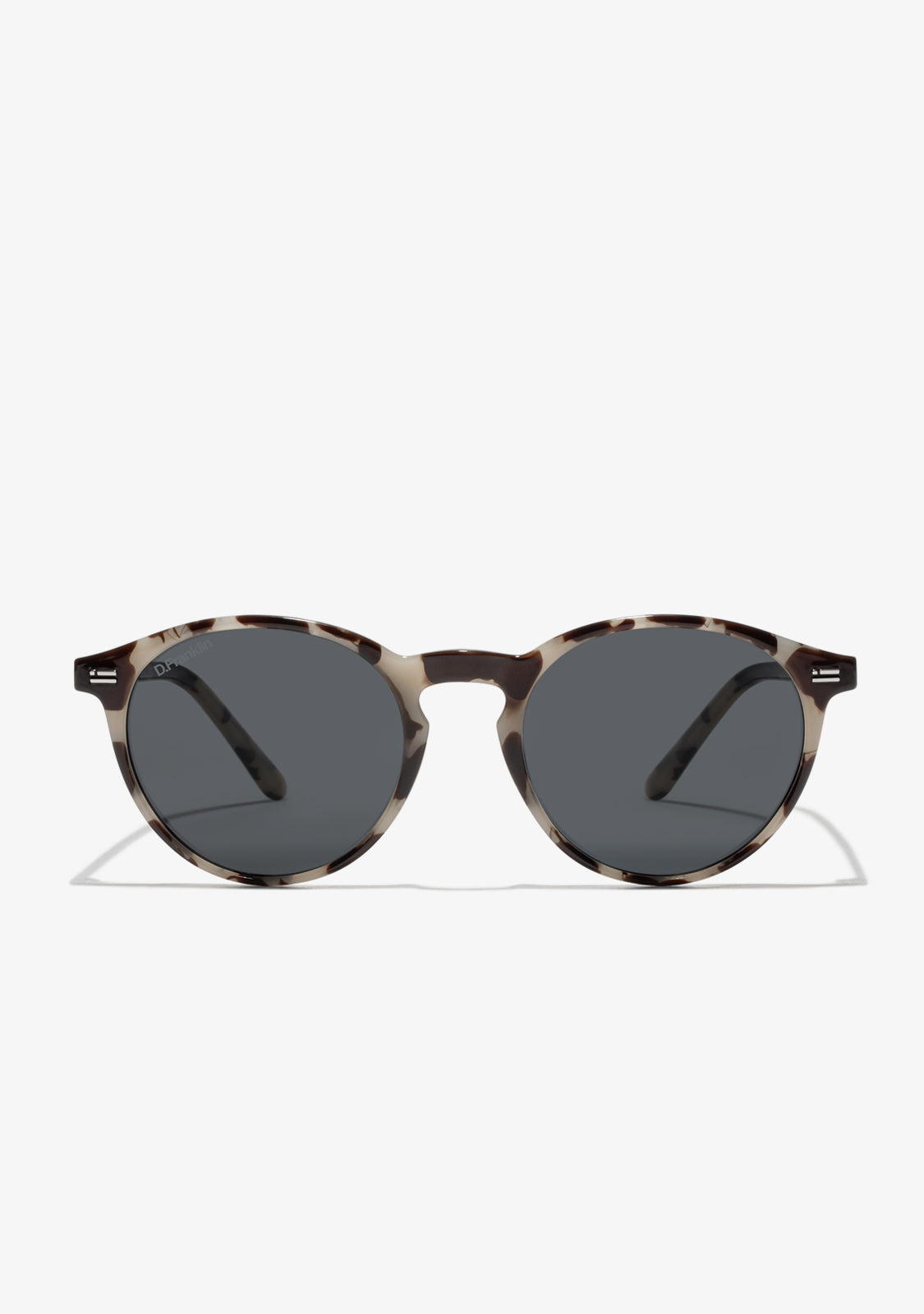
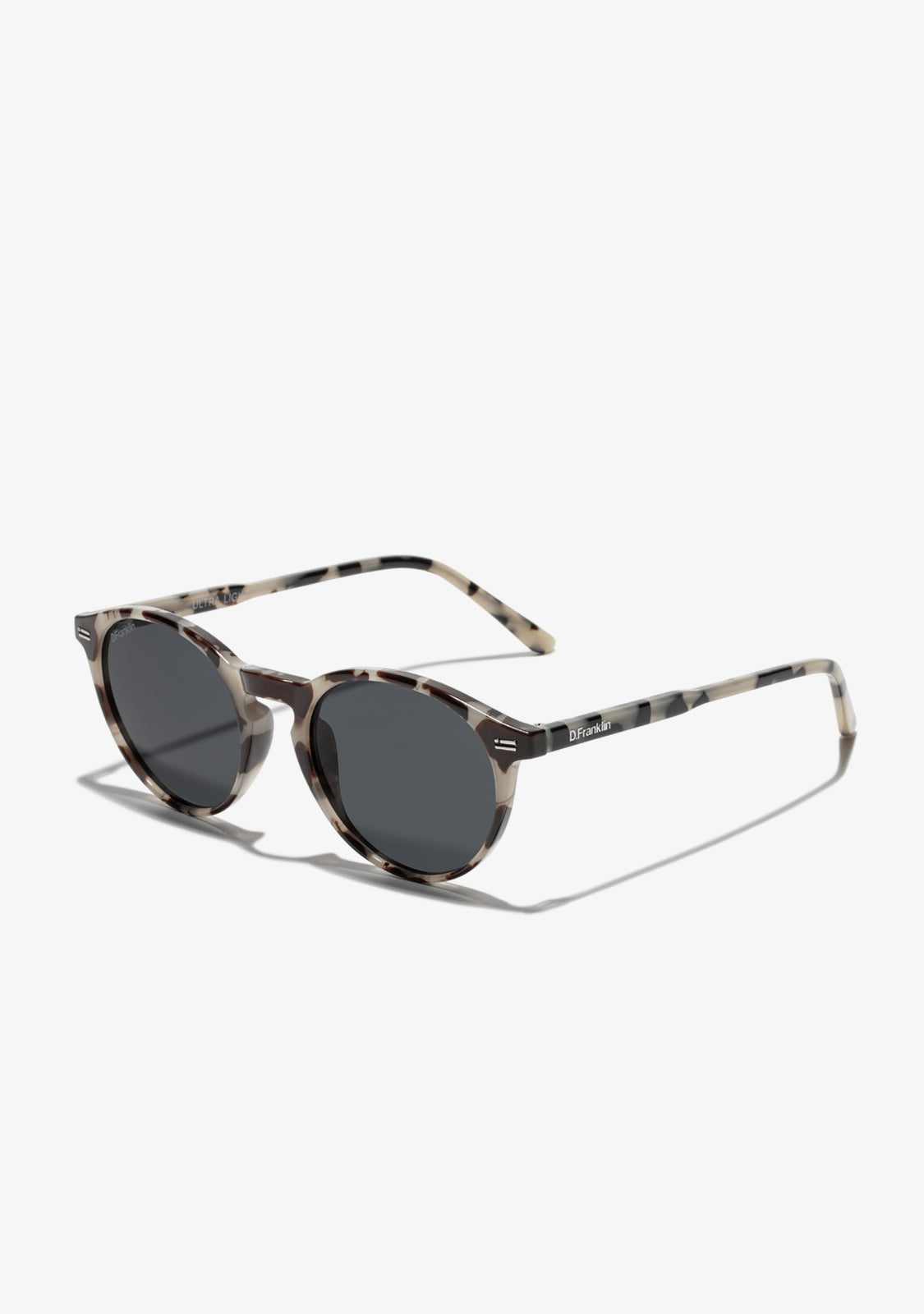

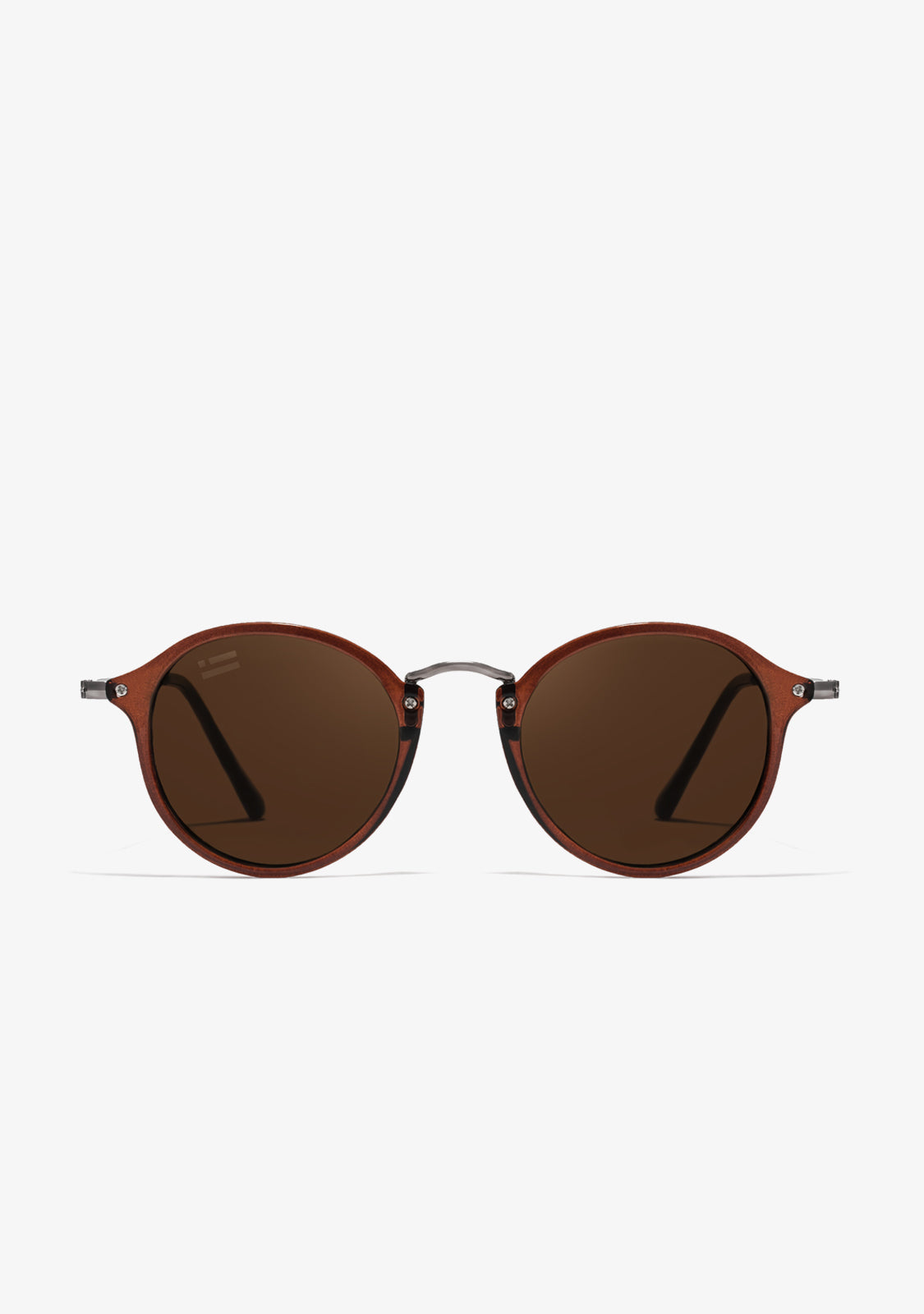
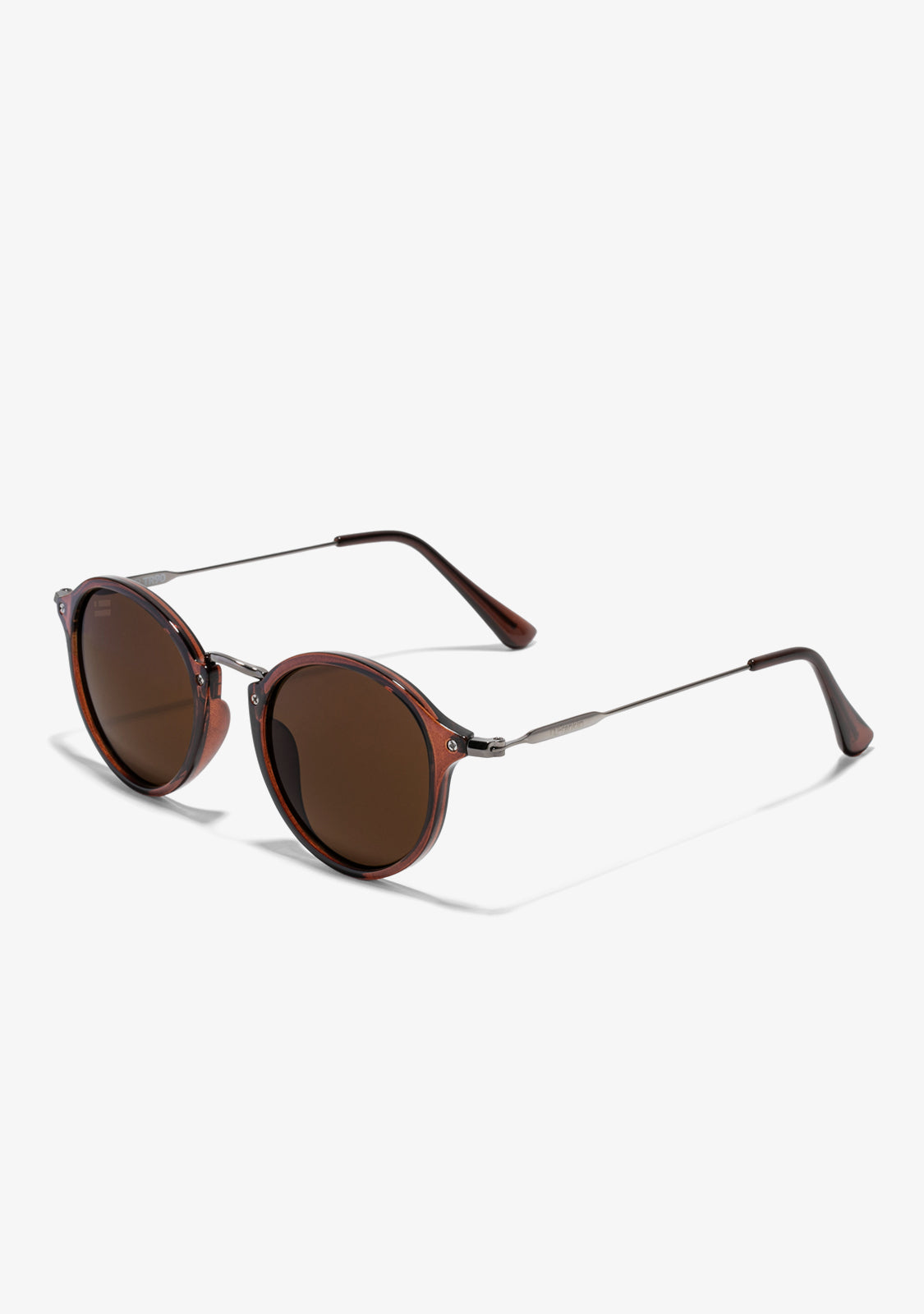

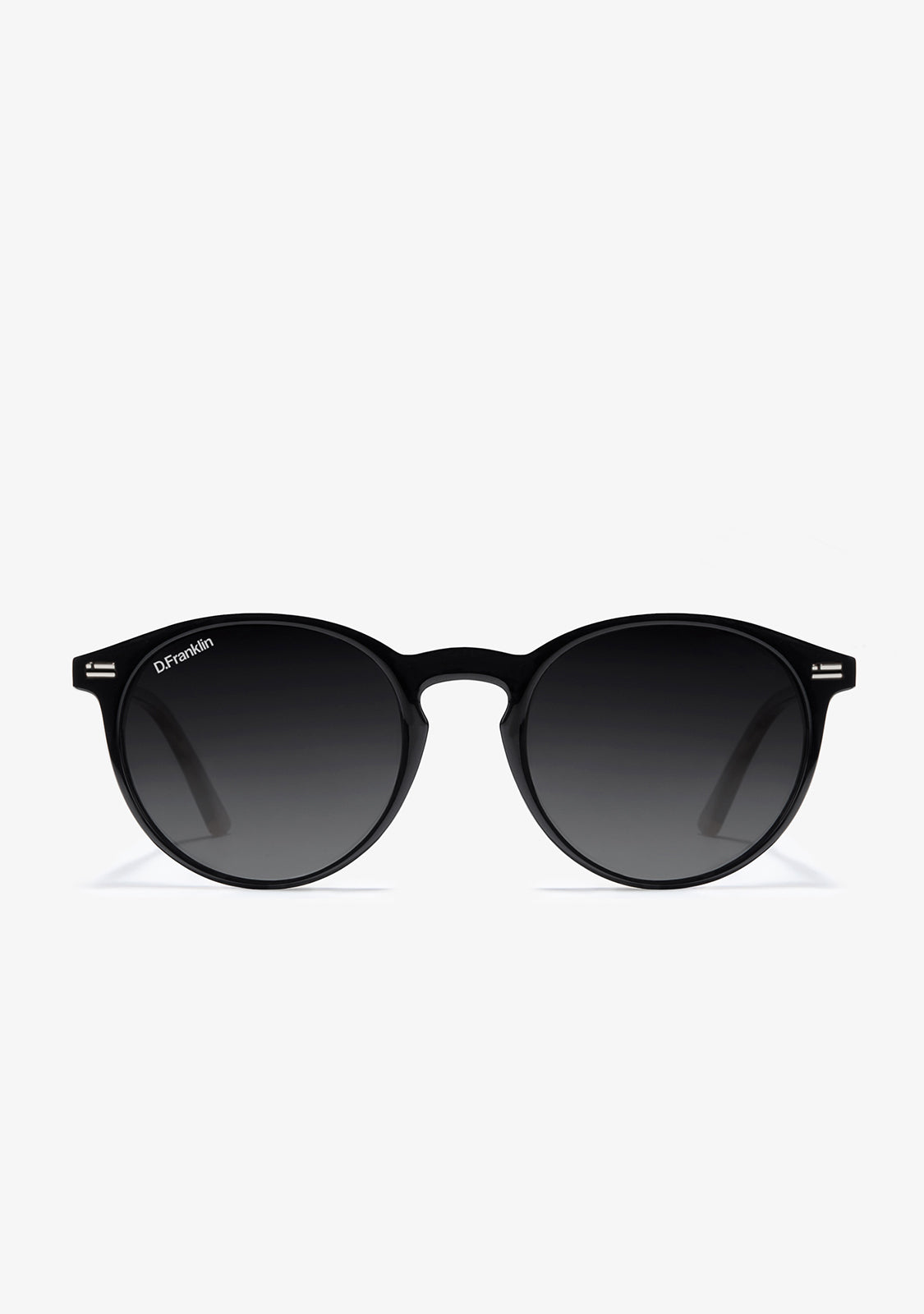
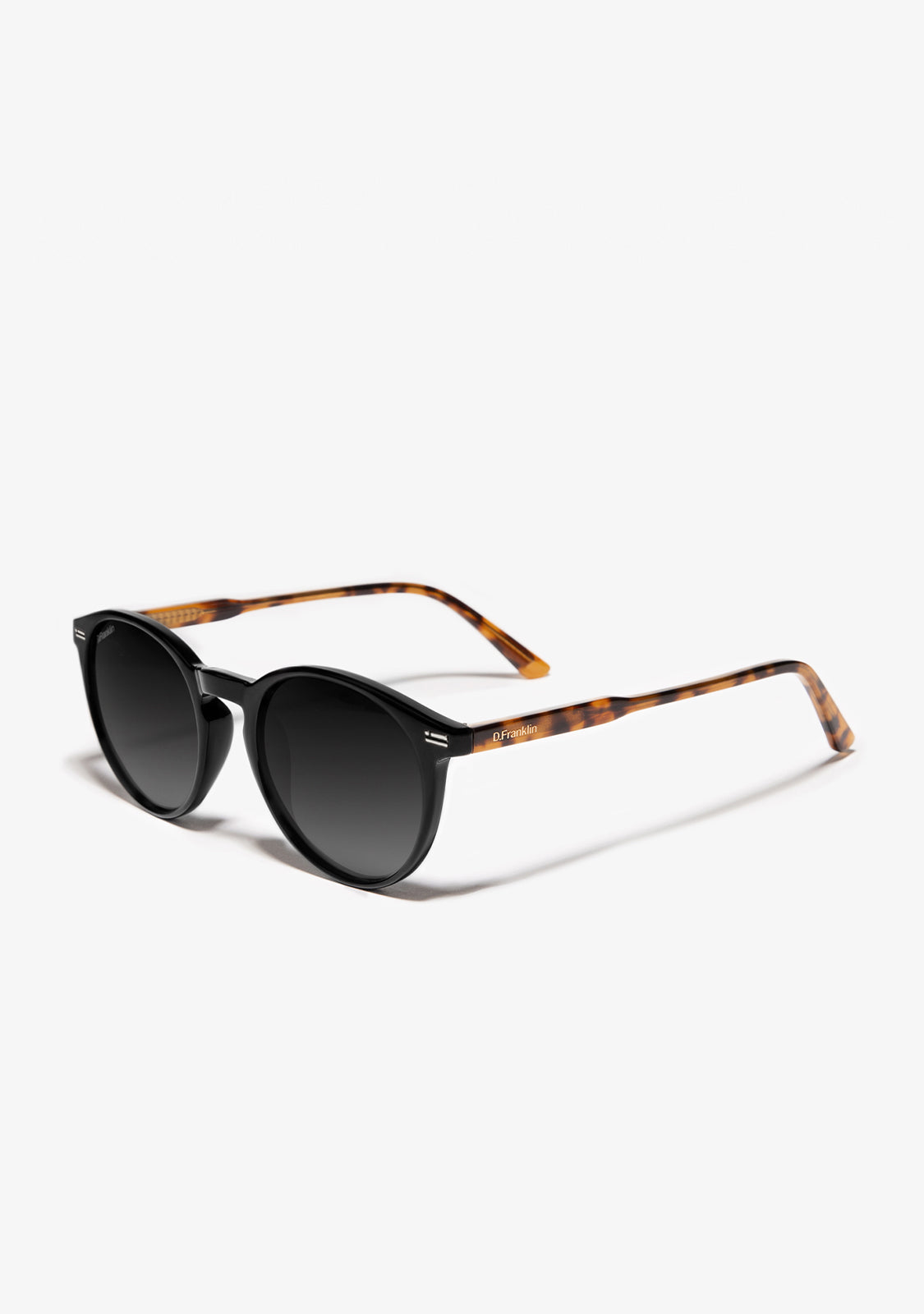

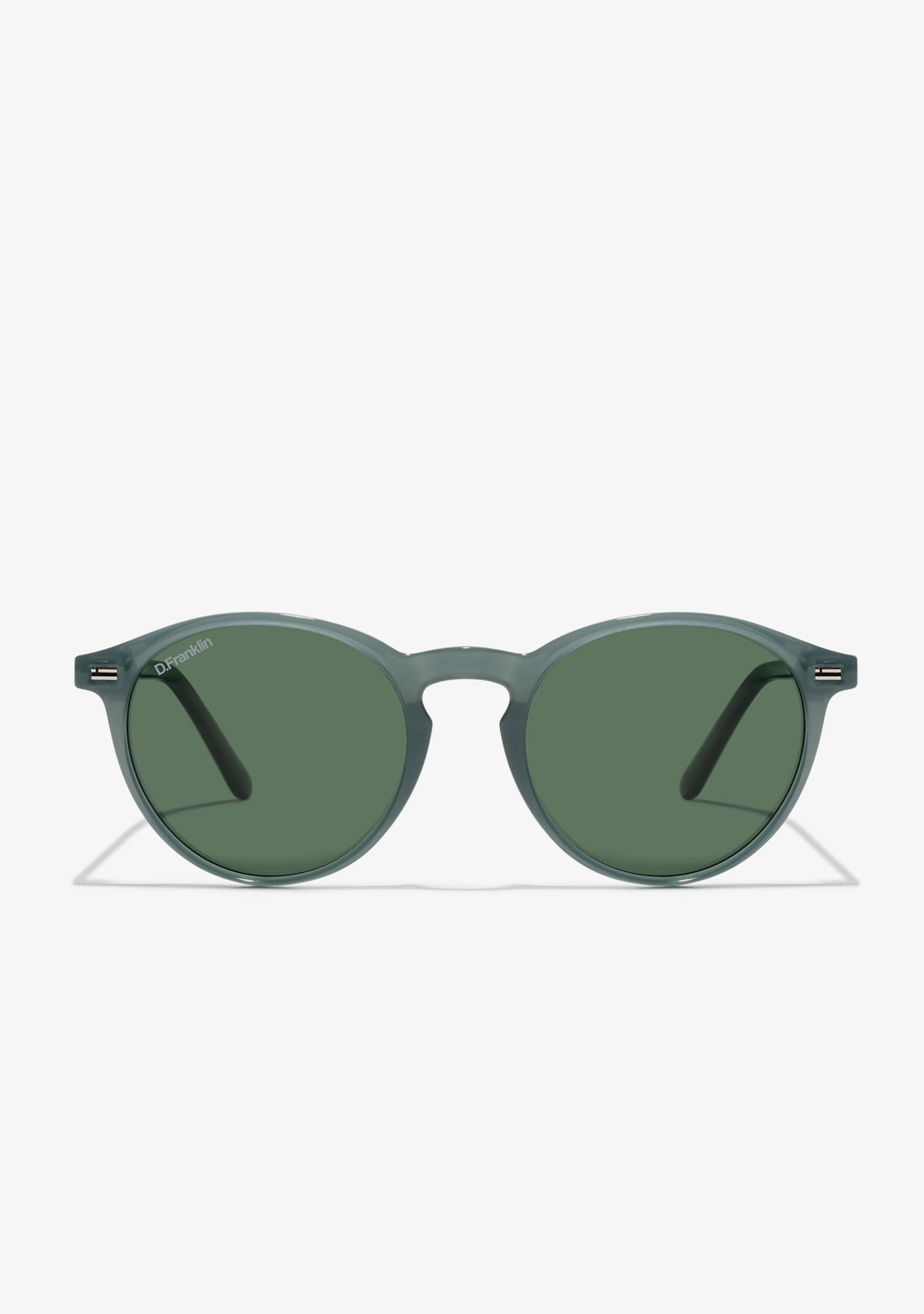
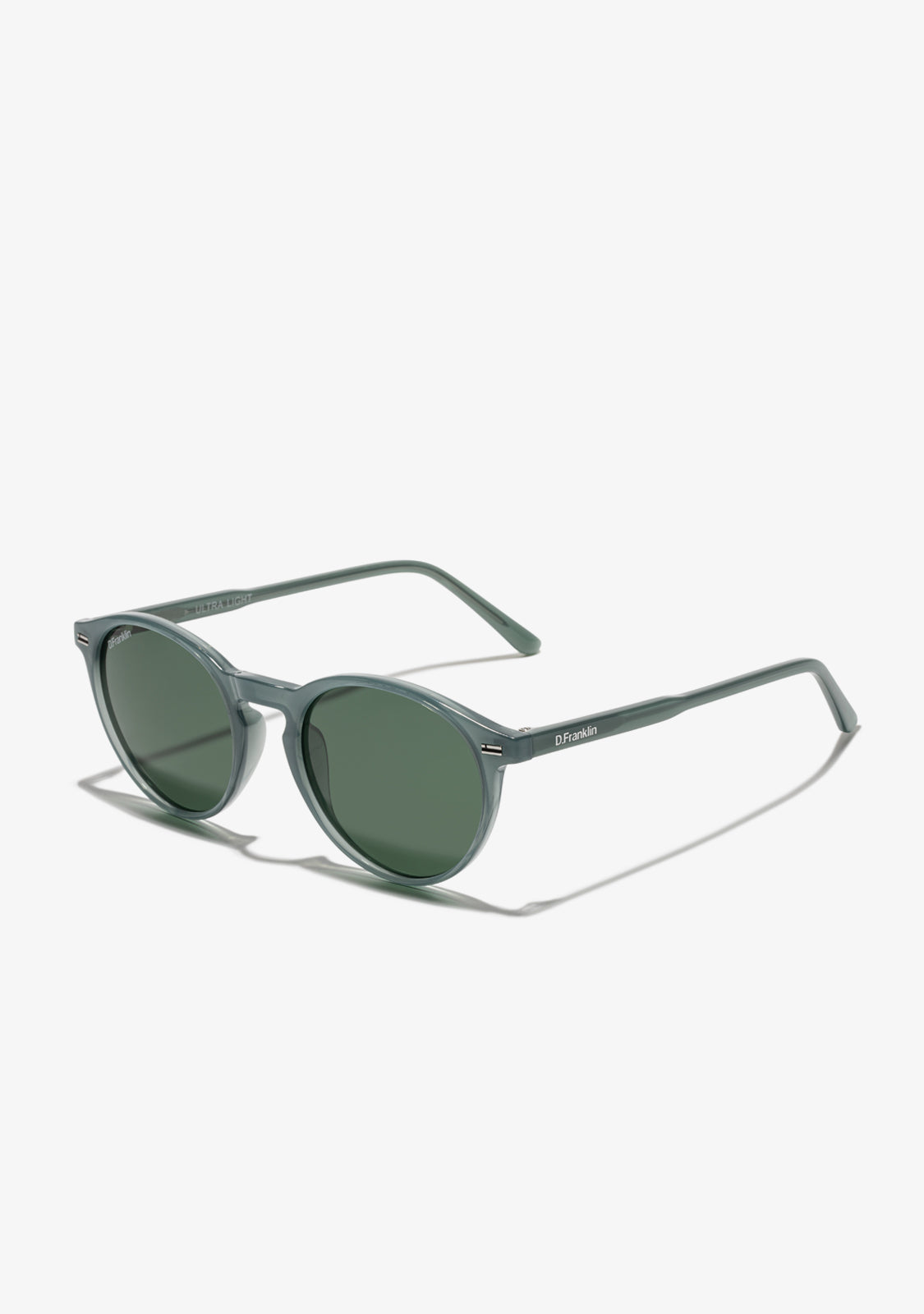

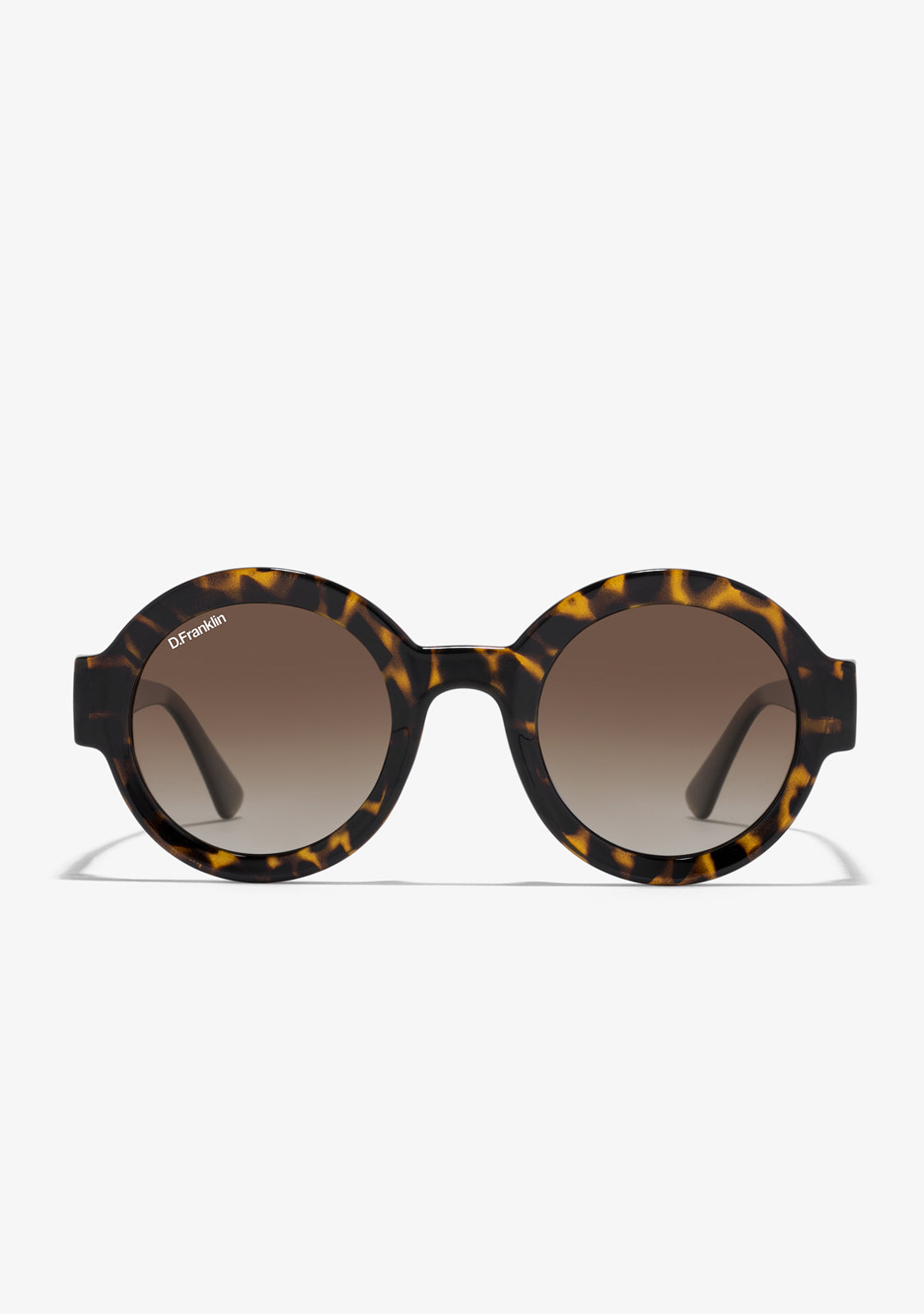
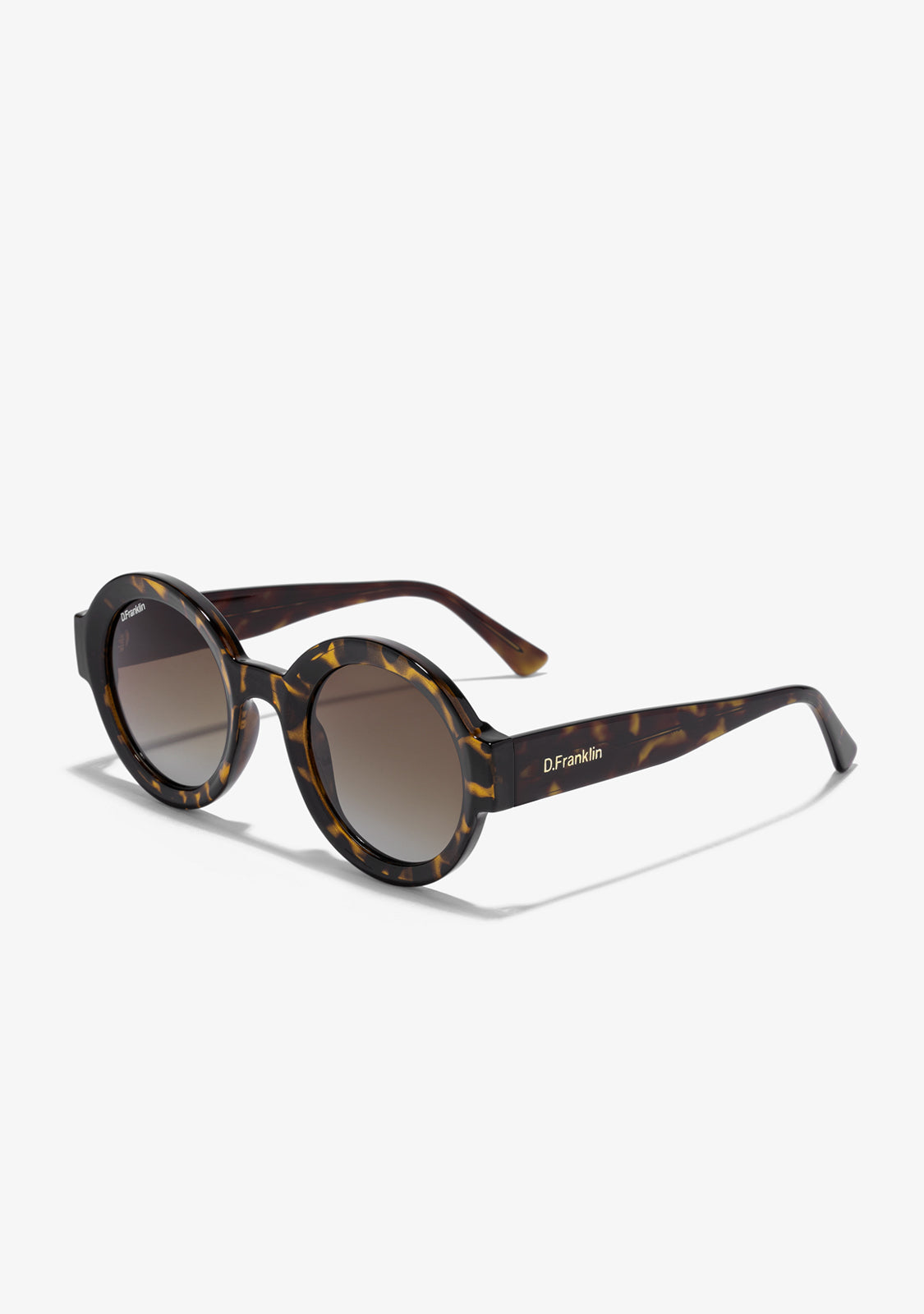


Round Sunglasses
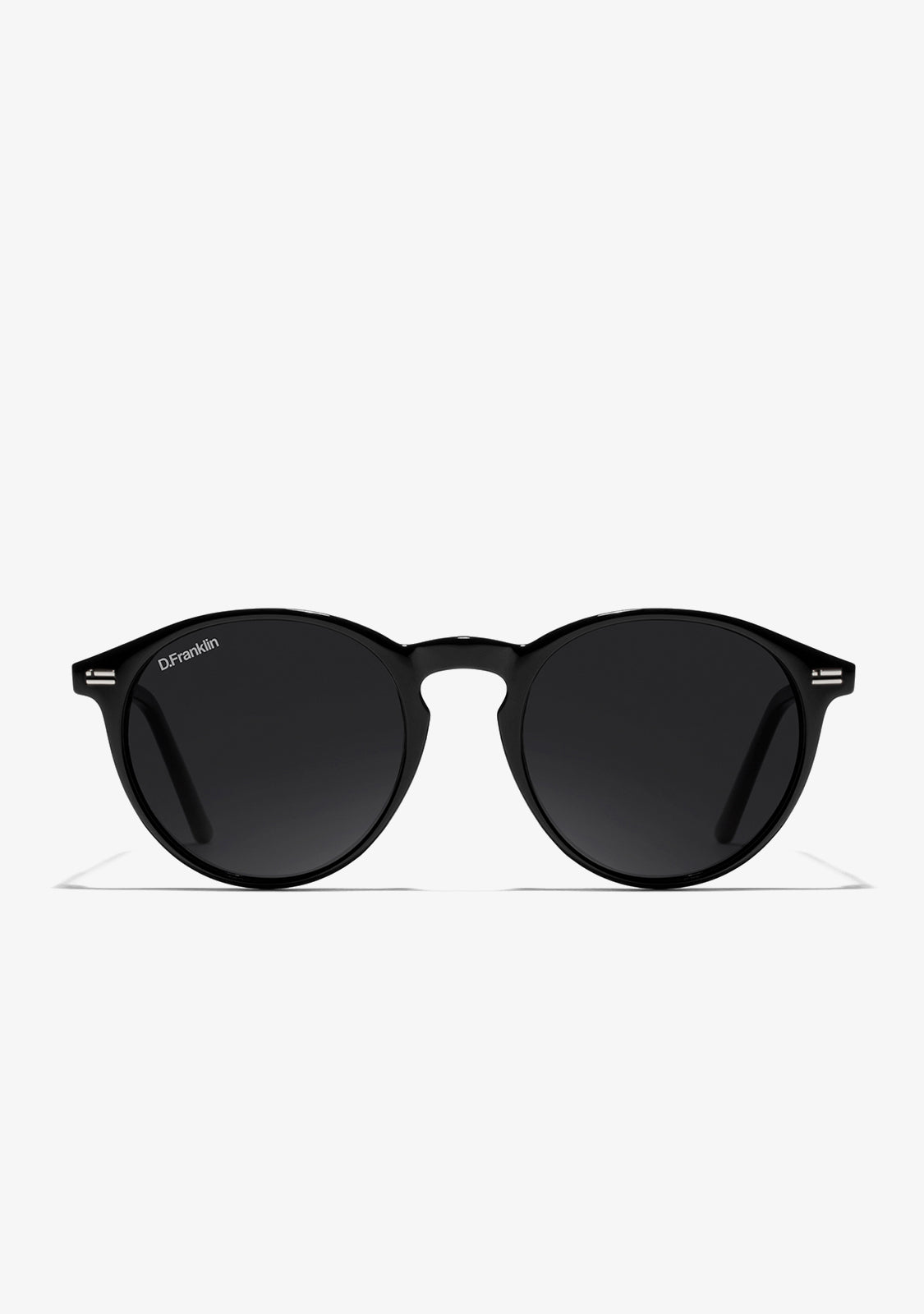
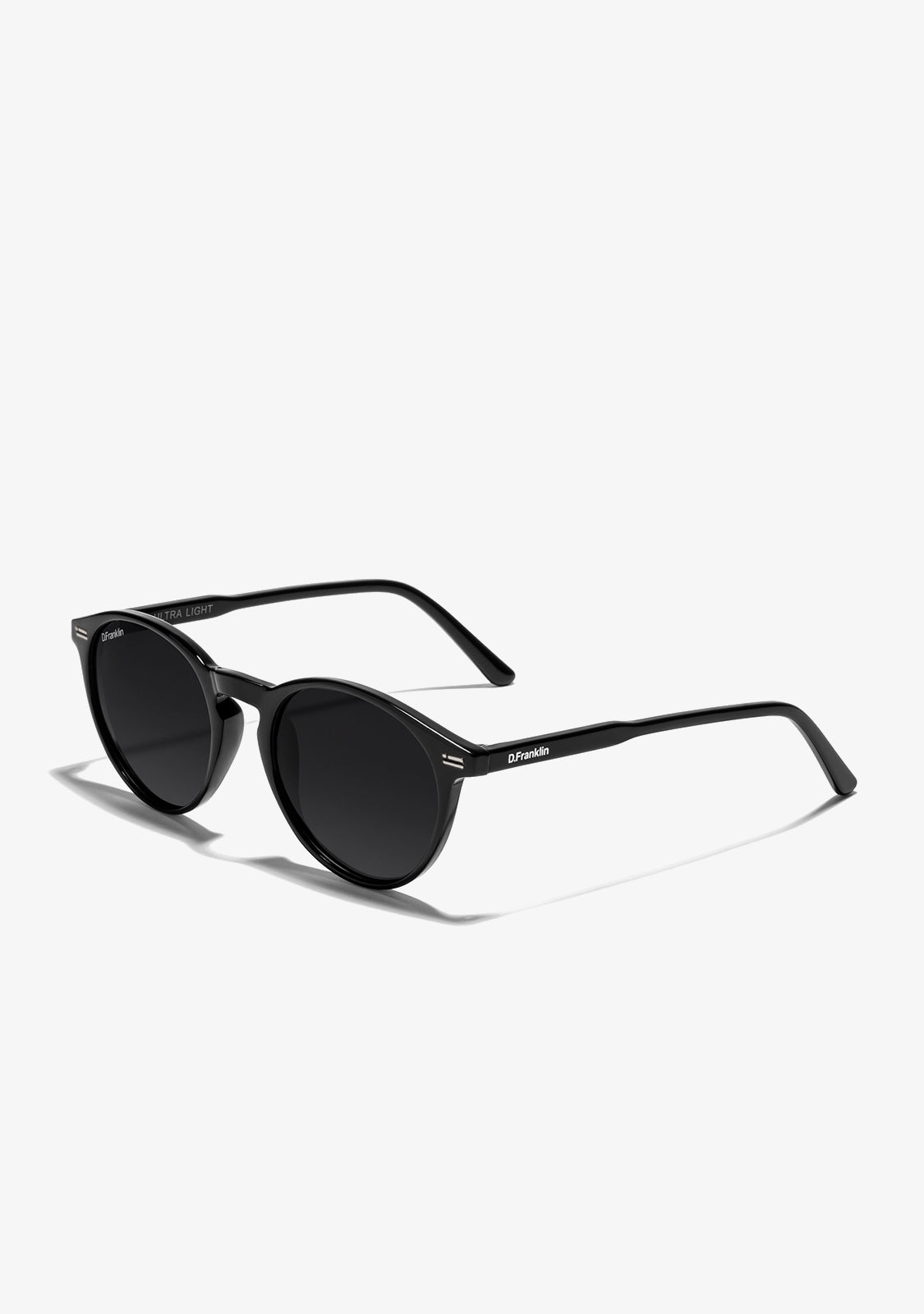
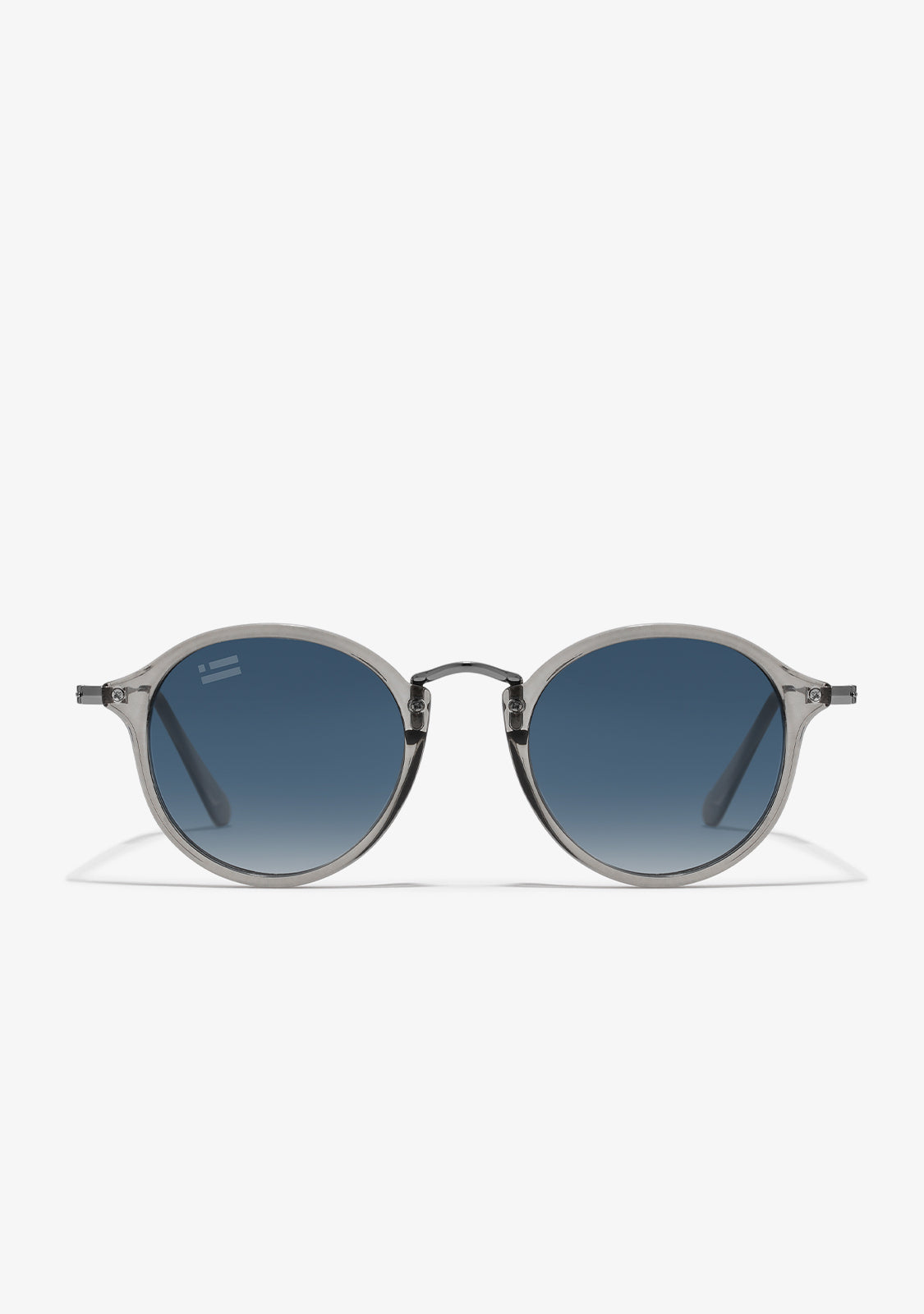
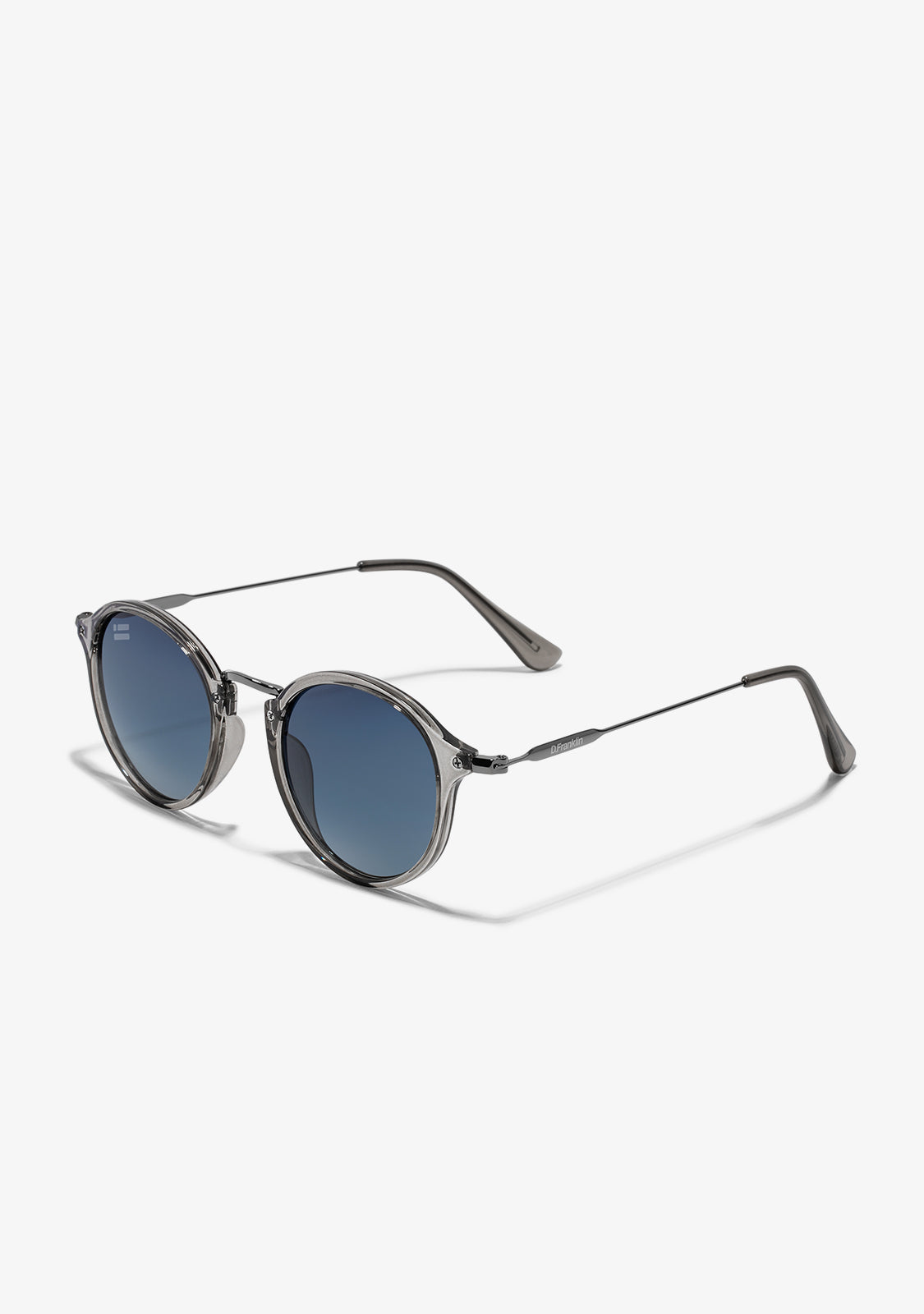
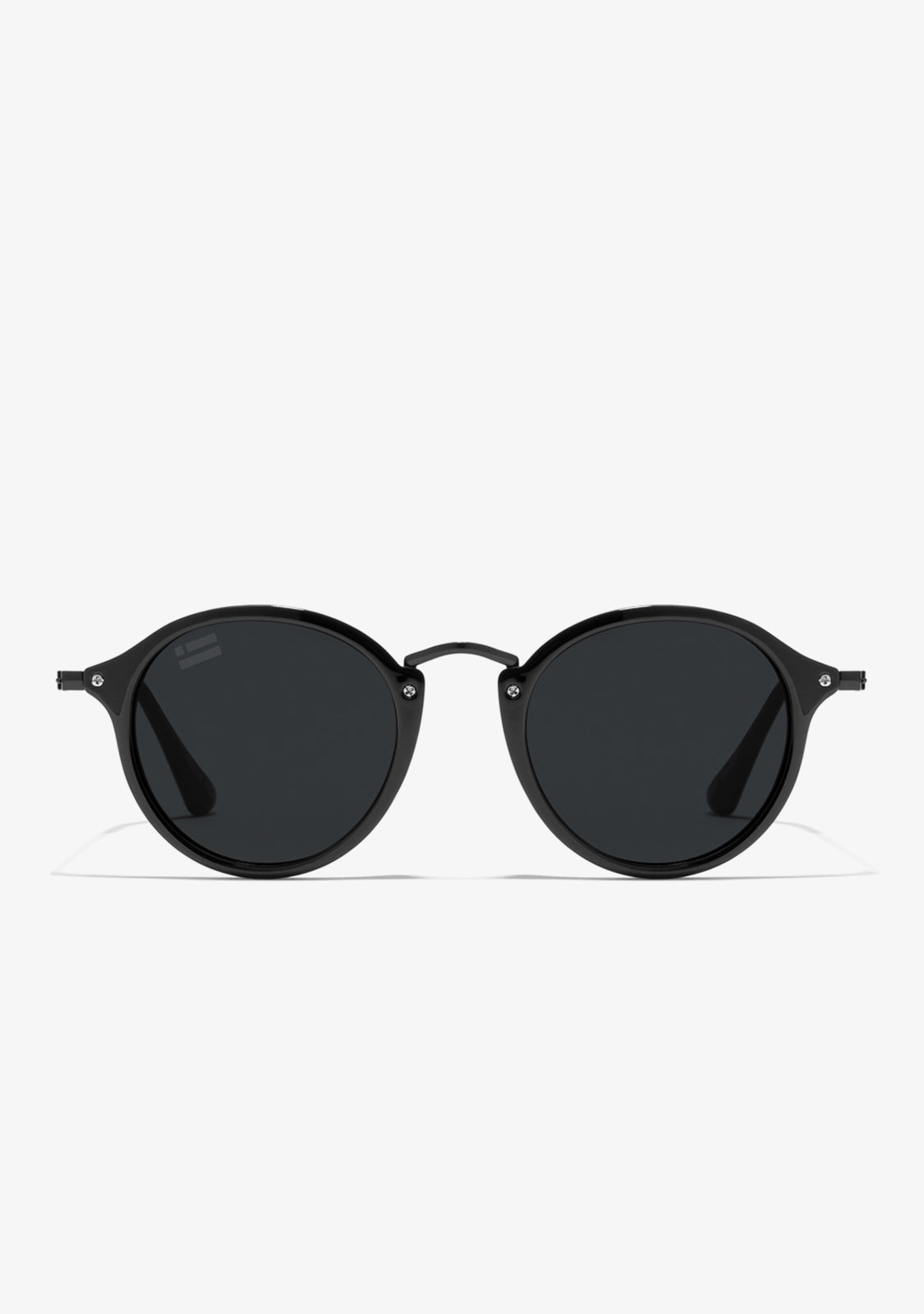
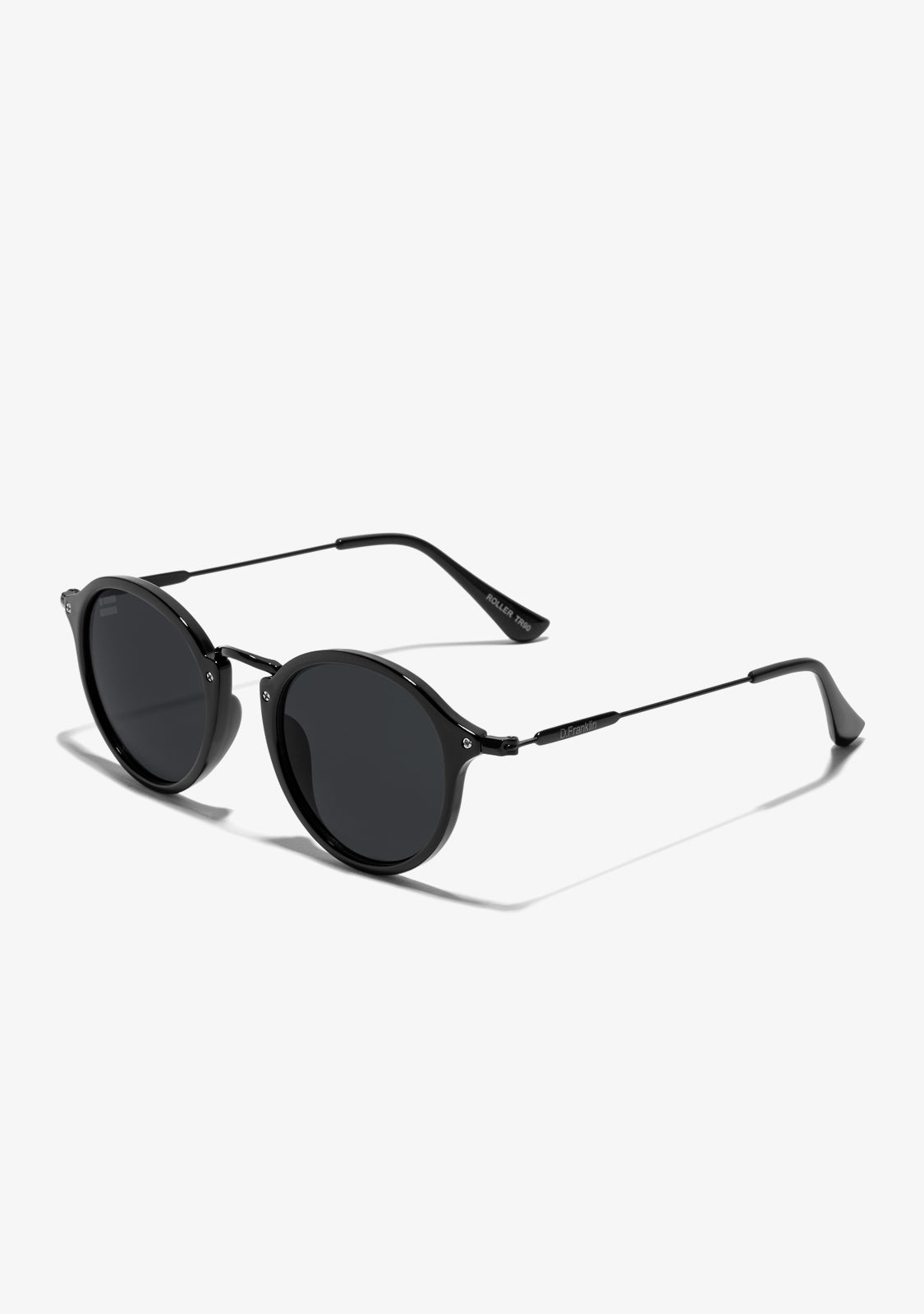
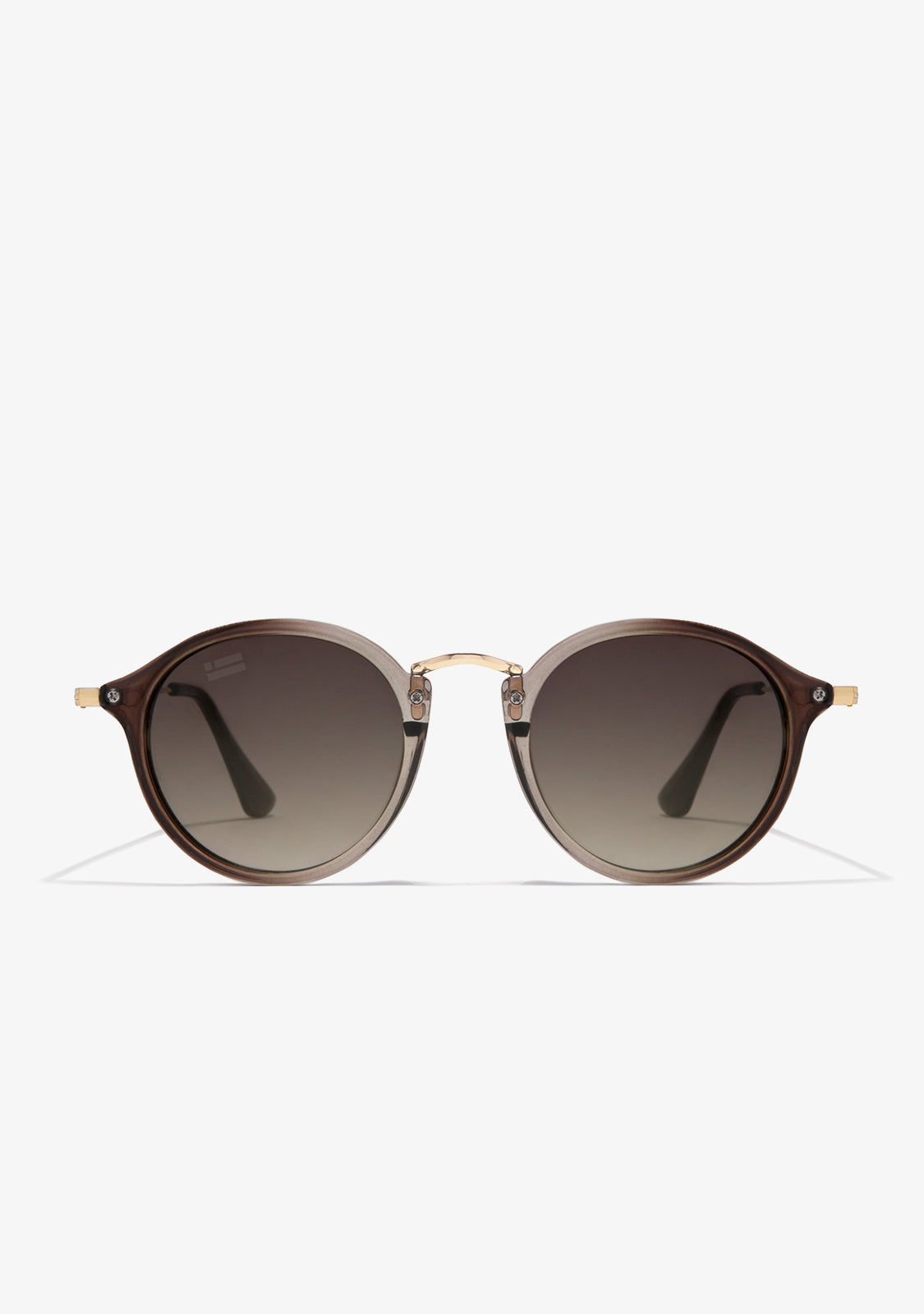
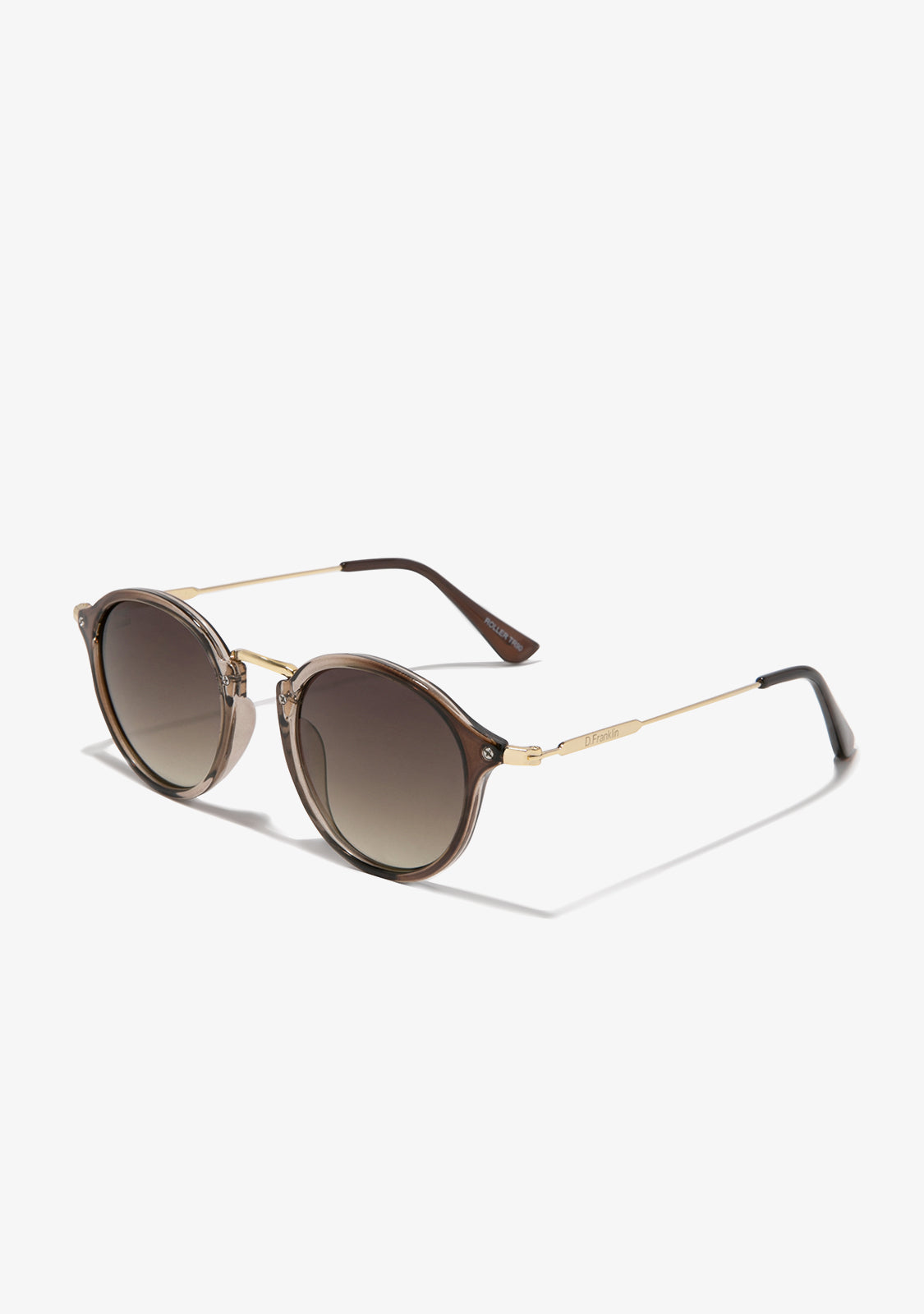
D.Franklin round sunglasses bring together curved frames for men and women. Their appearance changes with lens diameter, front thickness and frame material.
A rounded silhouette can have a wide or more compact front. Compare measurements with glasses that already fit, alongside the way the curves balance your features.
Comparing curves and angles
Curves create continuity across the front, while square sunglasses introduce defined corners. Neither shape is restricted to one face type: bridge fit and width matter as much as the outline.
Size changes visual presence
For a contained proportion, compare small sunglasses. Thin and thick frames of the same size can look very different; consider the accessories you usually wear too.
What to check before choosing
- Front width, bridge size and temple length.
- Stable contact without pressure on your nose or temples.
- Stated lens type, filter category and UV protection.
- Frame and lens colours considered separately.
Fit and care
Check the fit while tilting your head and smiling: the frame should not keep slipping or touch your cheeks. Remove particles before cleaning, use a clean microfibre cloth and follow the finish's care instructions. Store your glasses in their case away from direct heat. For a broader comparison, explore oversized sunglasses.
Frequently asked questions
Are round sunglasses only for angular faces?
No. You can choose contrast or continuity with your features. Check proportions and actual fit instead of relying solely on a face-shape rule.
Are all round frames metal?
Shape does not determine material. Read the front and temple composition; a slim appearance does not necessarily mean metal construction.
How do round and oval frames differ?
Look at the relationship between height and width: oval shapes tend to extend more in one direction. Some designs sit between the two, so compare outlines and dimensions.
What if the lenses touch my cheeks?
Check bridge support and front position while smiling. Different dimensions or a different bridge may suit you better; do not force the frame to correct its position.
Do darker lenses provide more UV protection?
Tint and ultraviolet protection are different properties. Check the stated protection and filter category; colour alone confirms neither.
Which measurements should I compare with my current glasses?
Compare front width, bridge and temple length. Do not confuse the width of one lens with the width of the entire frame; use glasses that stay stable as a reference.
How do I clean lenses without damaging the finish?
Follow the design's instructions, remove dust first and use a clean microfibre cloth. Avoid rubbing with clothing or paper and do not use cleaners without confirmed compatibility.
You may also like
Sunglasses