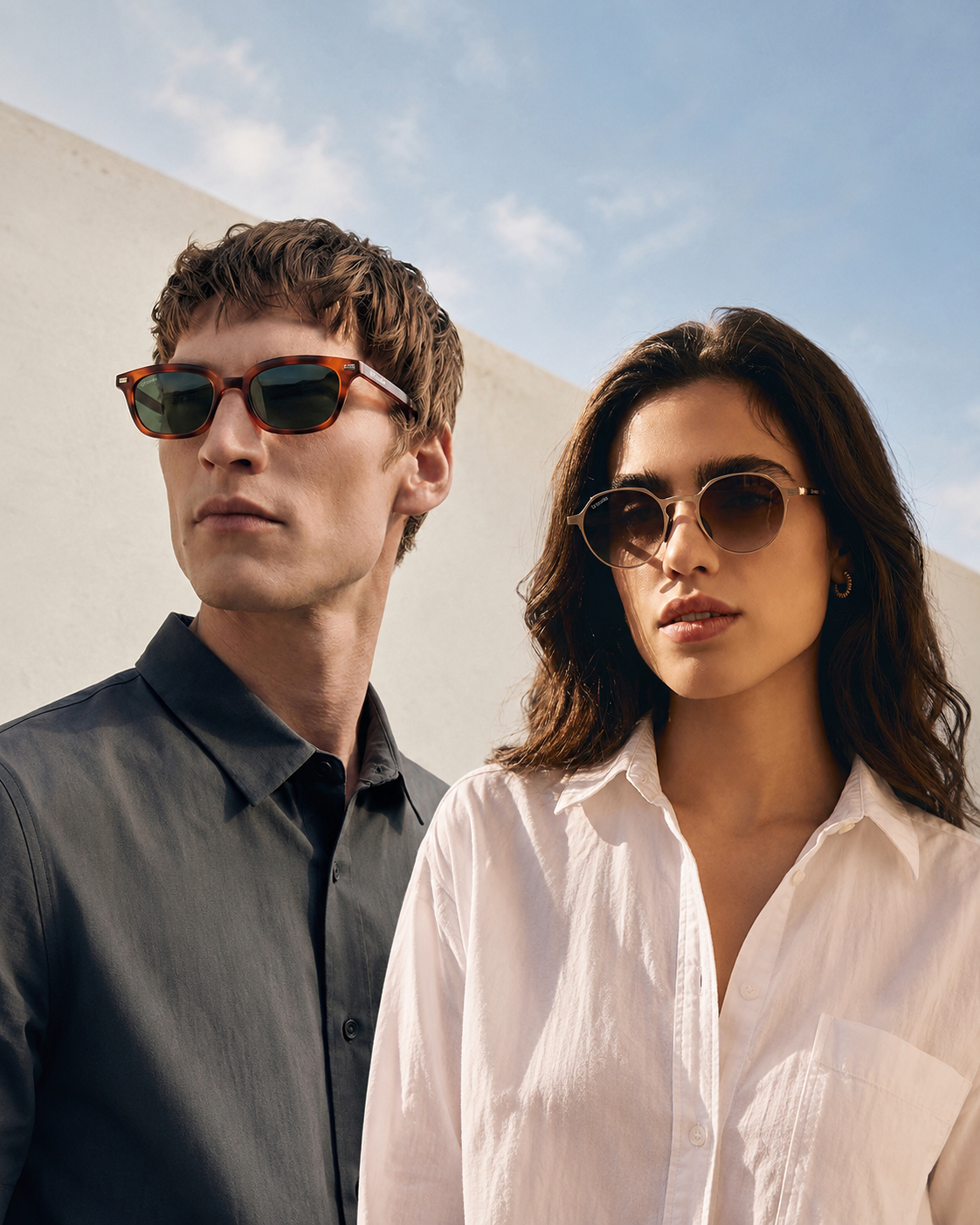
You may also like
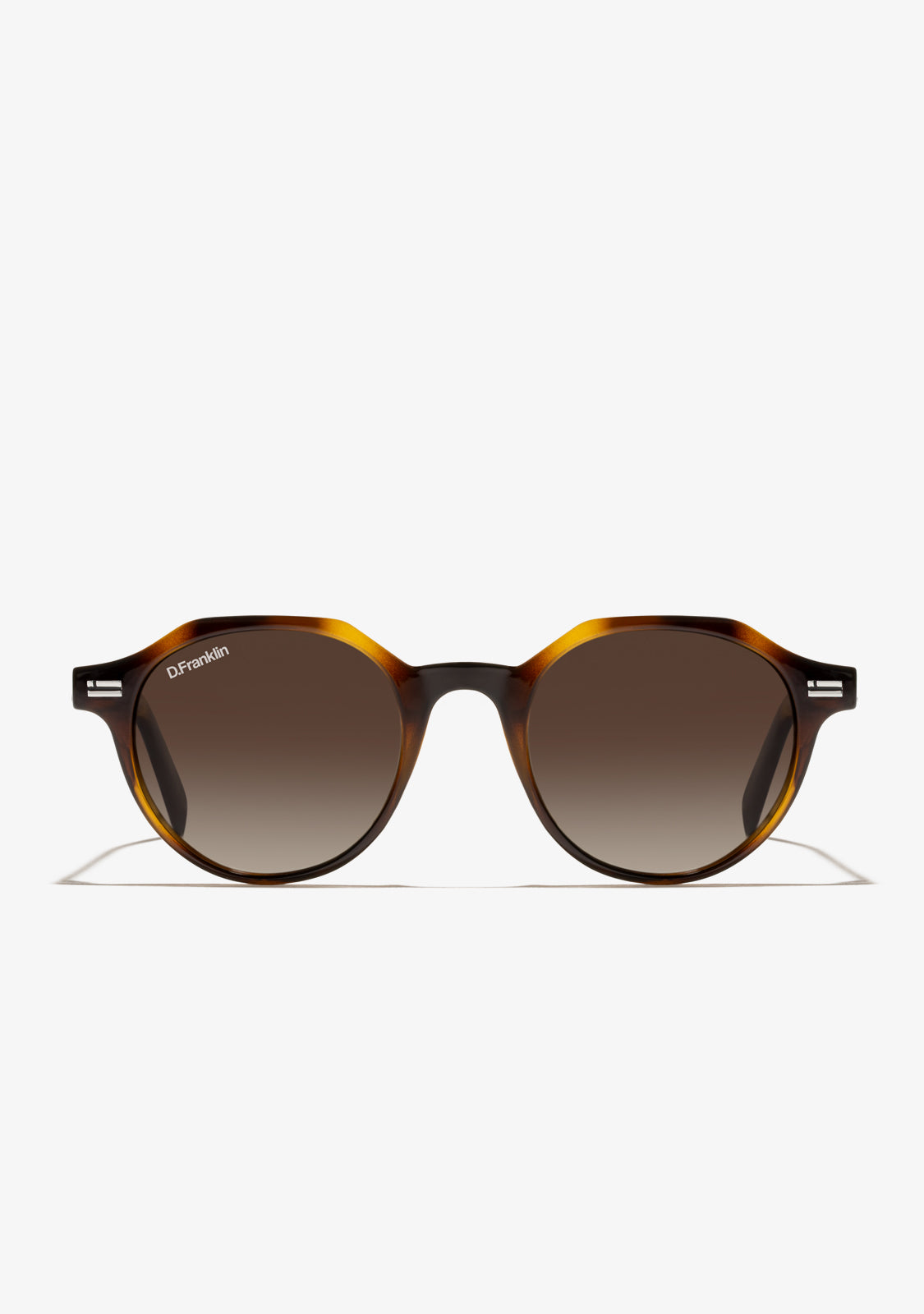
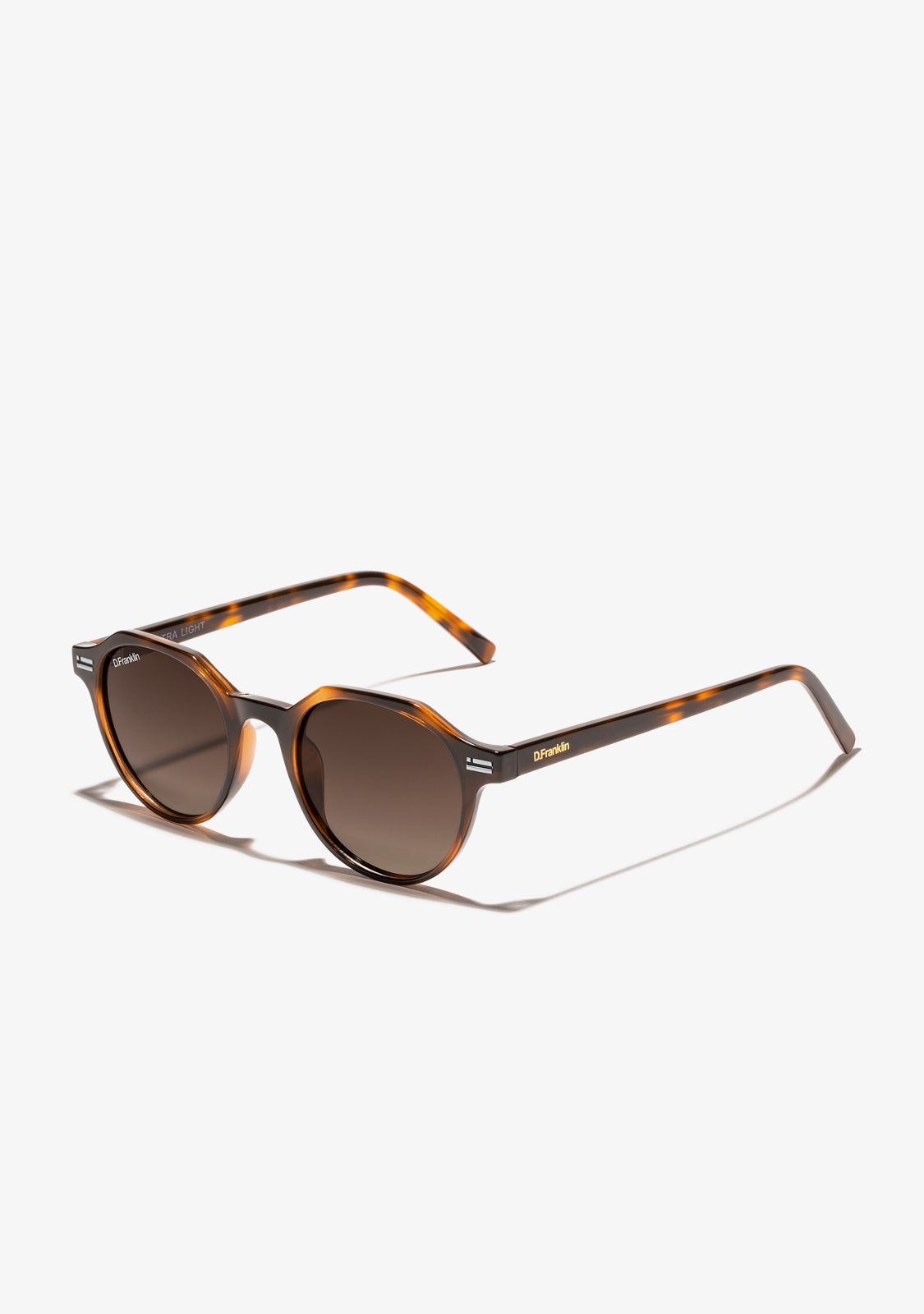

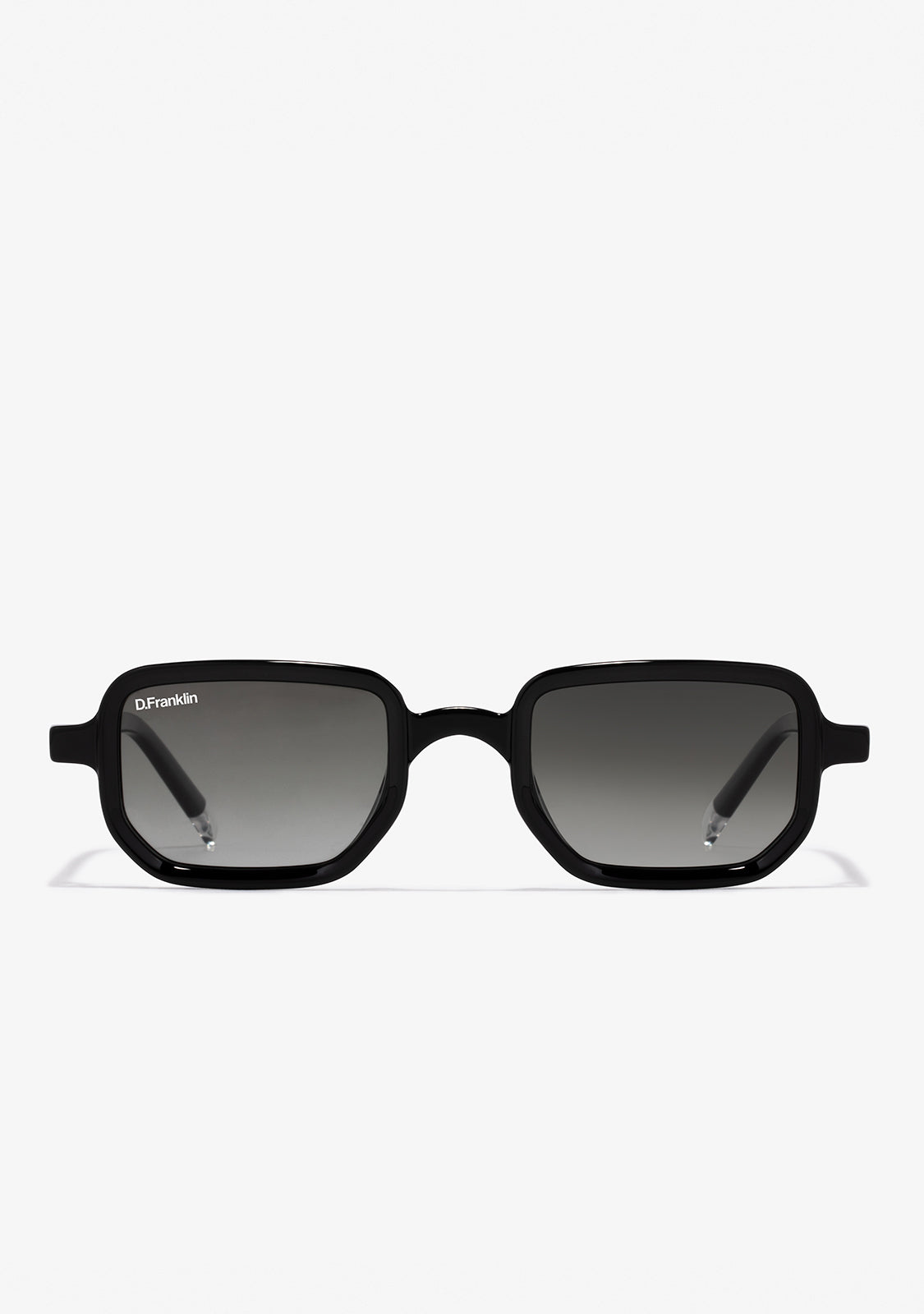
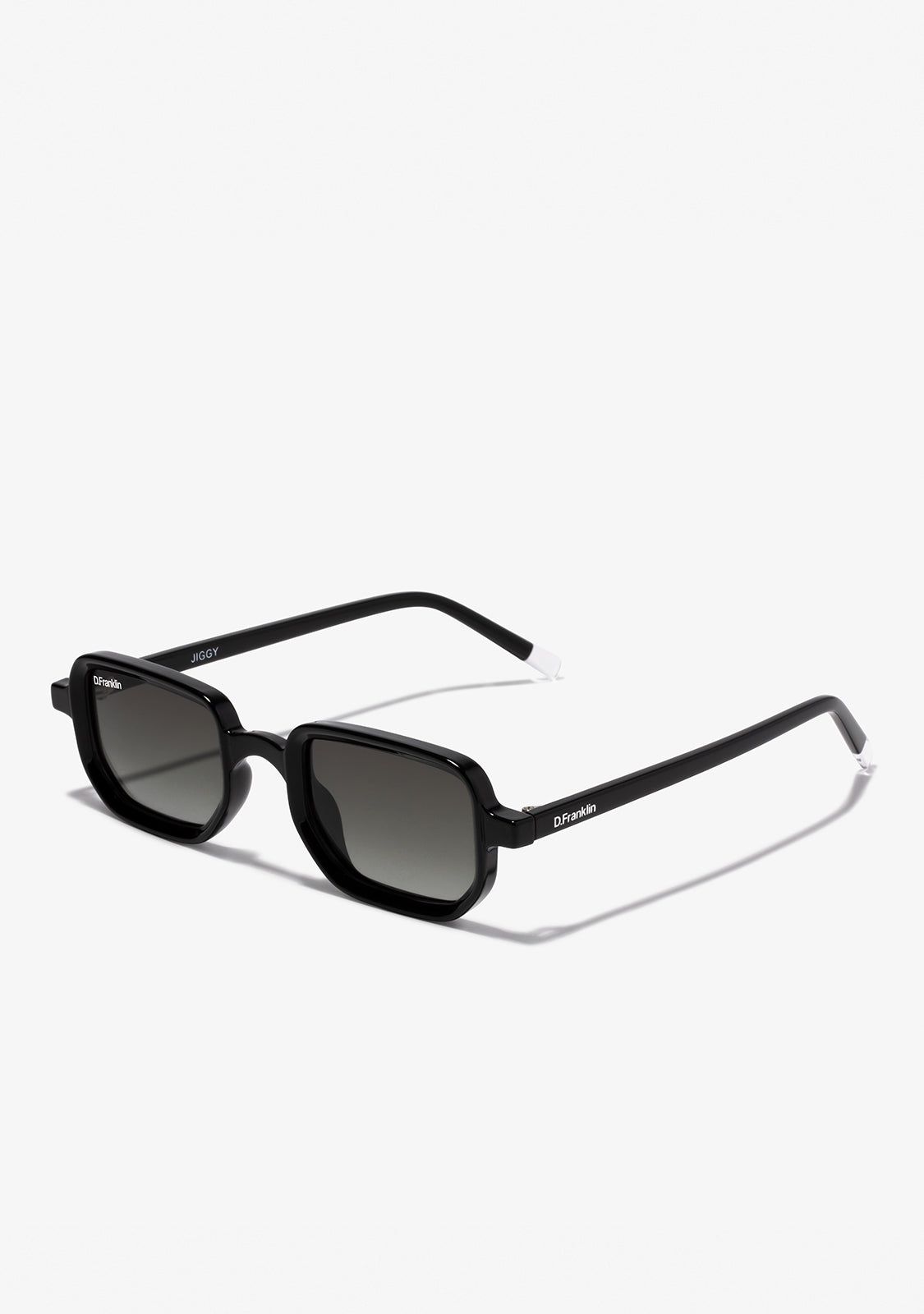

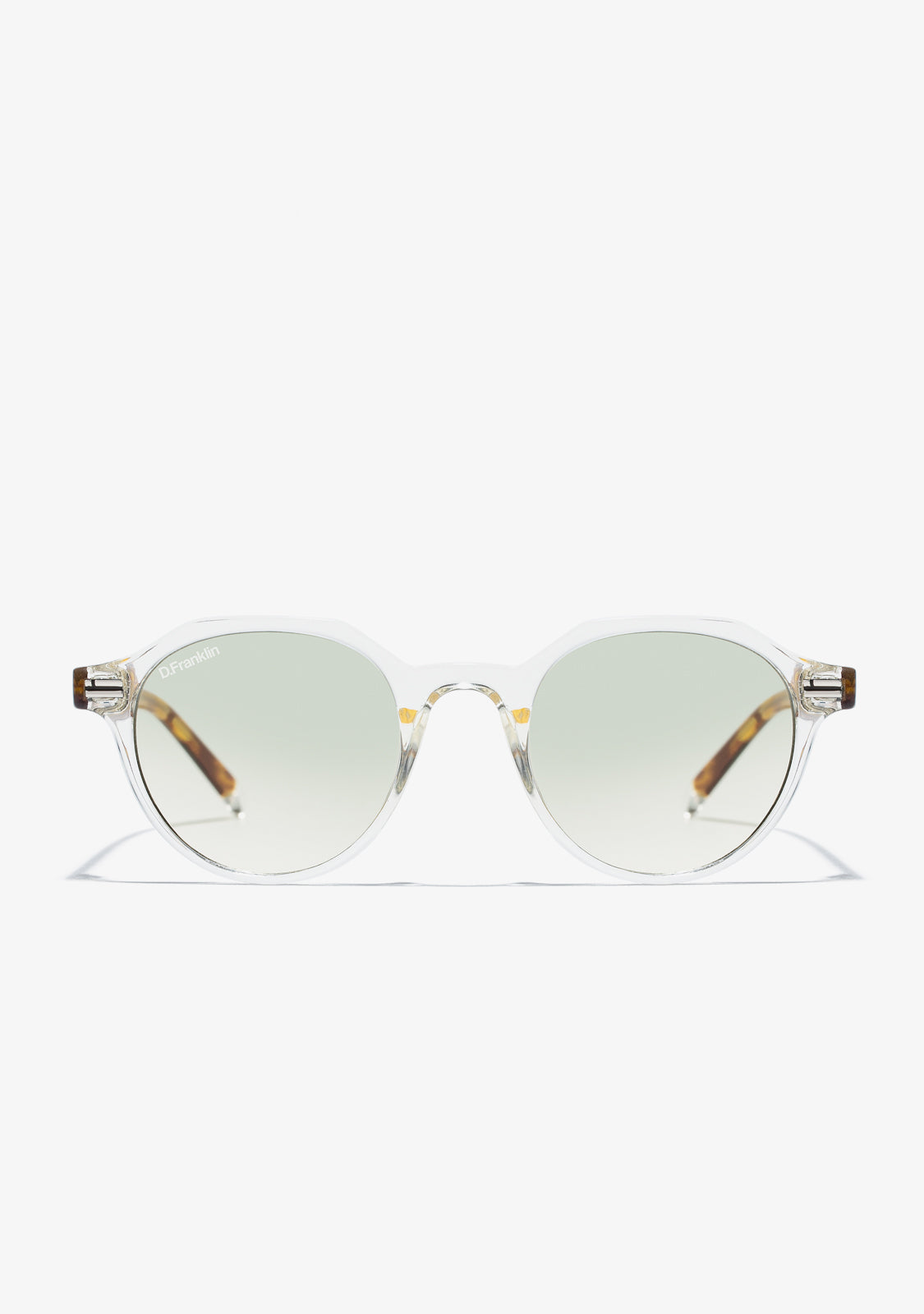
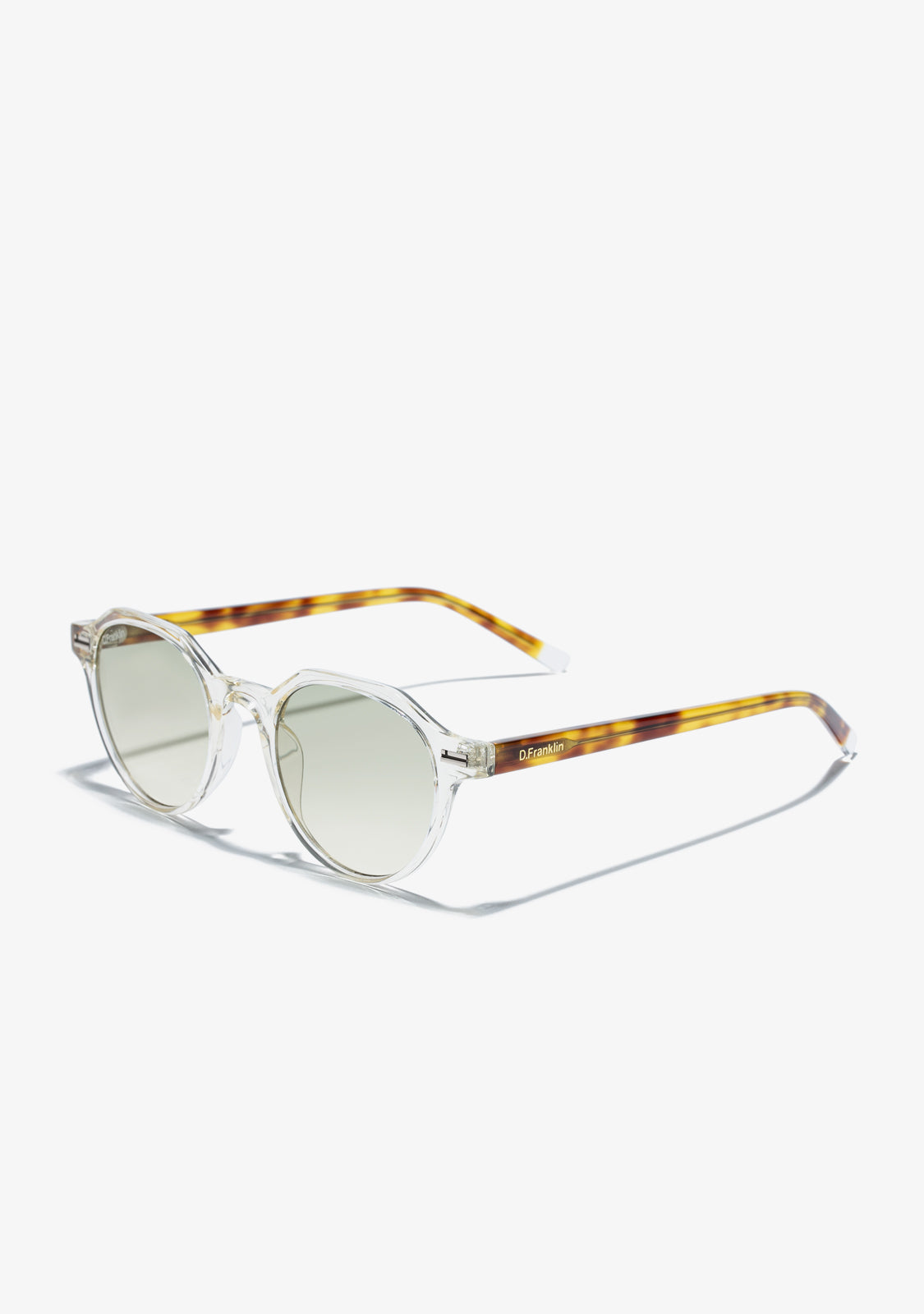

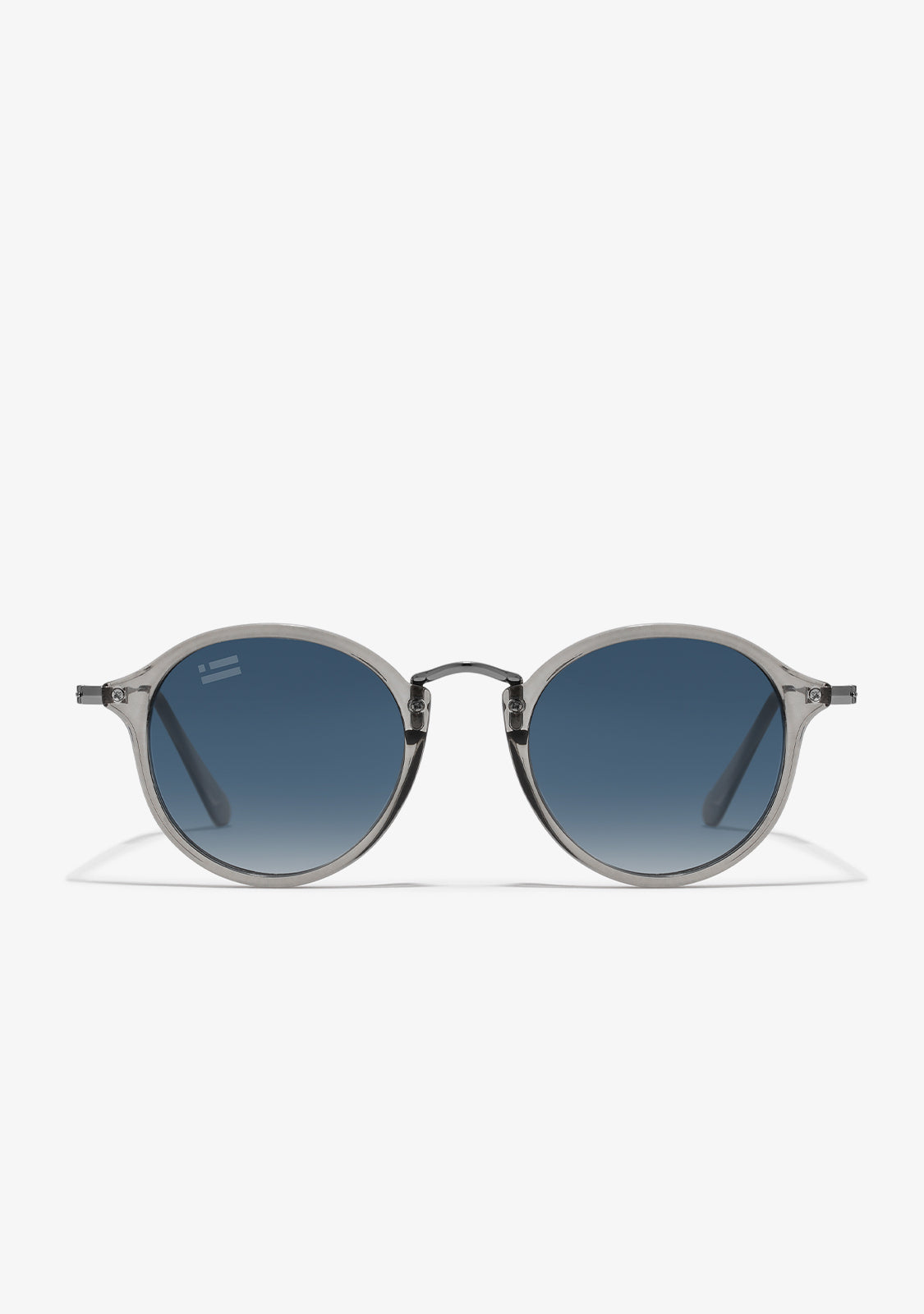
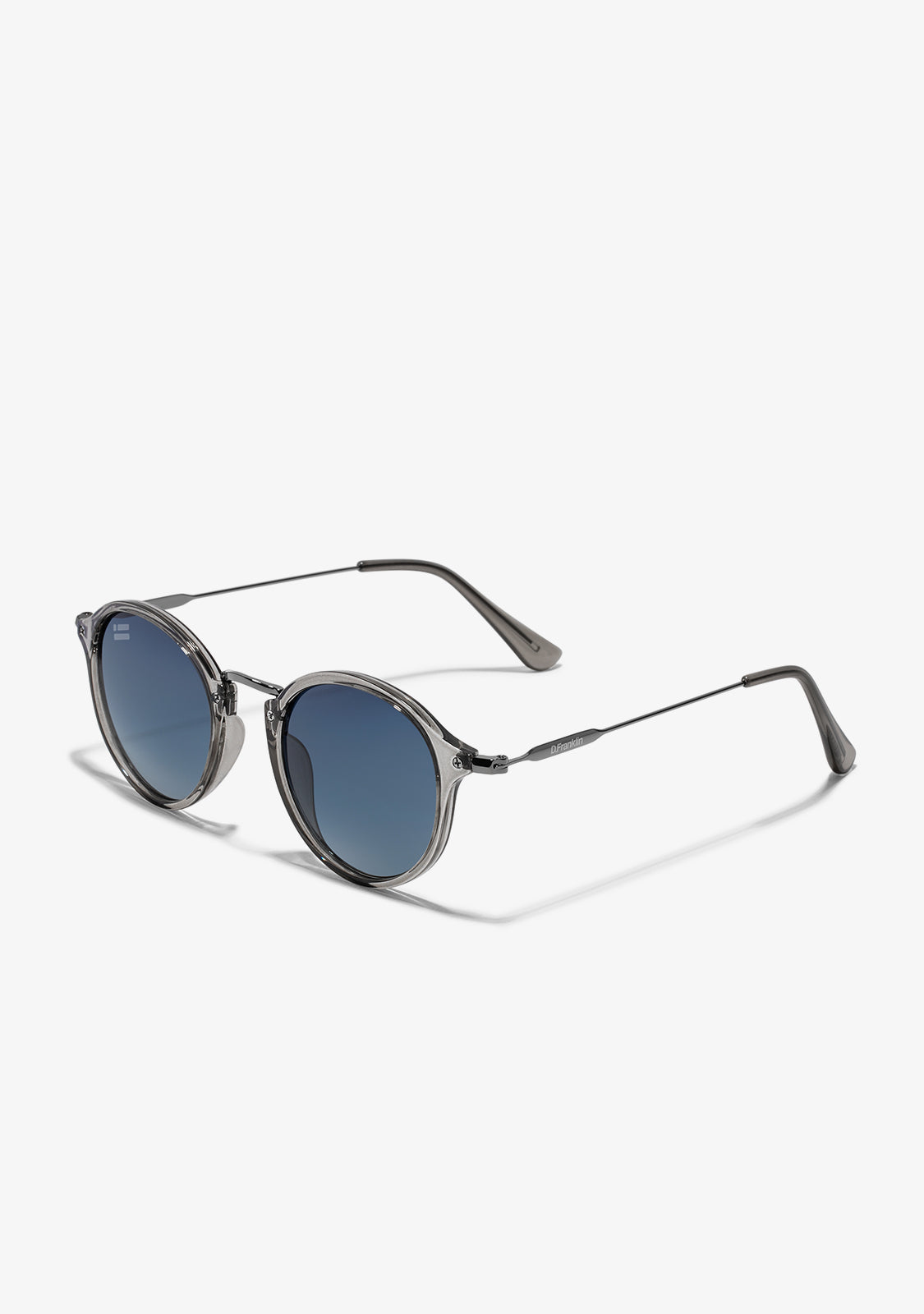

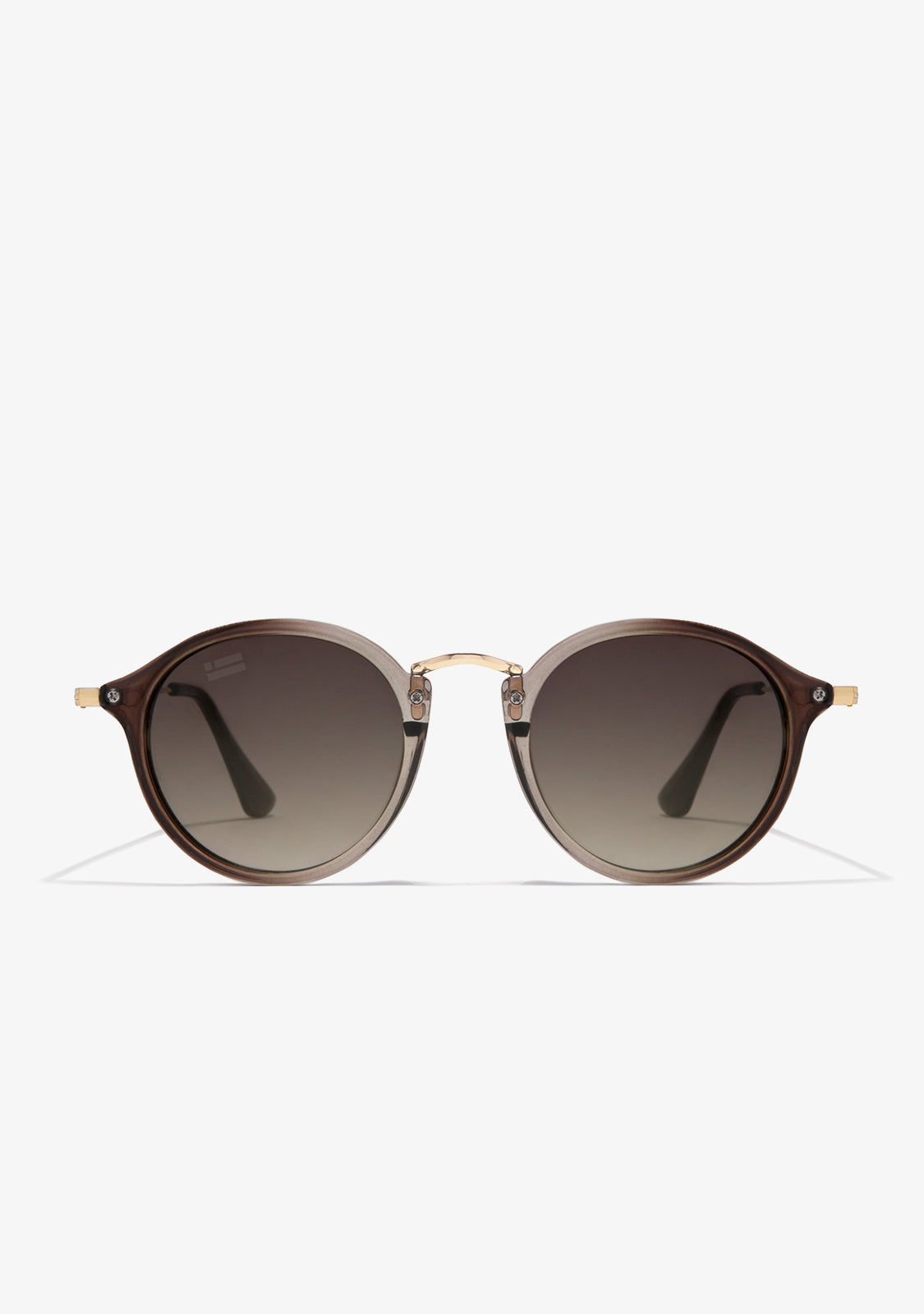
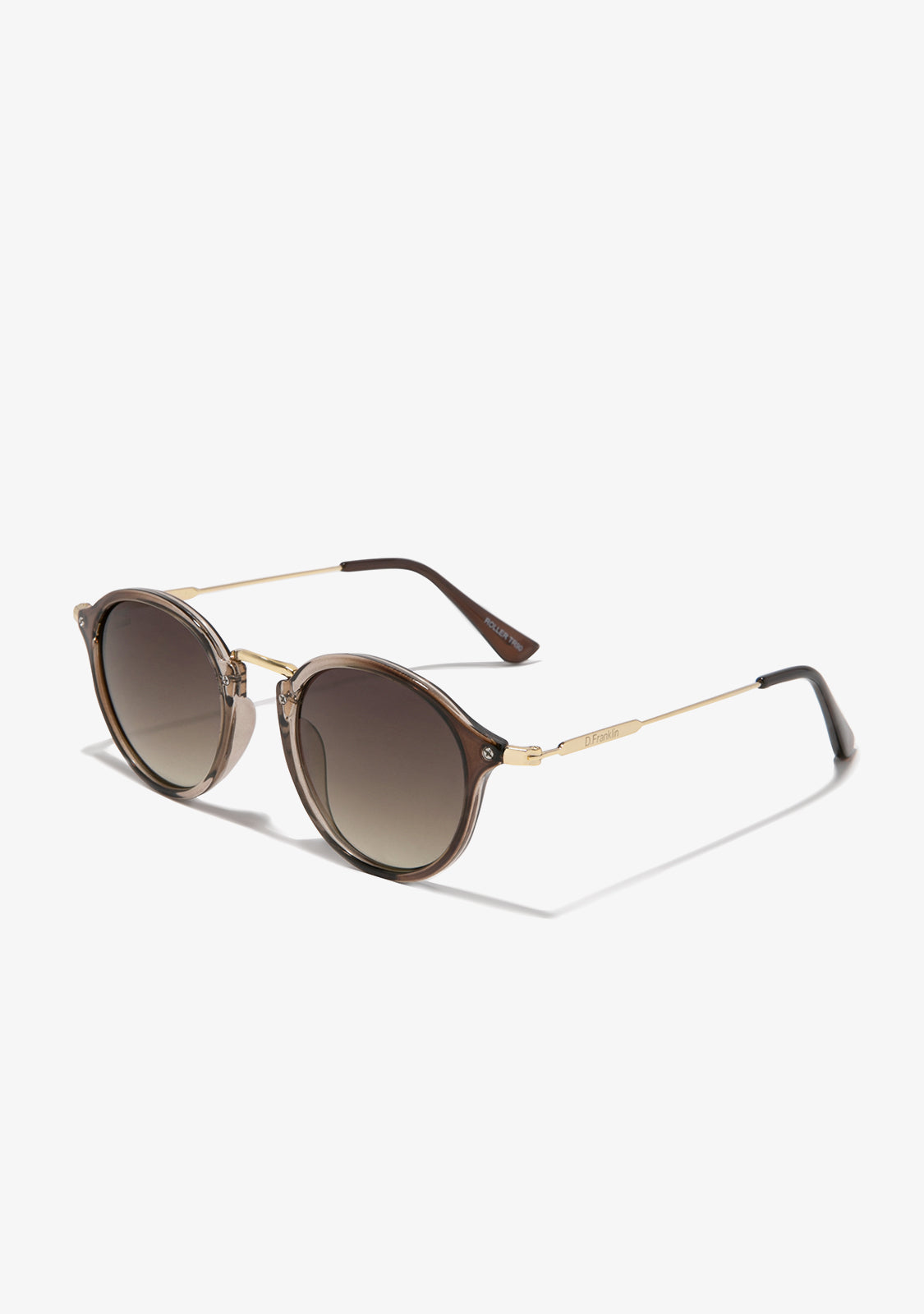

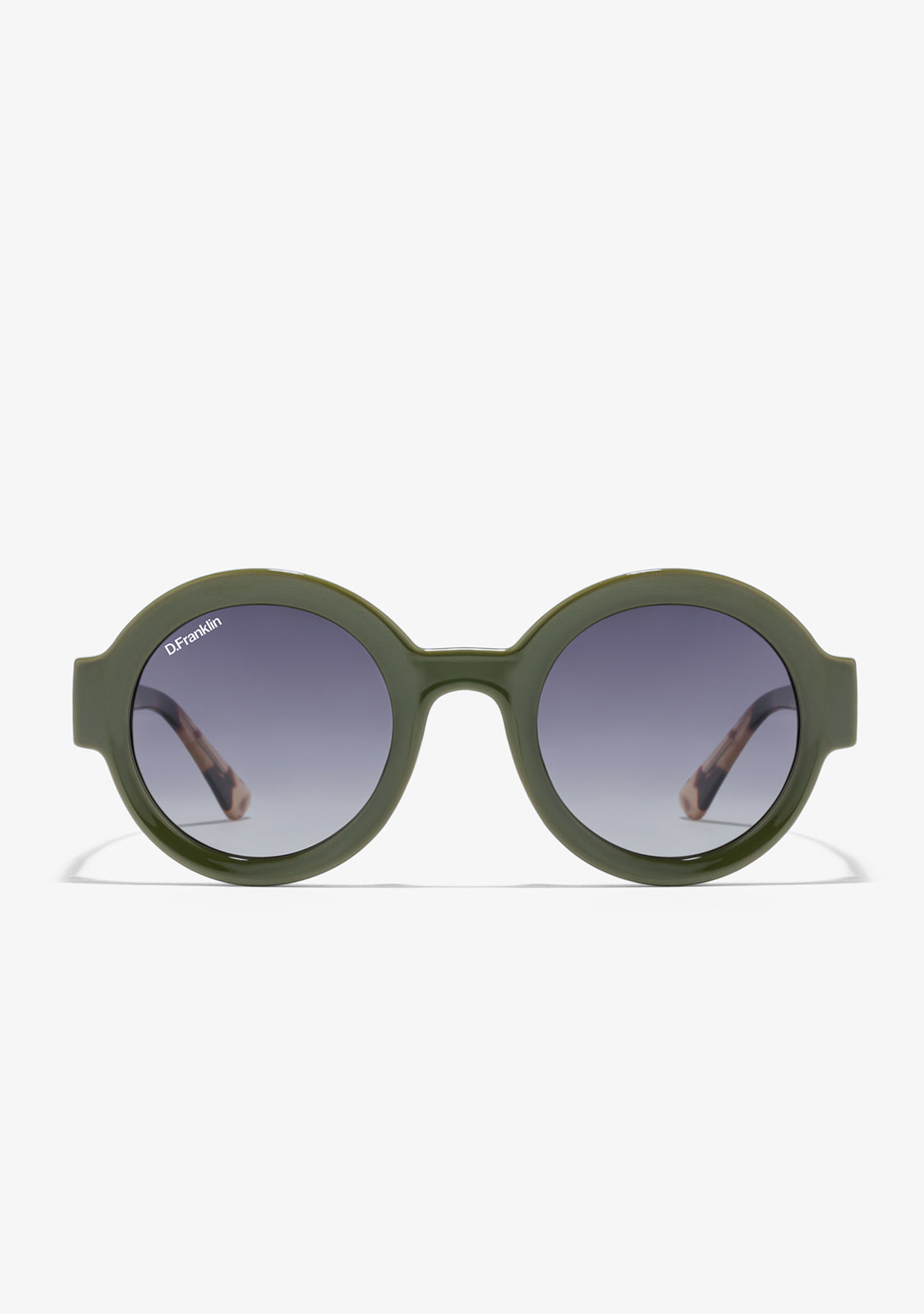
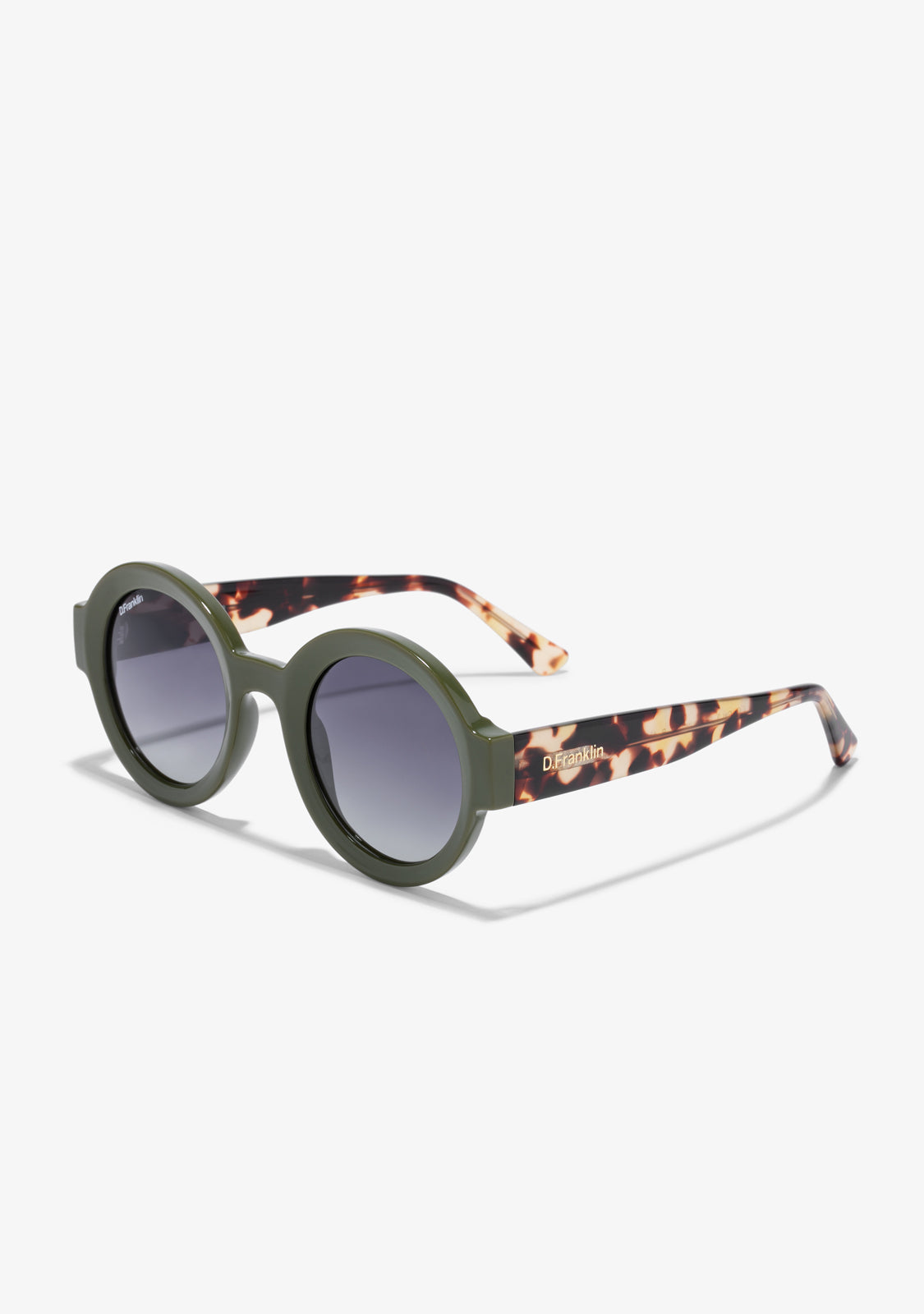

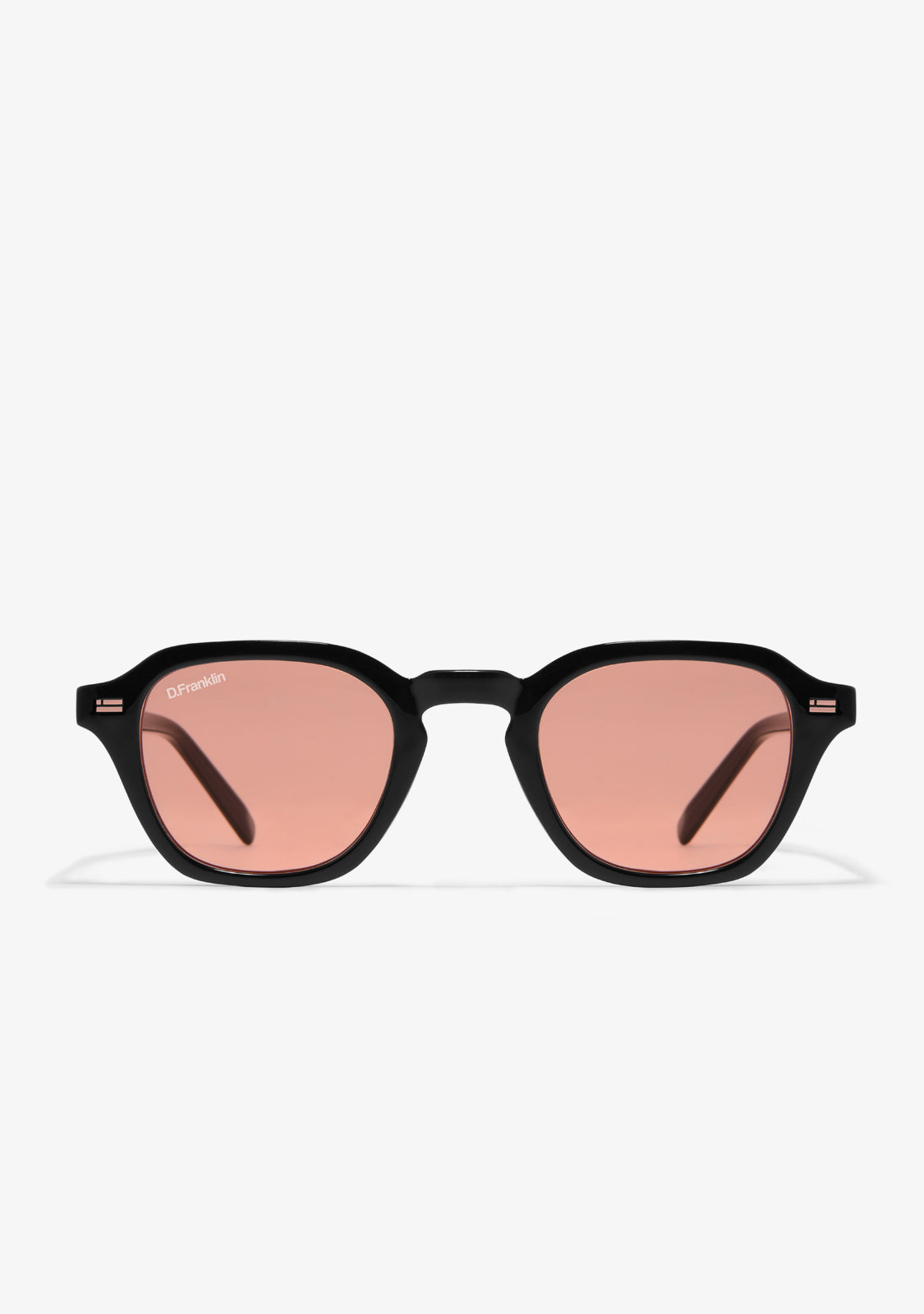
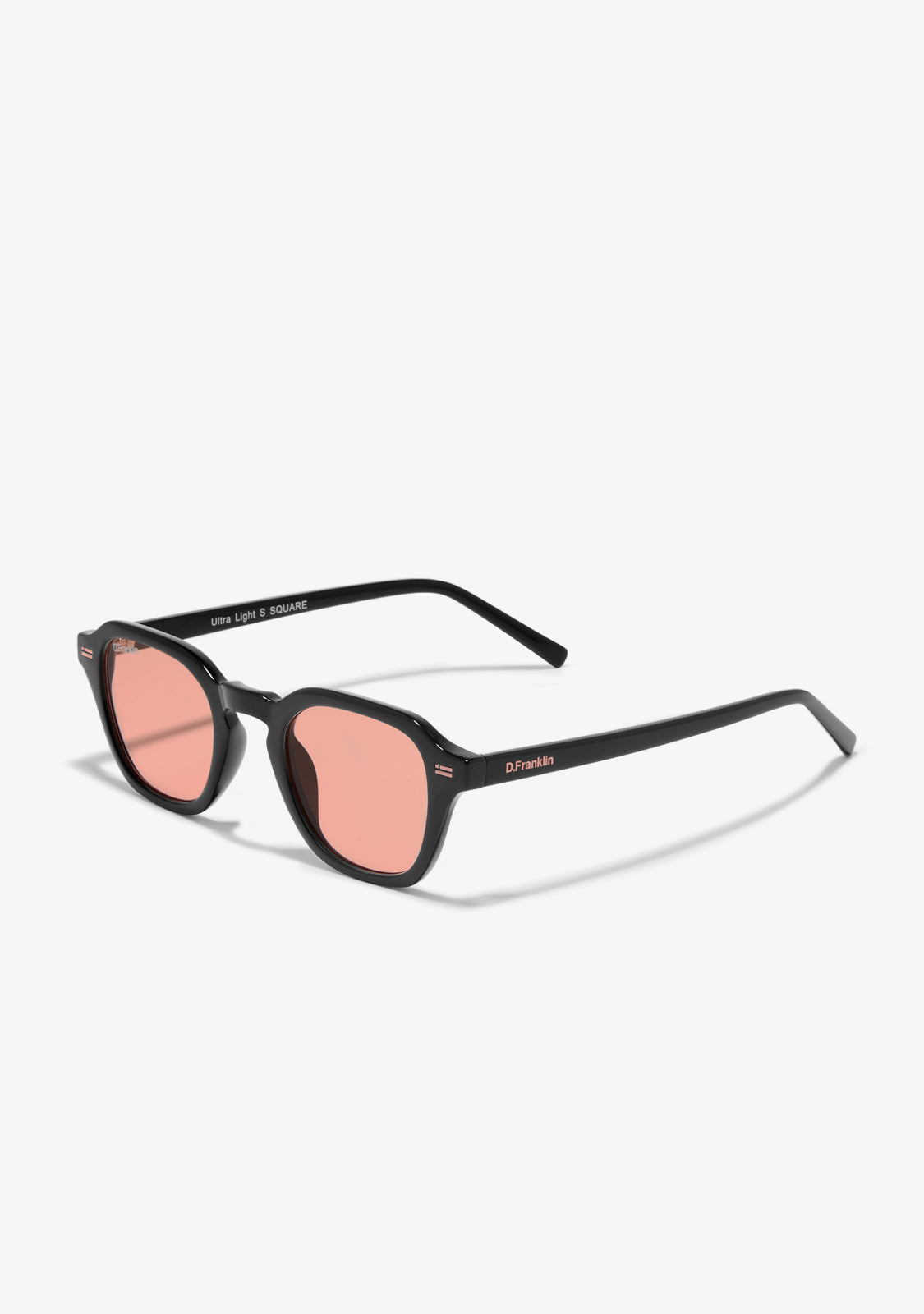

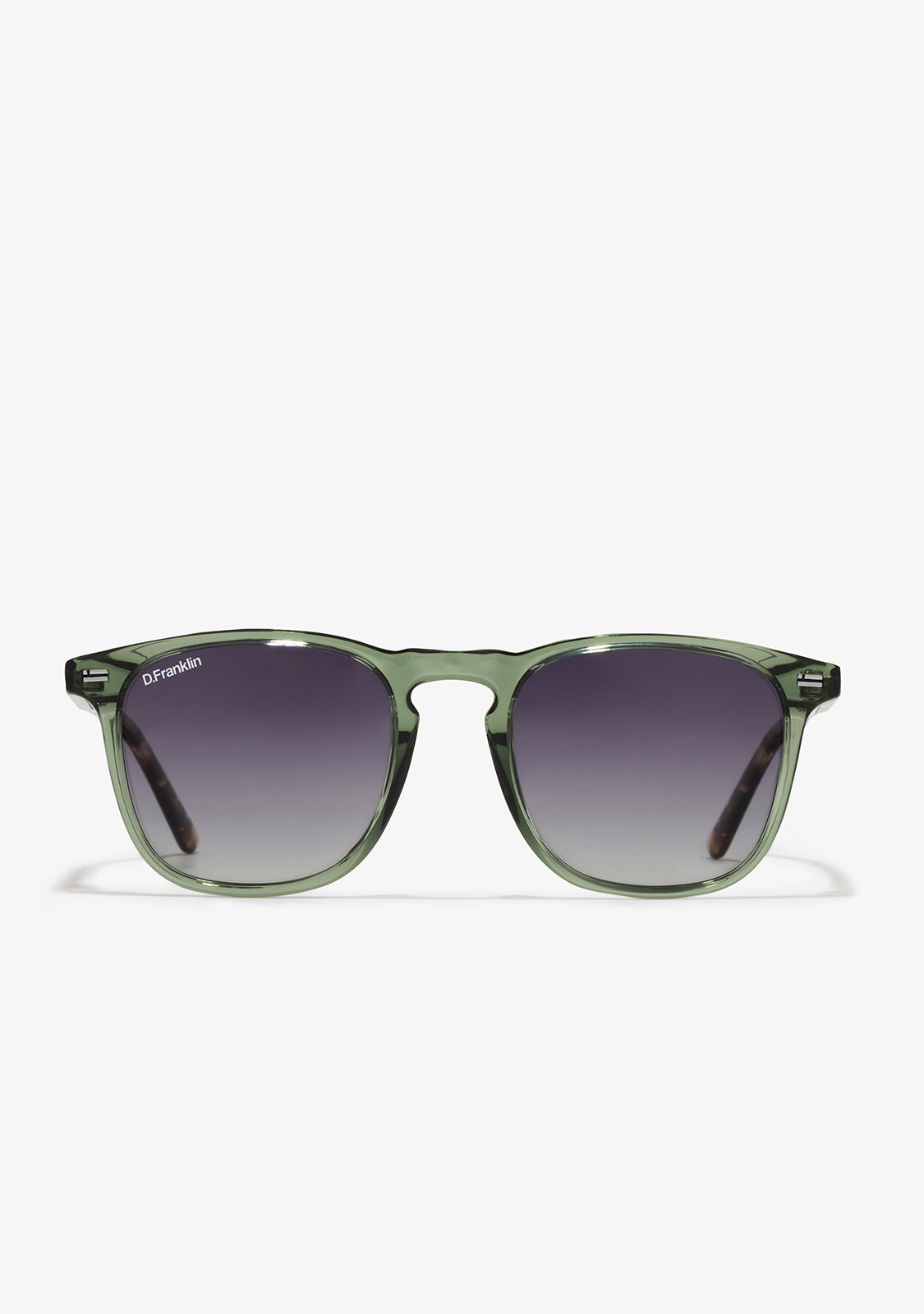
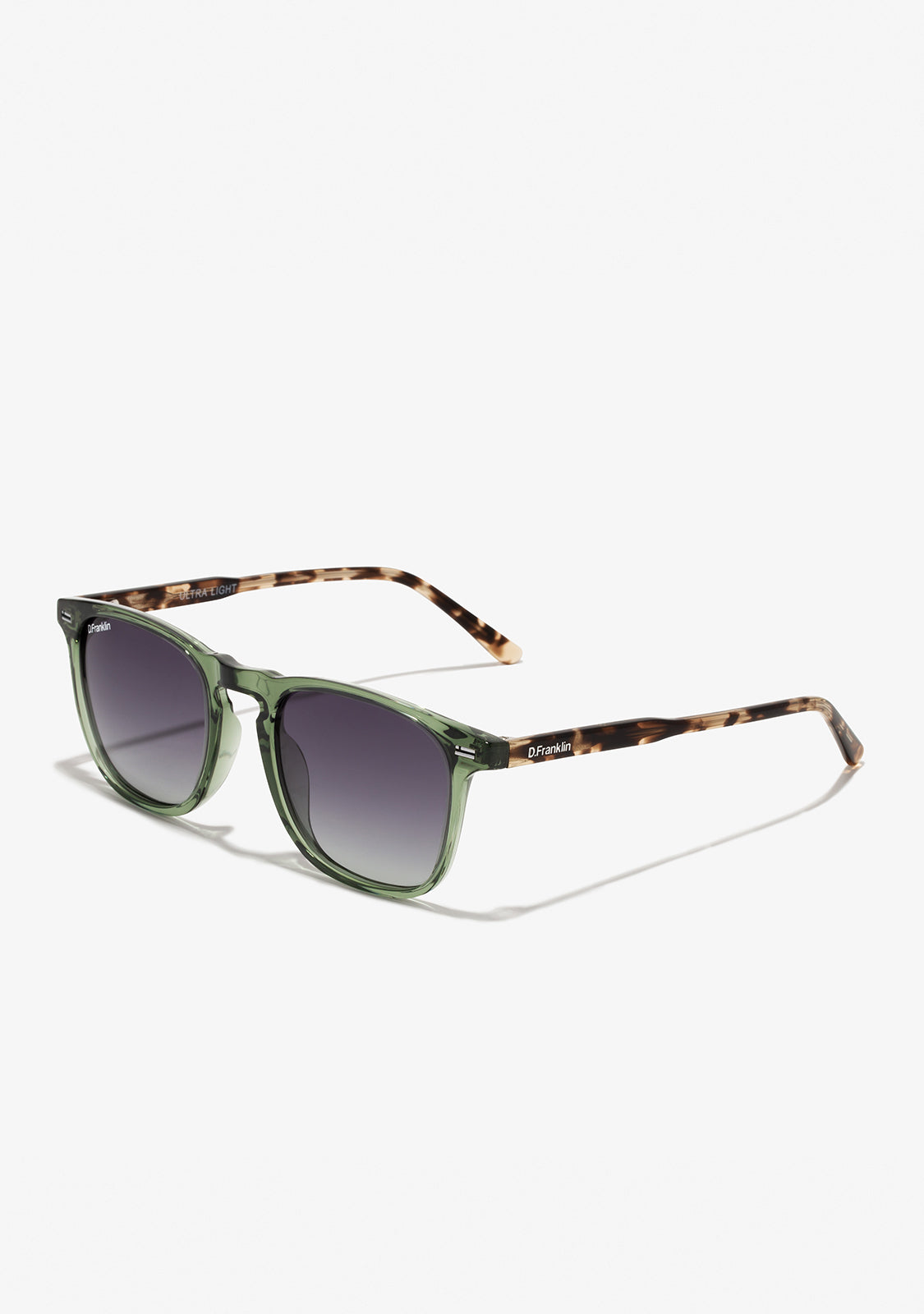

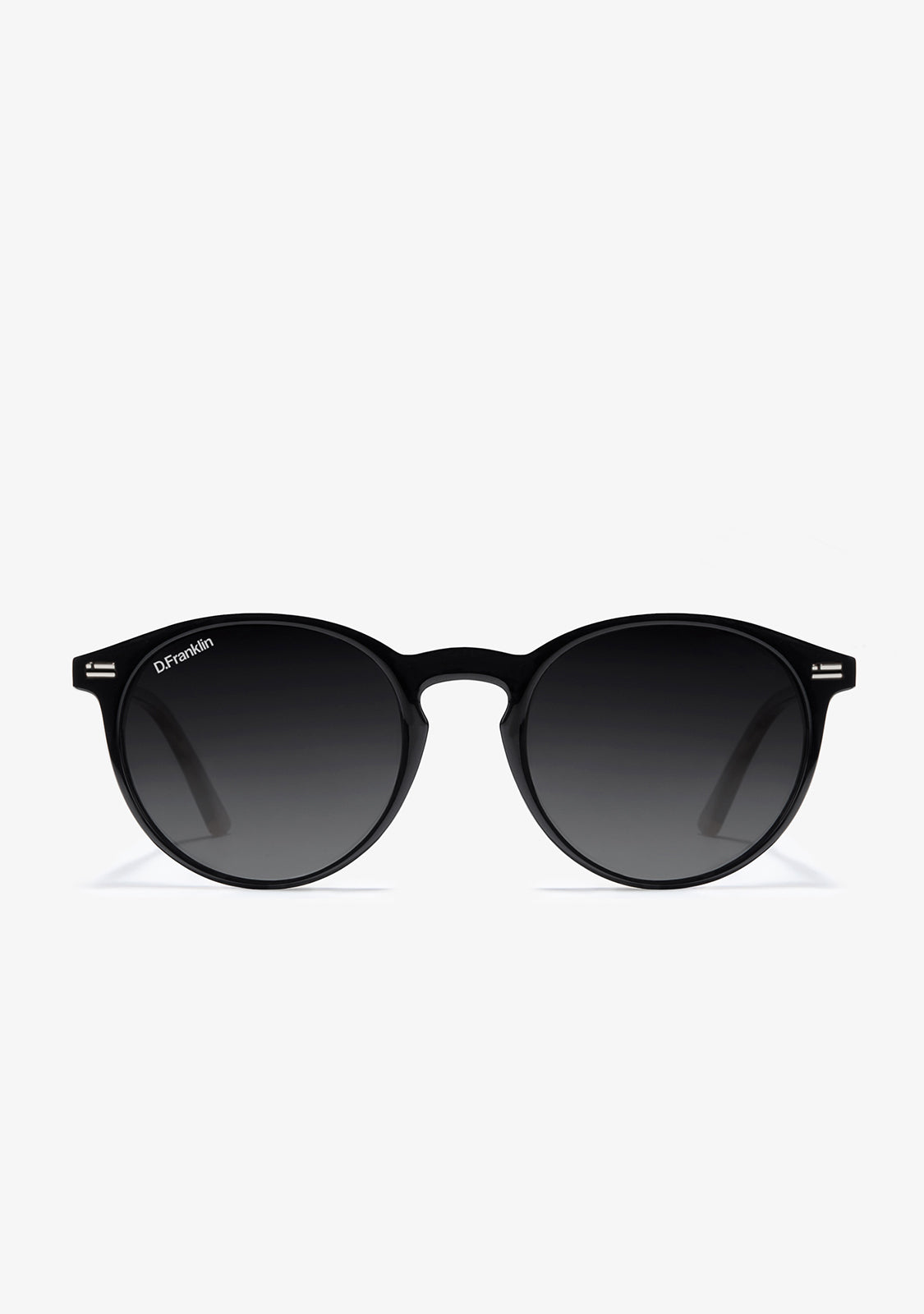
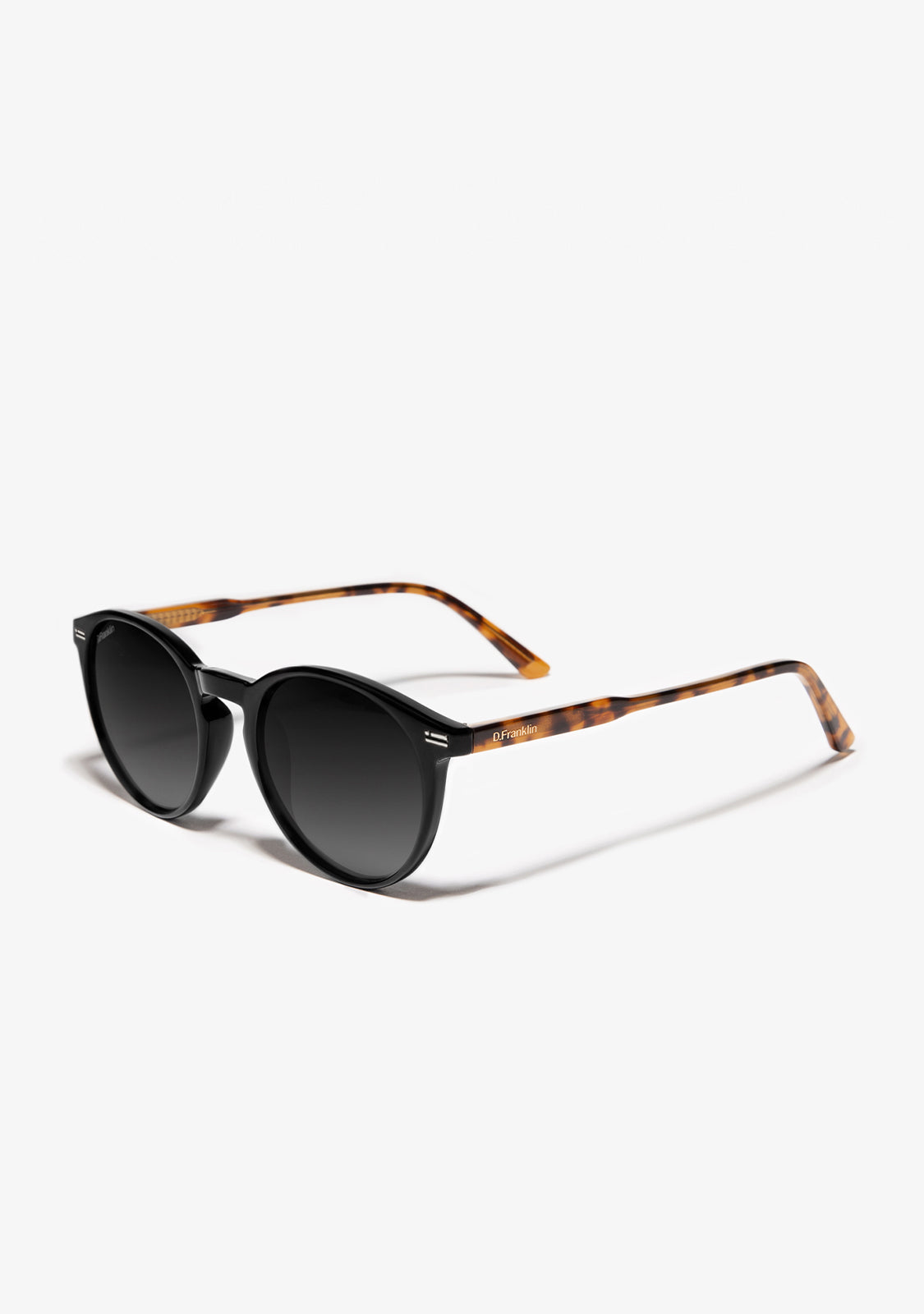

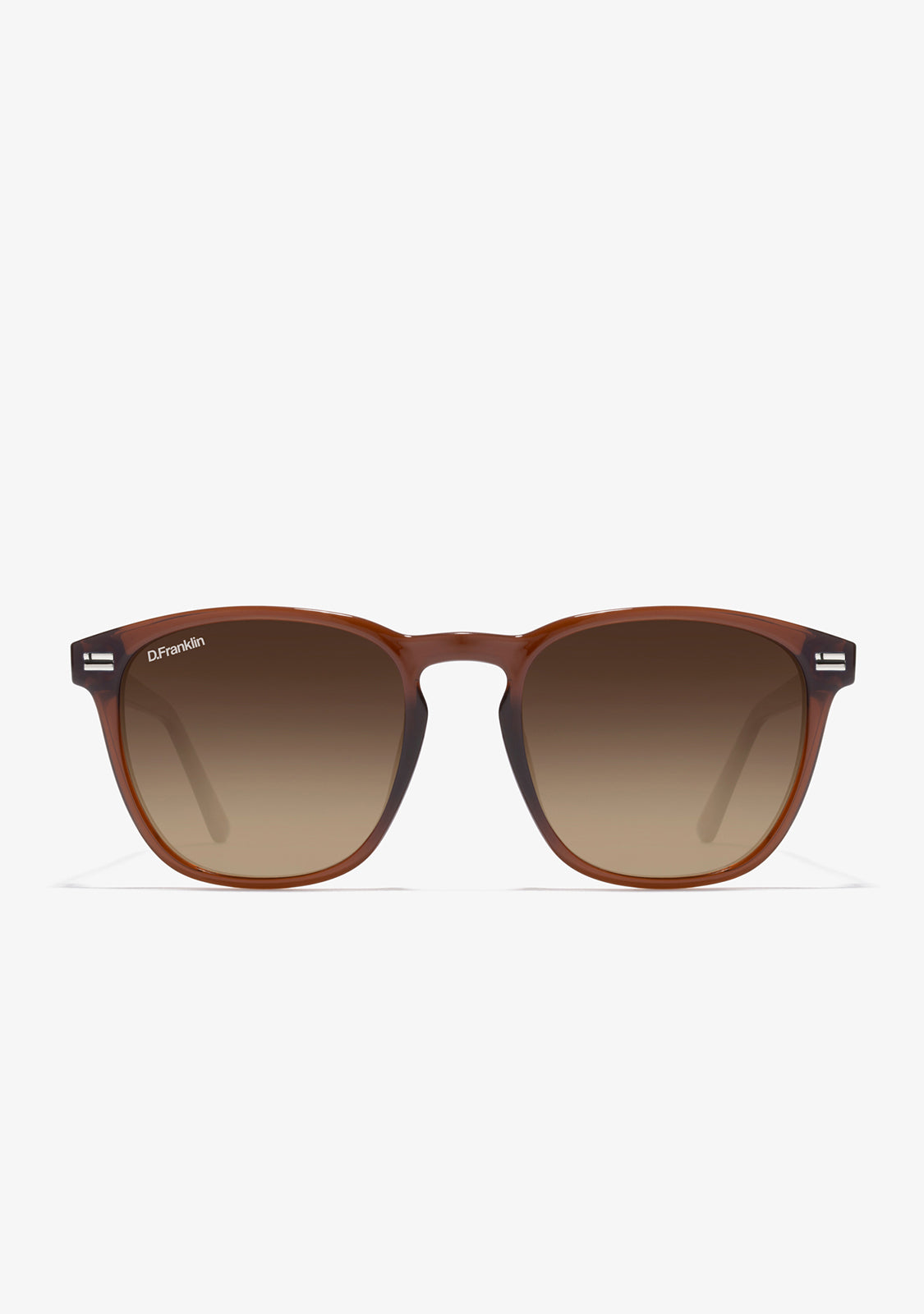
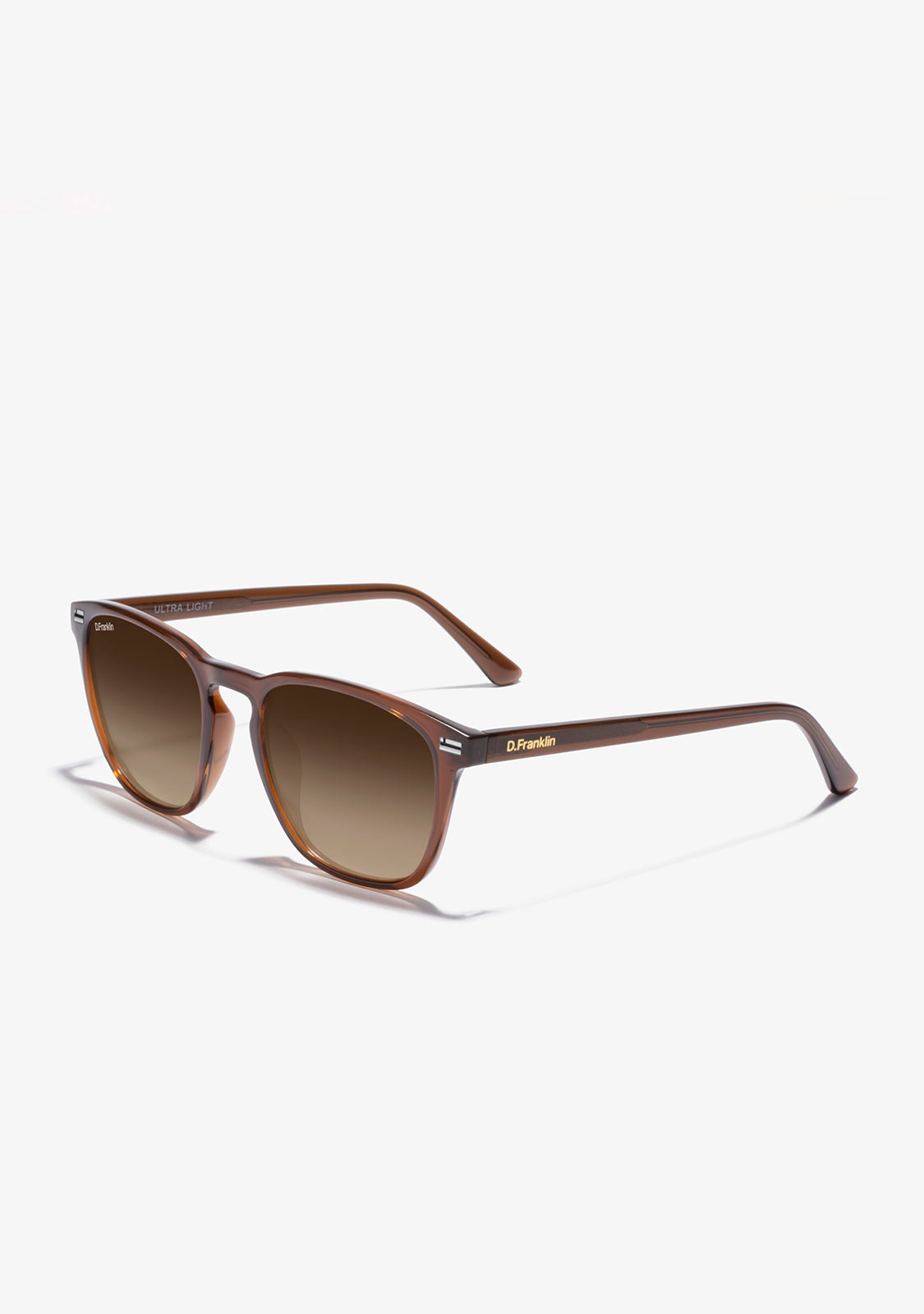

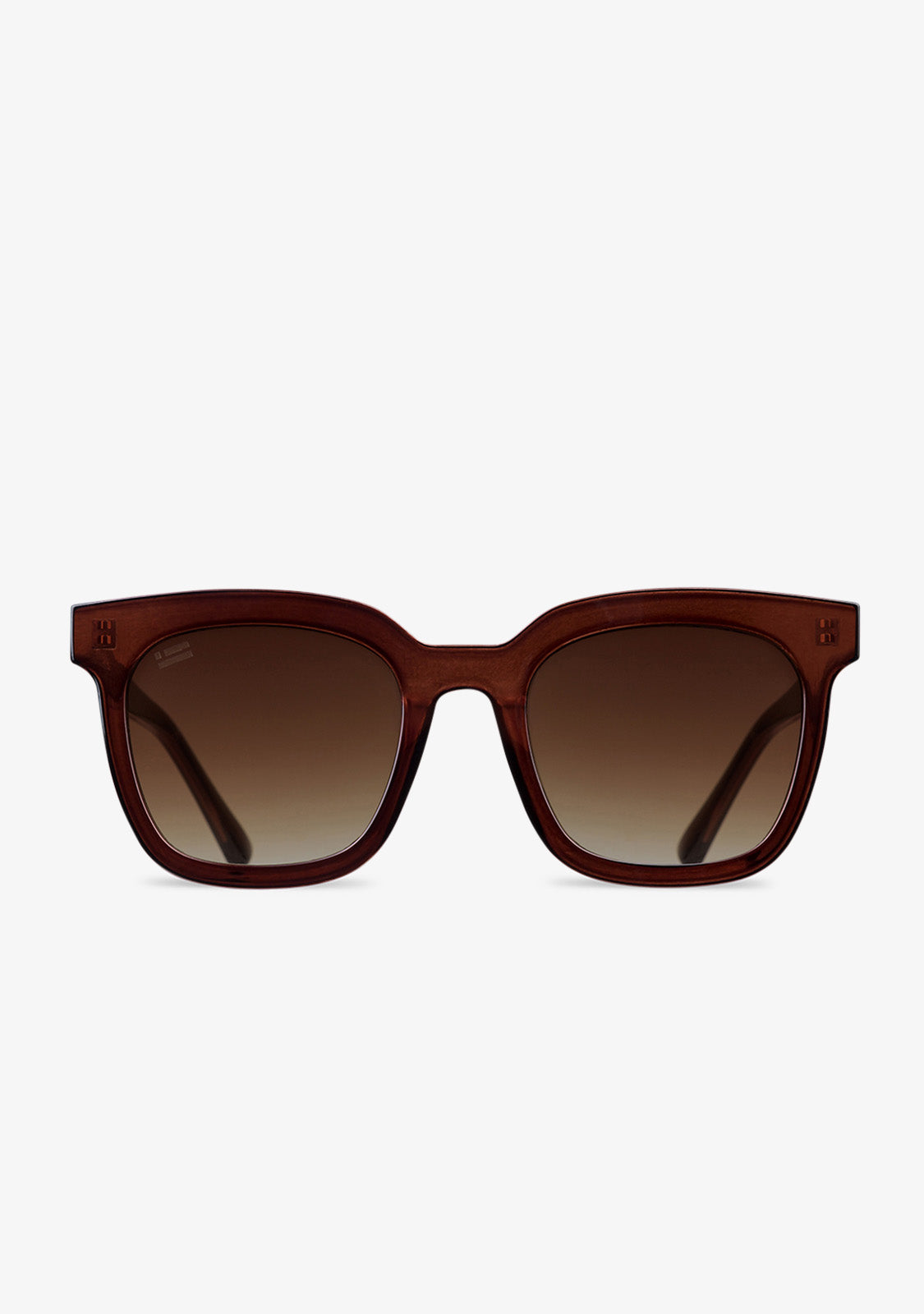
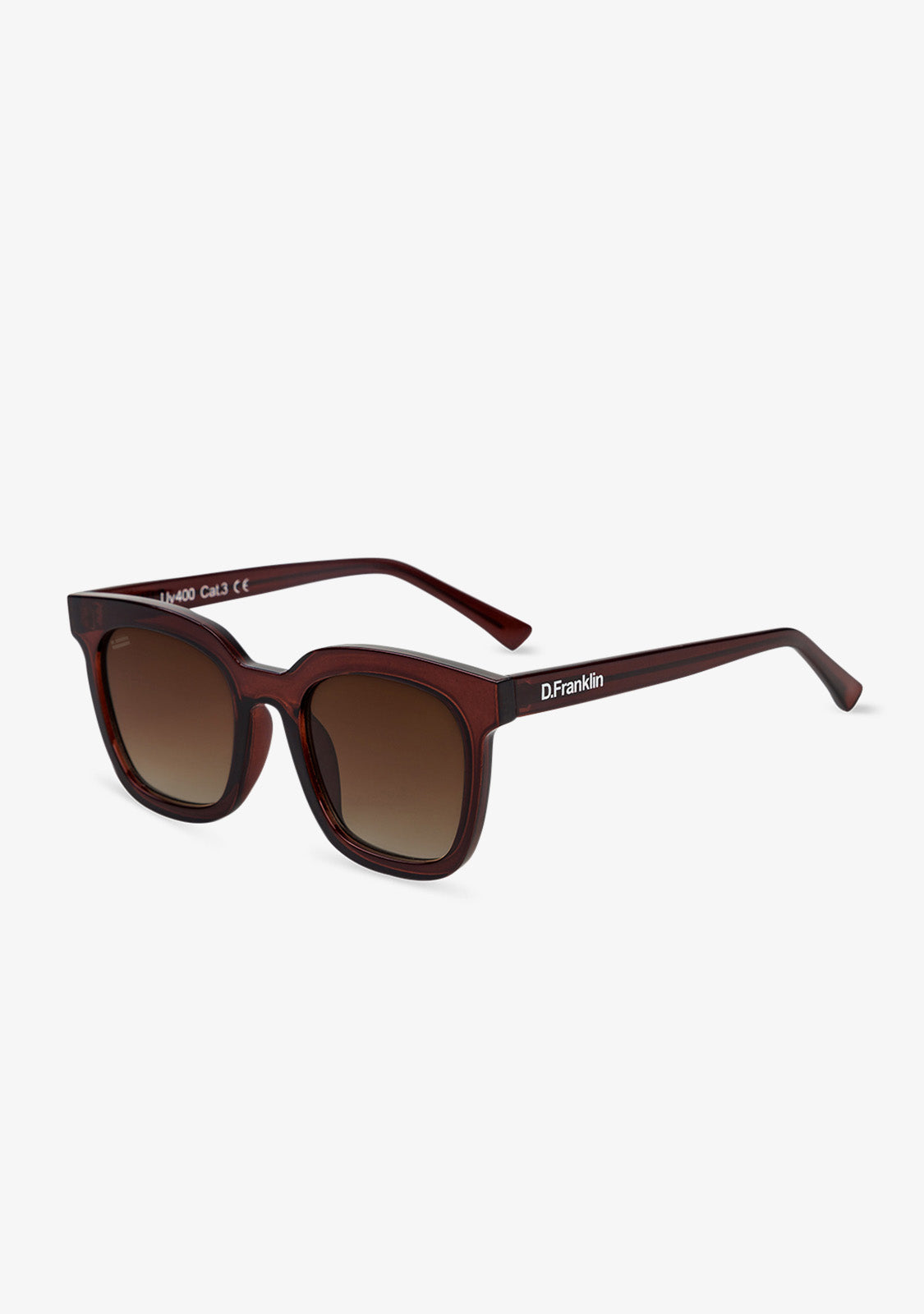

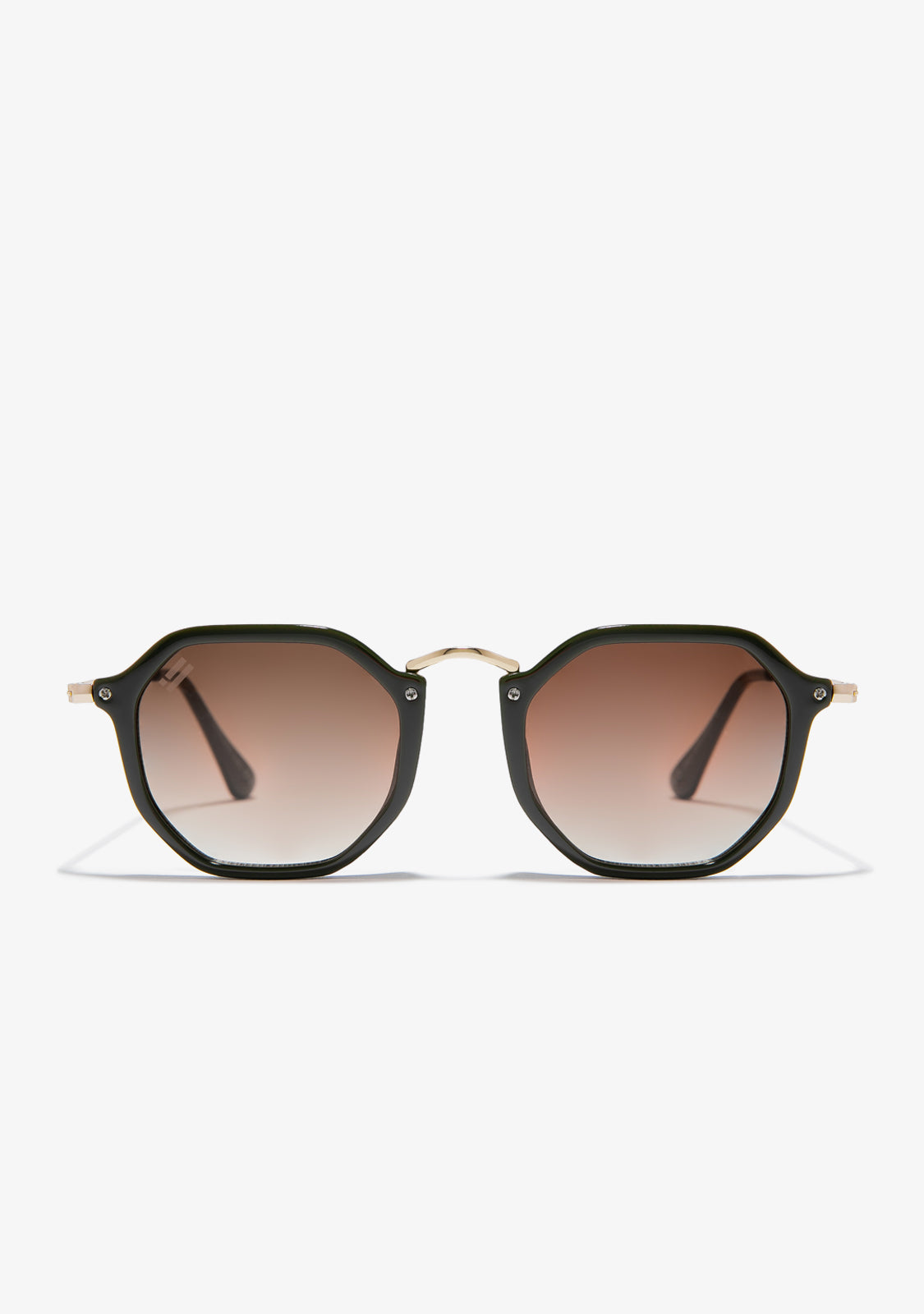
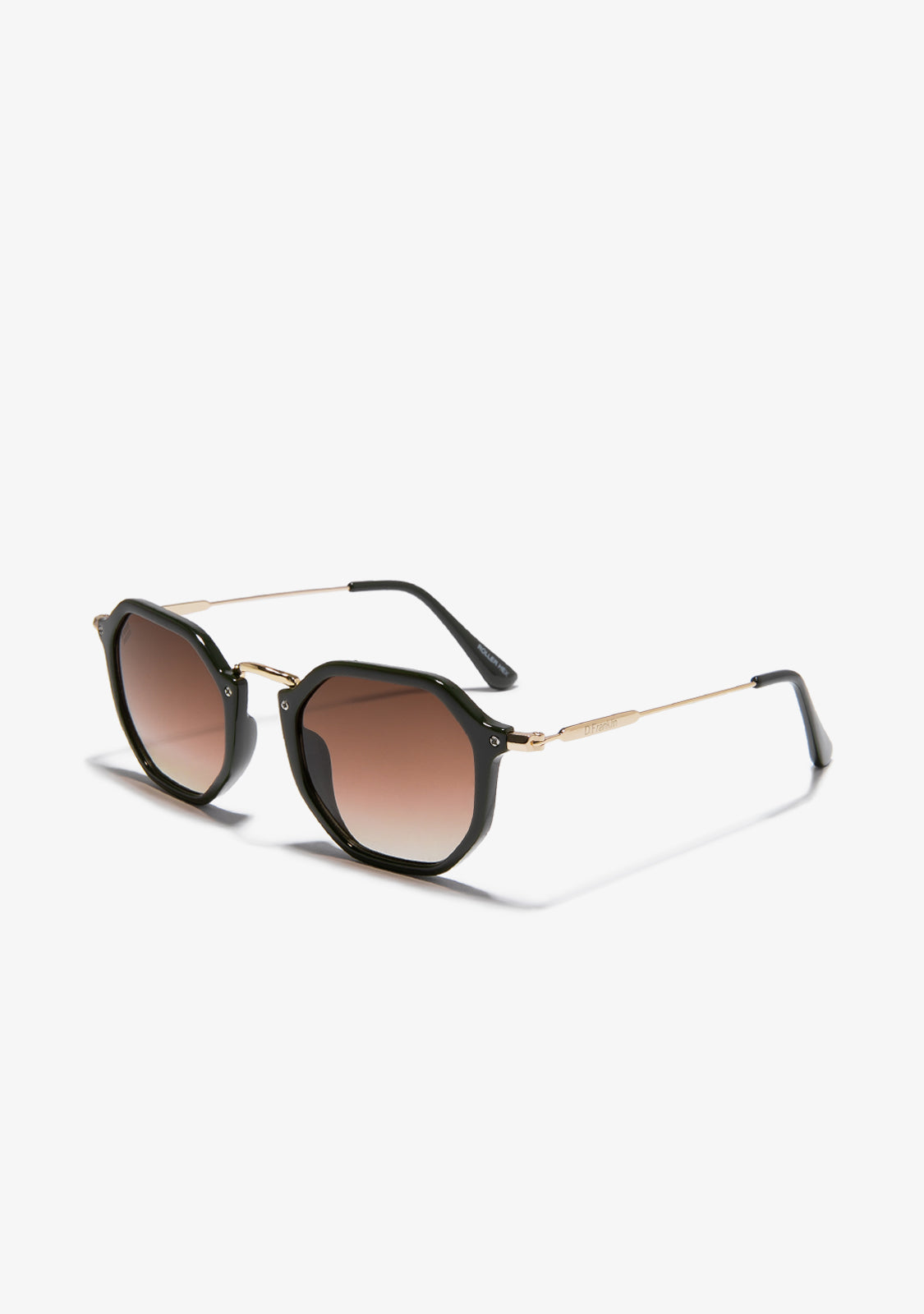

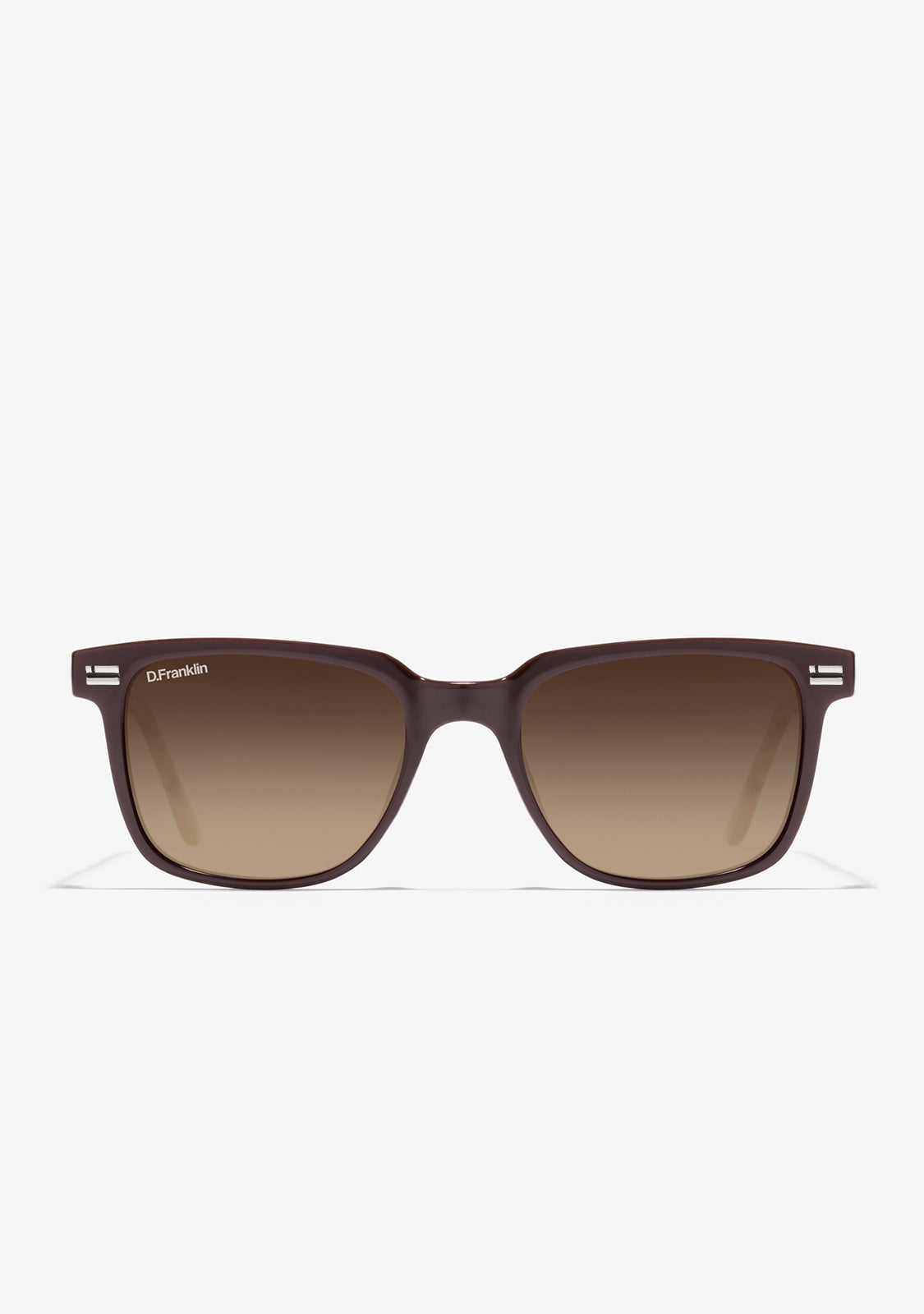
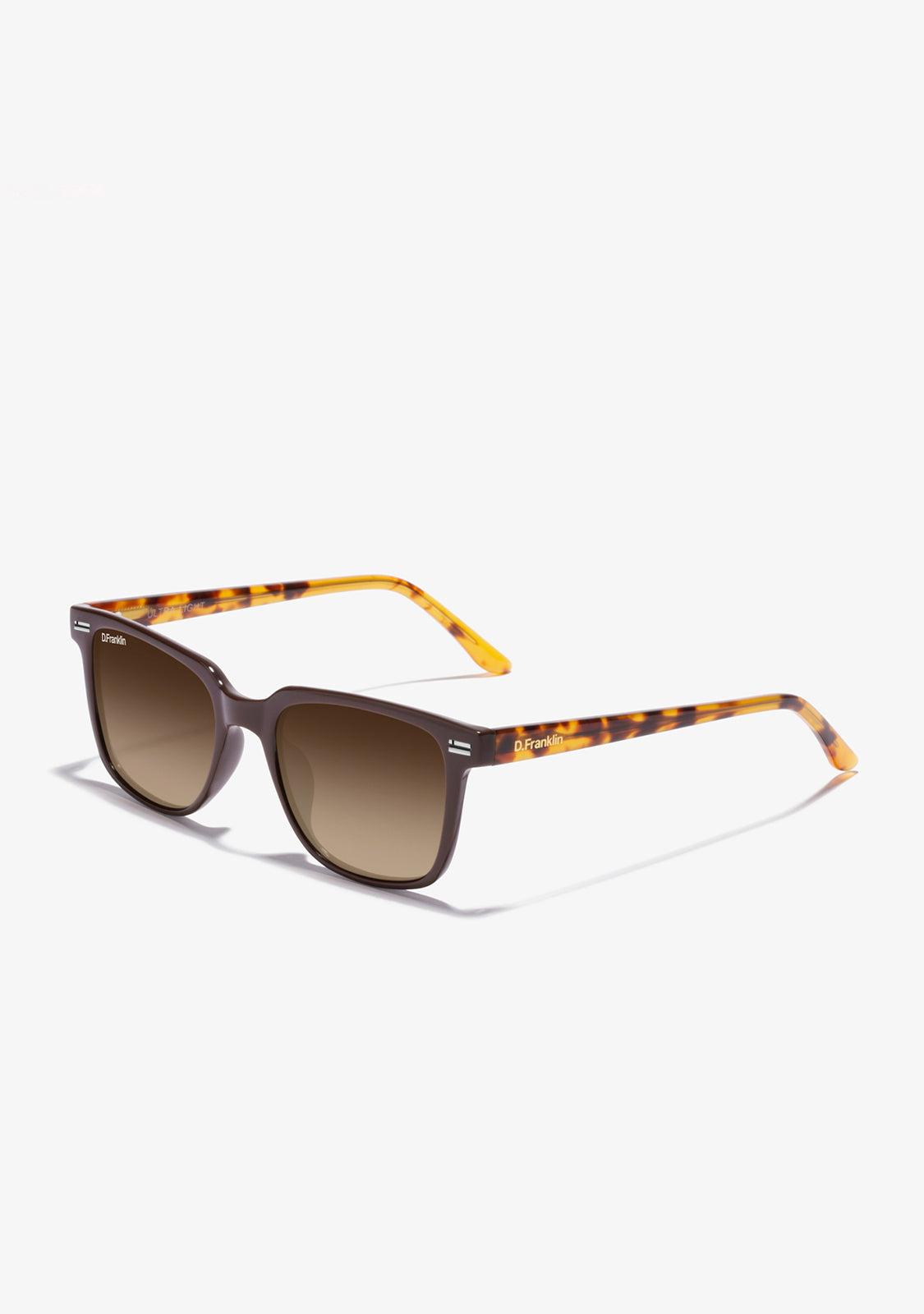

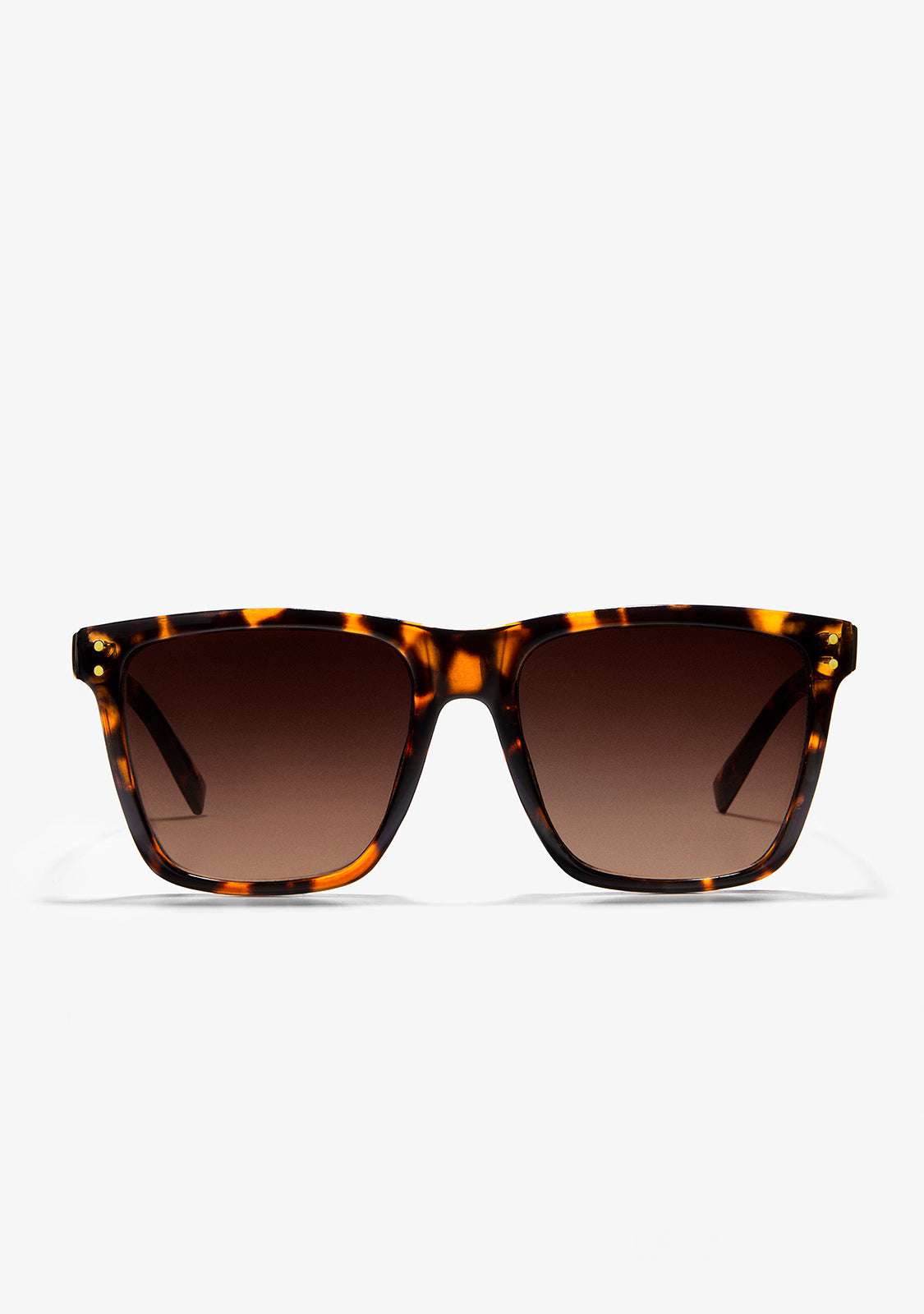
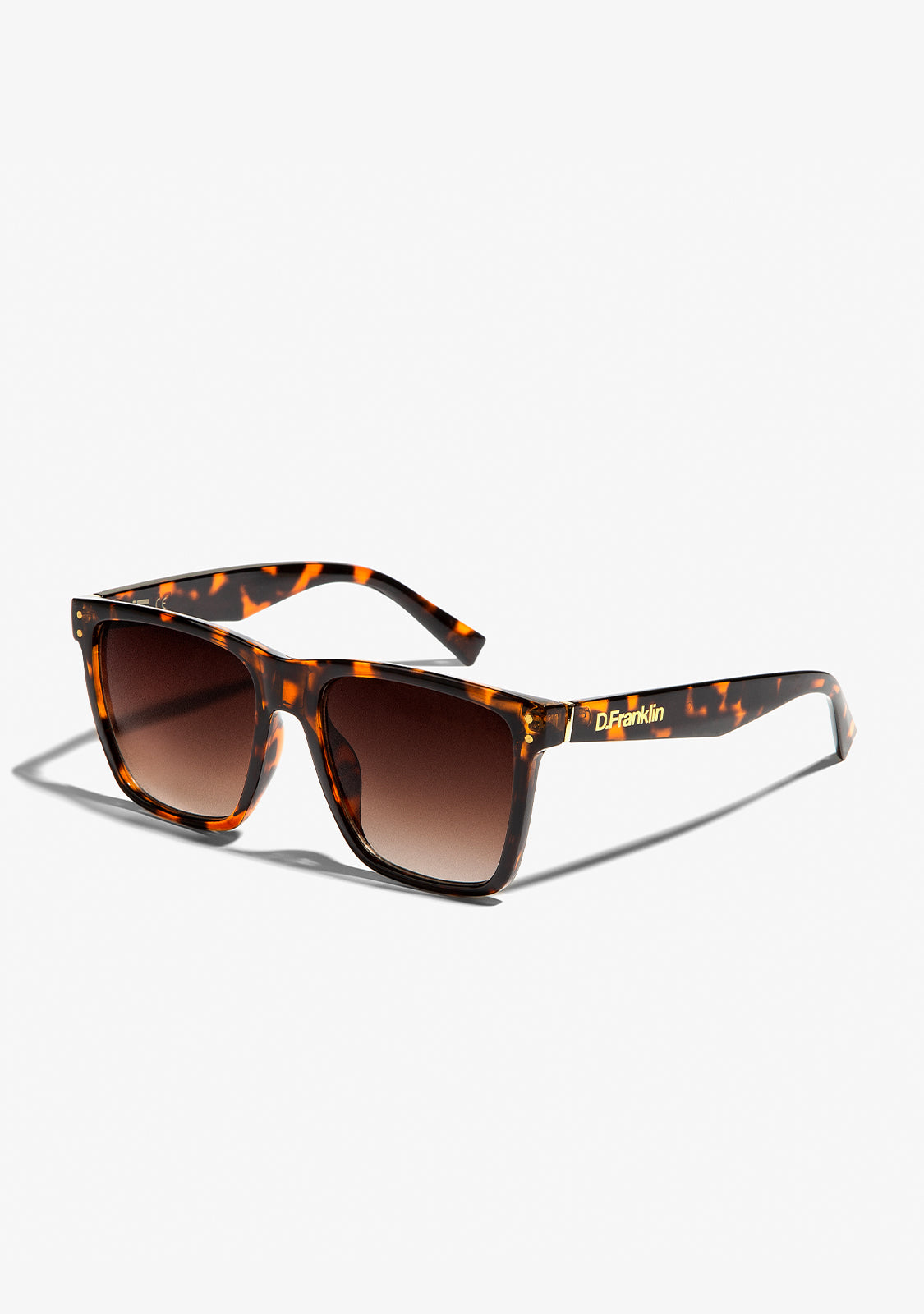

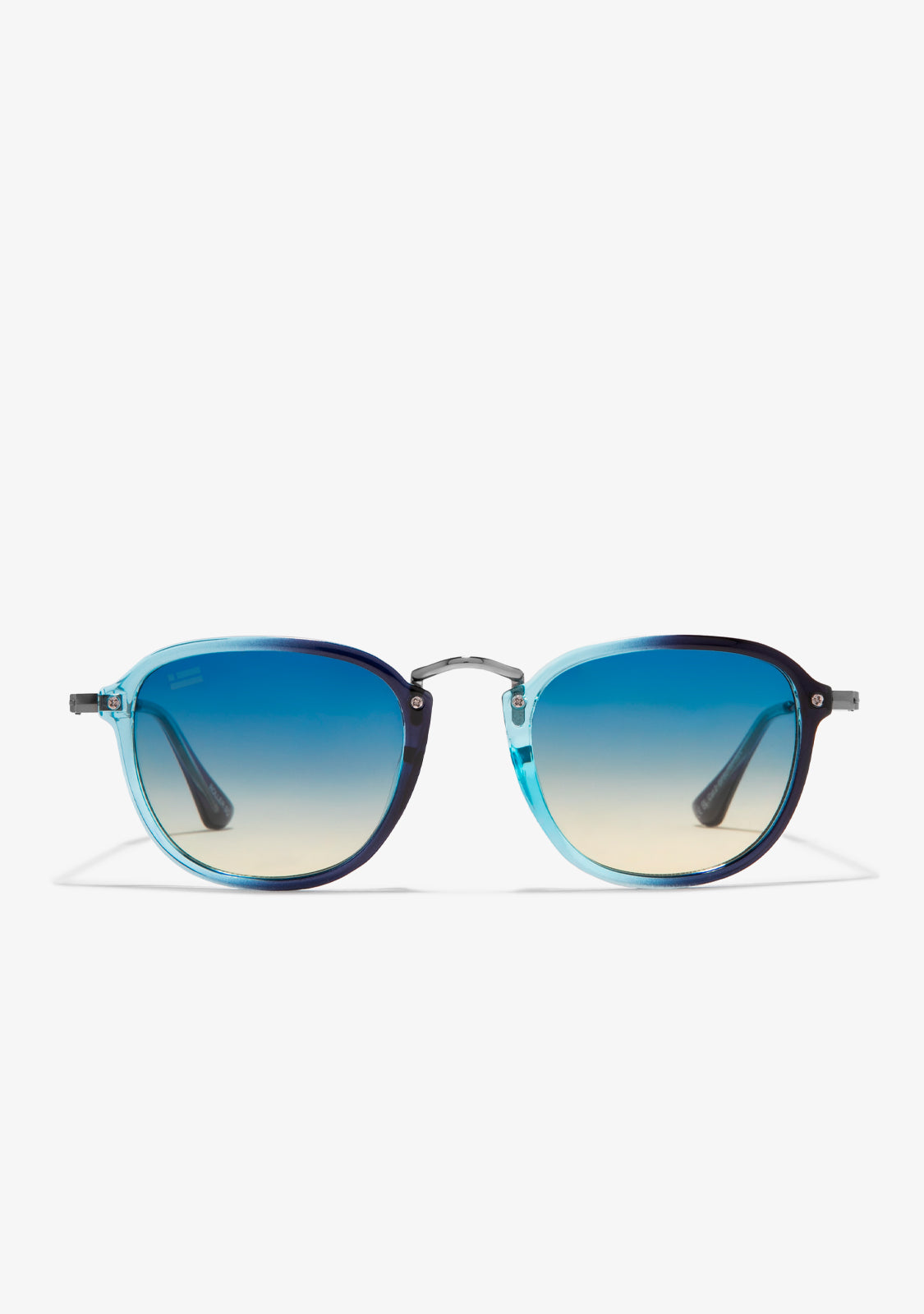
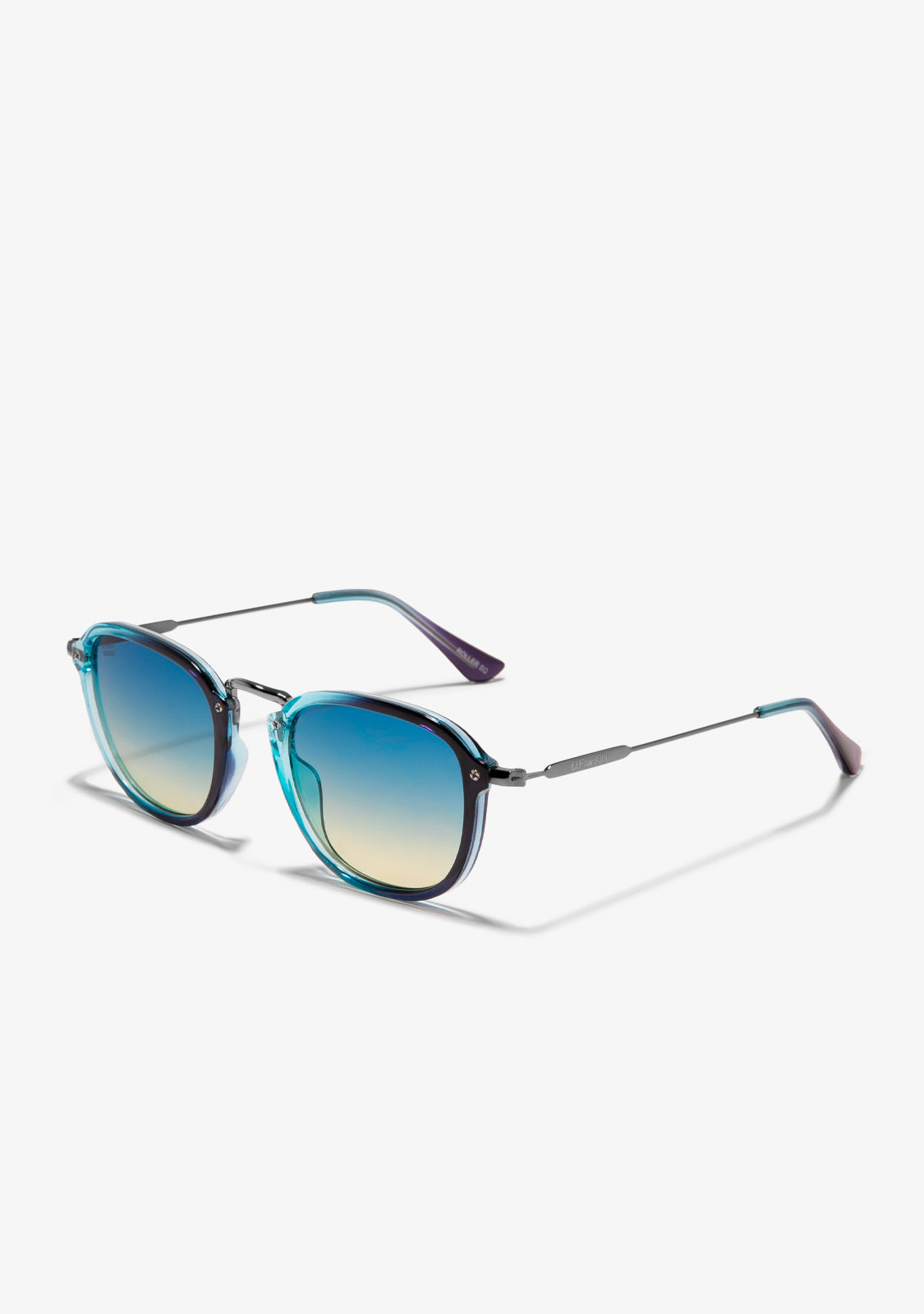

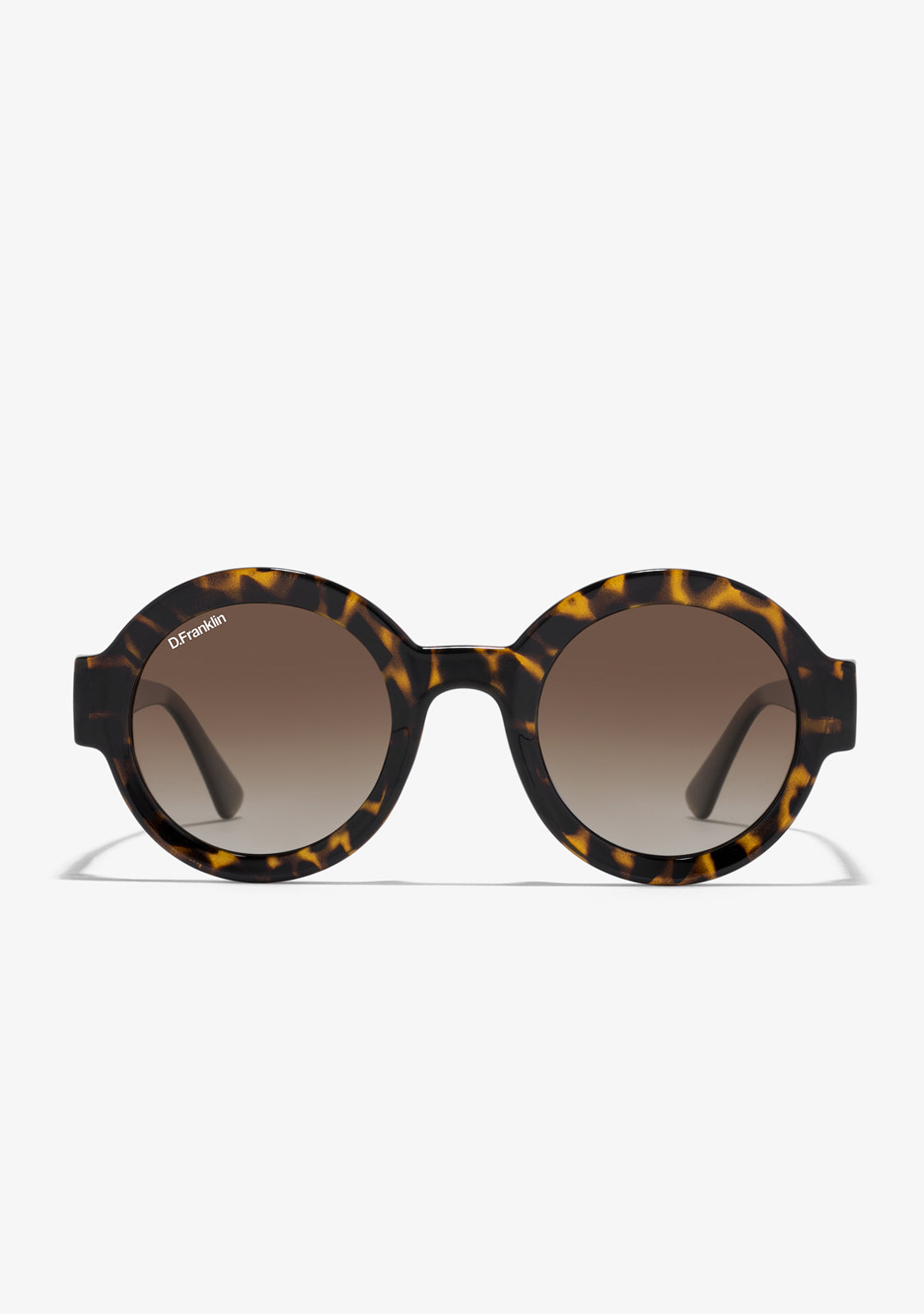
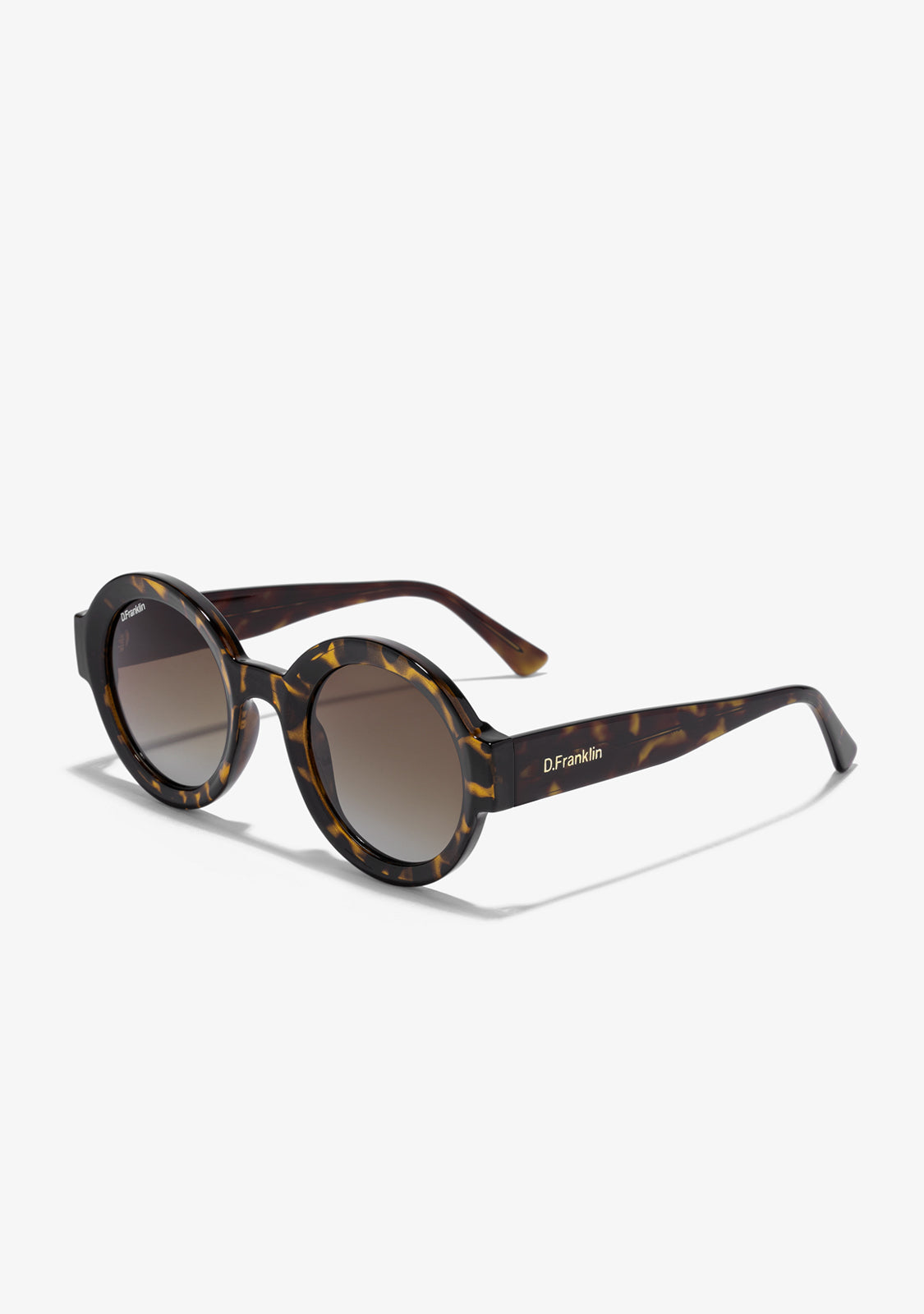

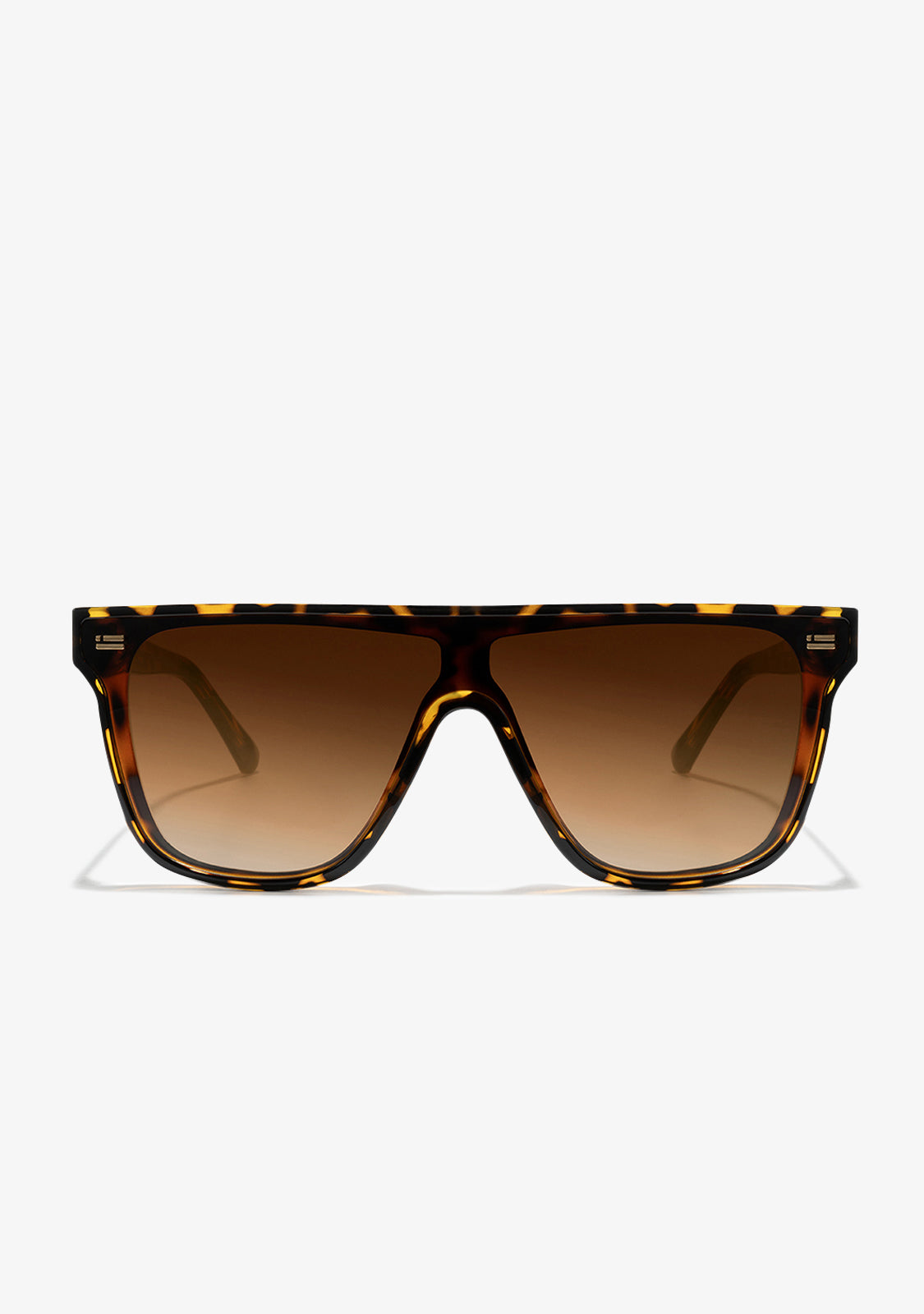
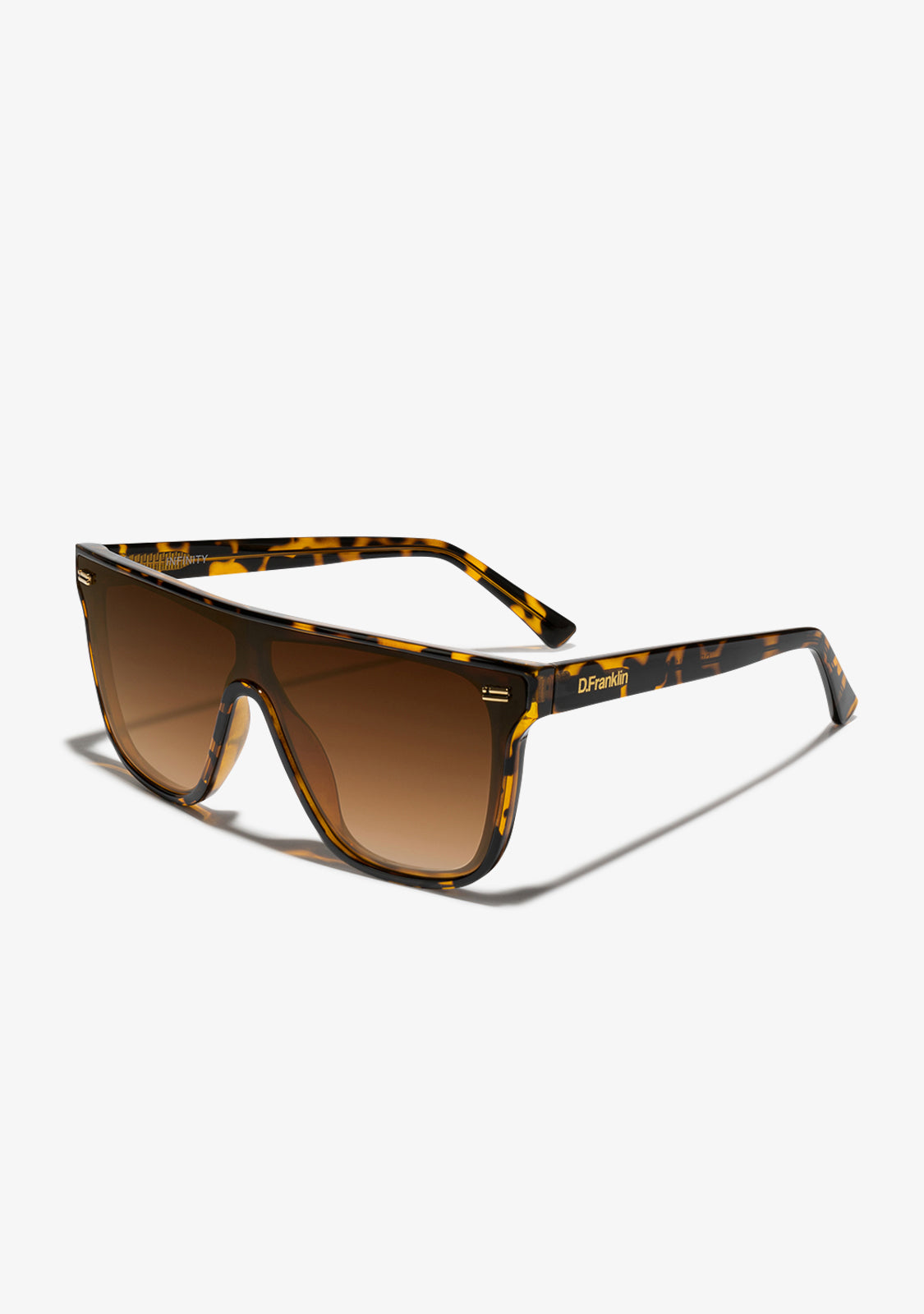

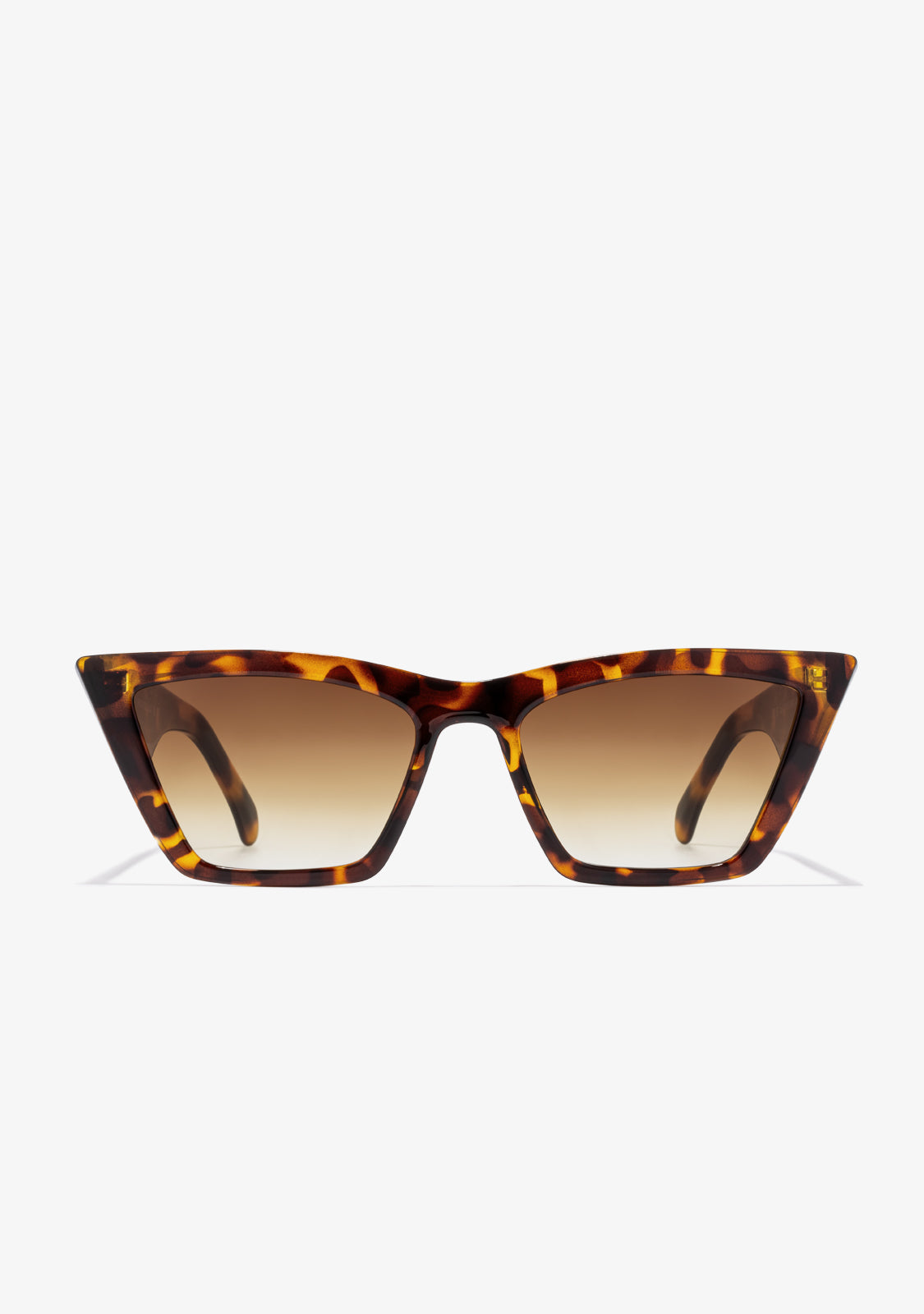
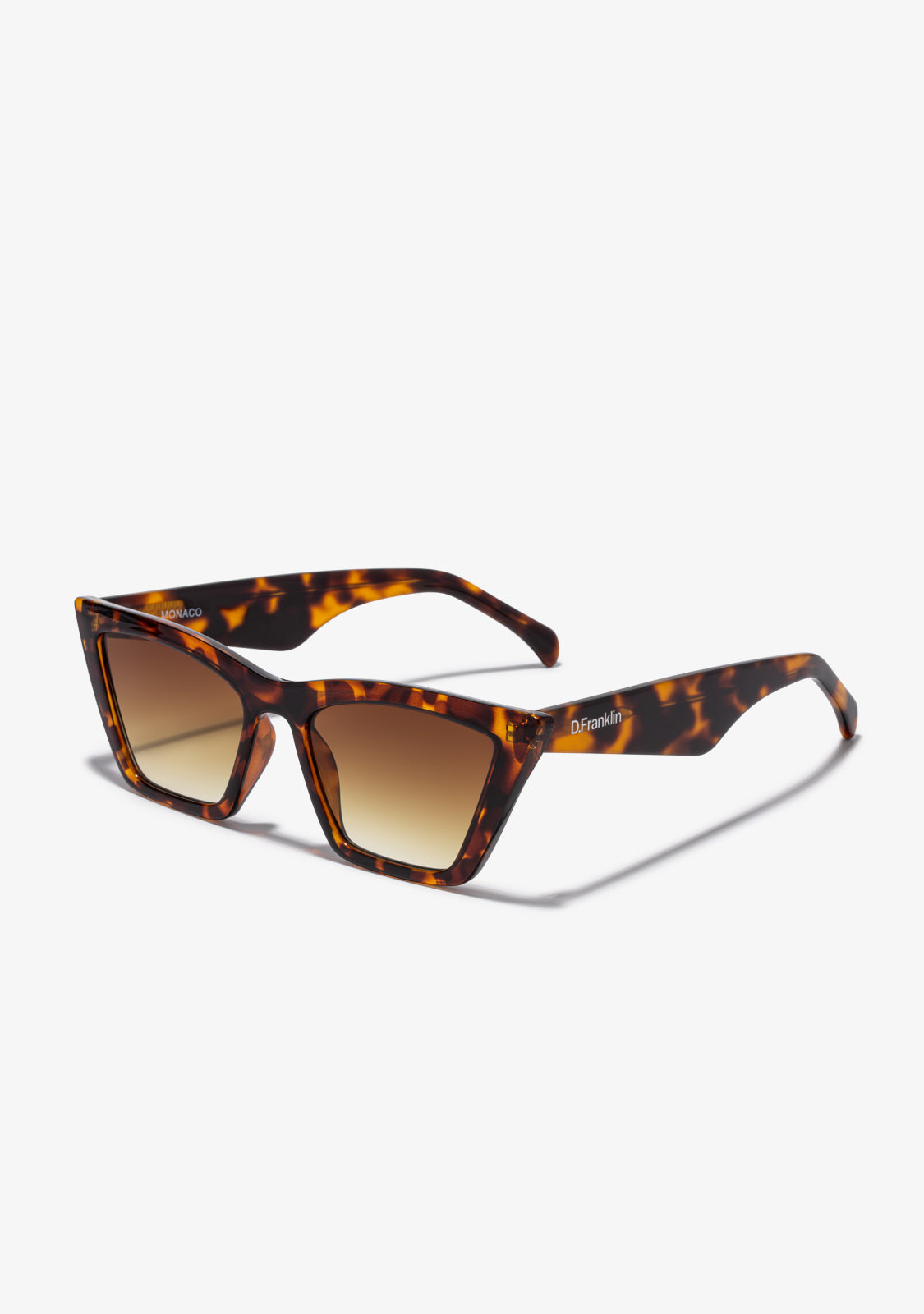


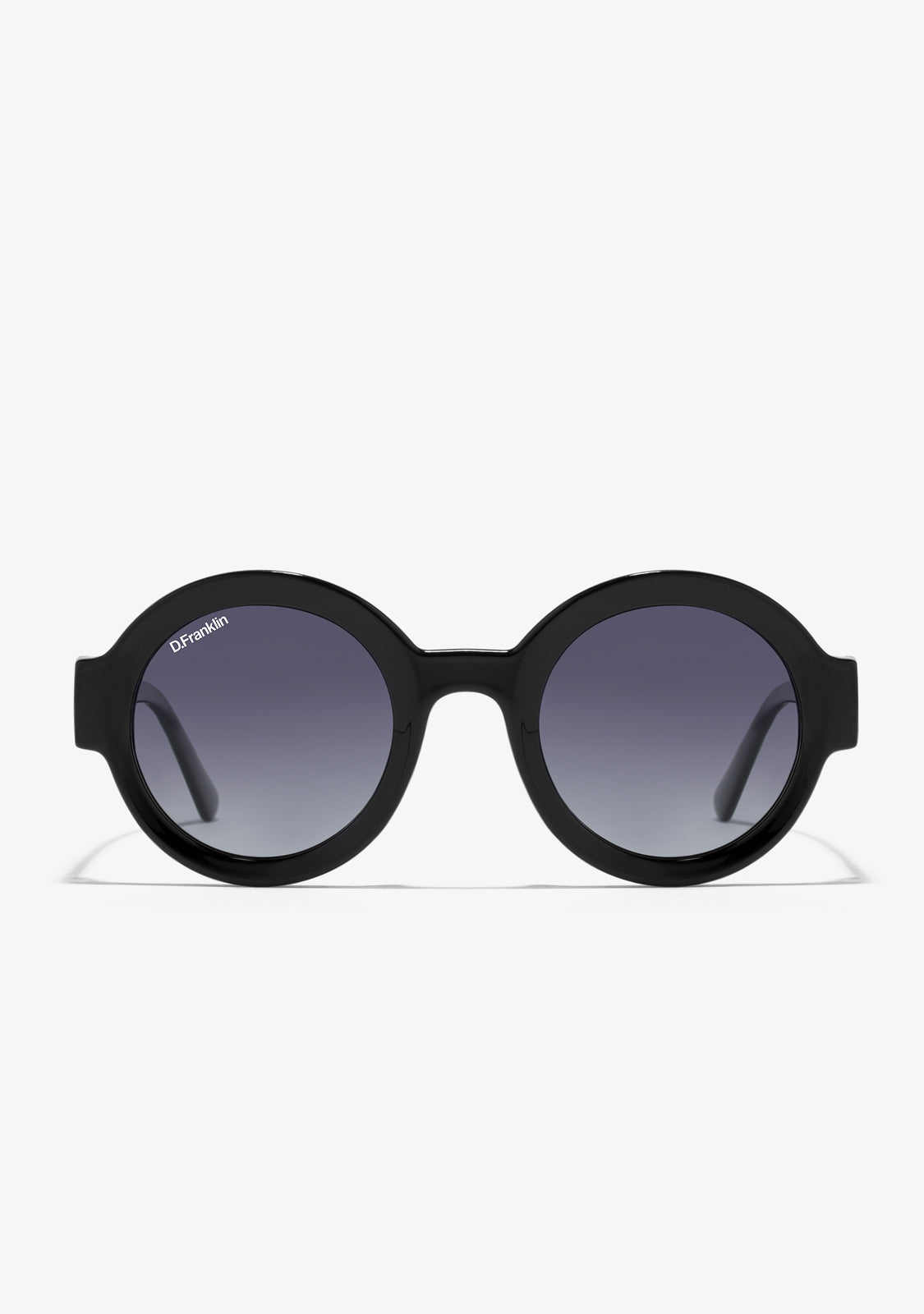
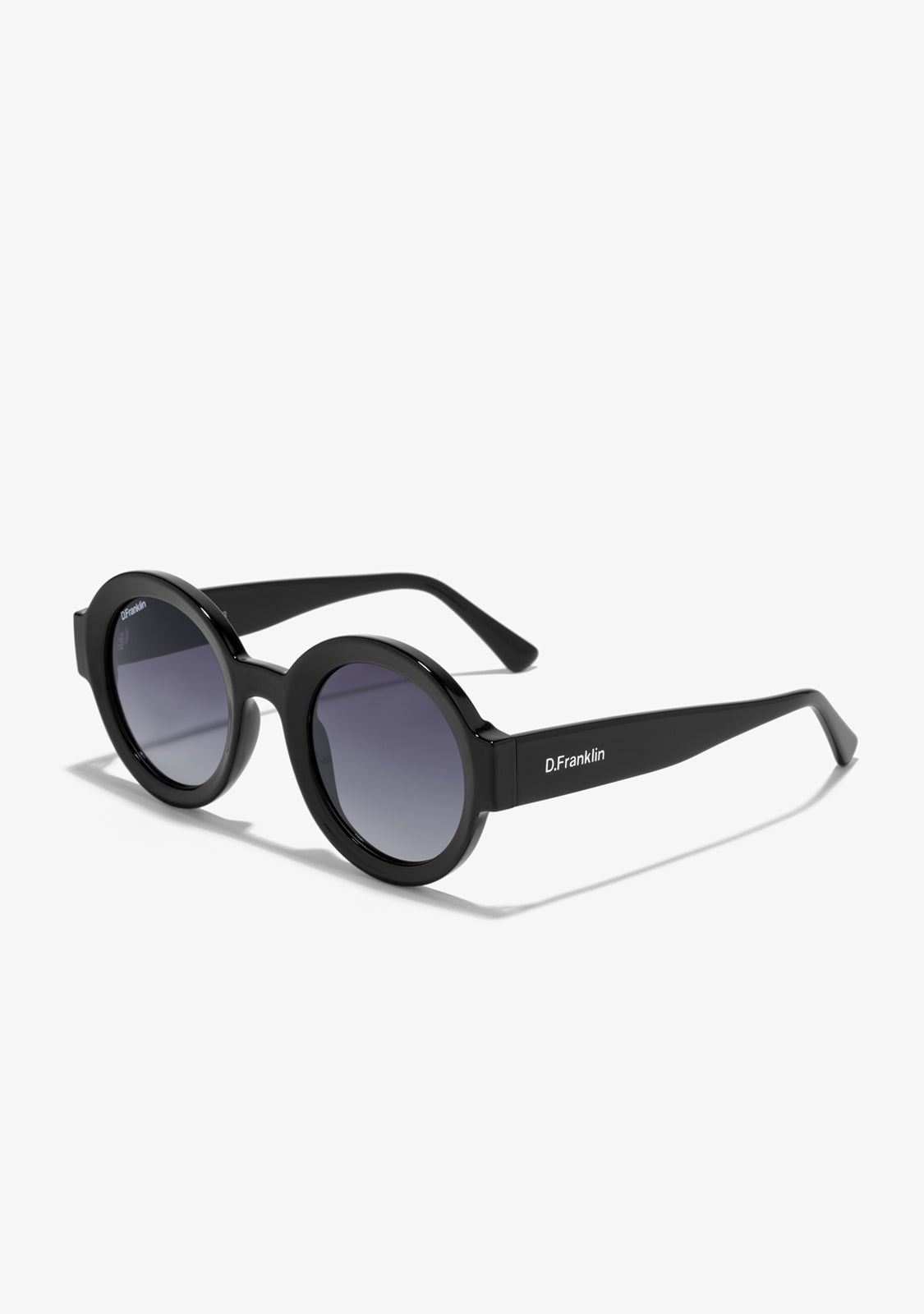

Gradient Sunglasses
D.Franklin gradient sunglasses feature a transition of tint within the lens. The effect varies with colour, gradient intensity and frame shape.
Gradient describes the distribution of tint, not lens material. Check composition and filter category alongside the dimensions needed for a stable fit.
Gradient, mirror and photochromic features
A gradient does not imply that colour changes with light. Photochromic technology is separate, and a mirror is an outer finish; compare mirrored sunglasses to distinguish their appearance.
Compare where the colour transition starts and ends and how much of the lens it covers. Subtle and pronounced gradients can look different in the same frame shape. Lens height also changes the visible area of the finish: a narrow silhouette does not display its proportions in the same way as a larger front.
Choosing lens tone and frame
A gentle transition looks different from a marked contrast. Brown sunglasses let you explore warm tones; also compare frame colour, which need not match the lenses.
Assess the whole combination against your usual clothing. A dark frame can strongly outline a lens with a lighter lower area; a transparent front may let the transition stand out more. These effects help you choose a style, but they do not replace checking the filter or establish a particular benefit for screens or driving.
What to check before choosing
- Front width, bridge size and temple length.
- Stable contact without pressure on your nose or temples.
- Stated lens type, filter category and UV protection.
- Frame and lens colours considered separately.
Fit and care
Check the fit while tilting your head and smiling: the frame should not keep slipping or touch your cheeks. Remove particles before cleaning, use a clean microfibre cloth and follow the finish's care instructions. Store your glasses in their case away from direct heat. For a broader comparison, explore grey sunglasses.
Frequently asked questions
Is the gradient identical in every colour of a frame?
Do not assume so. Compare each variant's images and description: tint, intensity and stated lens features may change. Sharing a frame shape does not confirm that the filter is identical.
Does the lighter area have no UV protection?
Clarity does not tell you the protection level. Check the declared UV protection and filter category, separately from the visual effect.
Are all gradient lenses made of glass?
No. The term describes the finish, not material. Read the specific composition rather than assuming mineral glass.
Can I use them for driving?
Check the filter category and the design's usage instructions. A gradient does not by itself confirm suitability for driving or low-light conditions.
Do darker lenses provide more UV protection?
Tint and ultraviolet protection are different properties. Check the stated protection and filter category; colour alone confirms neither.
Which measurements should I compare with my current glasses?
Compare front width, bridge and temple length. Do not confuse the width of one lens with the width of the entire frame; use glasses that stay stable as a reference.
How do I clean lenses without damaging the finish?
Follow the design's instructions, remove dust first and use a clean microfibre cloth. Avoid rubbing with clothing or paper and do not use cleaners without confirmed compatibility.
You may also like
Sunglasses